BOULDER · WATER DAMAGE · UPDATED NOV 2026
Boulder water damage restoration, picked for you in one call.
Tell us the problem and your neighborhood. We recommend one licensed local water damage pro who does that job and connect you on the same call.
Free · No forms · Open 24/7
What's going on?
Tap the closest match. We'll connect you with the right local plumber.
How do you find a reliable water damage restoration company in Boulder?
Hire a contractor with IICRC certification and general liability insurance. Boulder has the highest risk of flash flooding in Colorado due to its location at the mouth of numerous canyons. Experience with canyon runoff, creek overflow, and spring snowmelt groundwater intrusion matters. Confirm they will pull the Boulder County emergency repair permit when the job requires one.
Plumbing services in Boulder
- 01
Emergency leaks & burst pipes
Fast response for active leaks, burst pipes and shutoff help.
- 02
Drains & sewer
Clogged drains, sewer backups, hydro-jetting and camera inspections.
- 03
Water heaters
Repair, replacement and heat pump water heater installs.
- 04
Repipes & remodels
Whole-home repipes in copper and PEX, plus remodel rough-in.
- 05
Fixtures & gas
Faucets, toilets, gas line work and permit-required installs.
- 06
Diagnostics & camera inspection
Sewer camera, leak detection and acoustic locating before any repair.
By the numbers
- HighestBoulder's flash flood risk rank in Colorado.City of Boulder
- 17.15 inchesRain that fell Sept 9 to 16, 2013, shattering the annual average.University of Colorado
- 4,000Homes damaged in the 2013 Boulder flood.Water Damage Defense
- 1,426Boulder properties in FEMA Special Flood Hazard Areas.First Street Foundation
Need a water damage pro in Boulder? One call. One licensed local.
Homeowners: we match you to a vetted local water damage contractor, free.
Homeowner guide · Updated November 11, 2026
Boulder homeowner guide
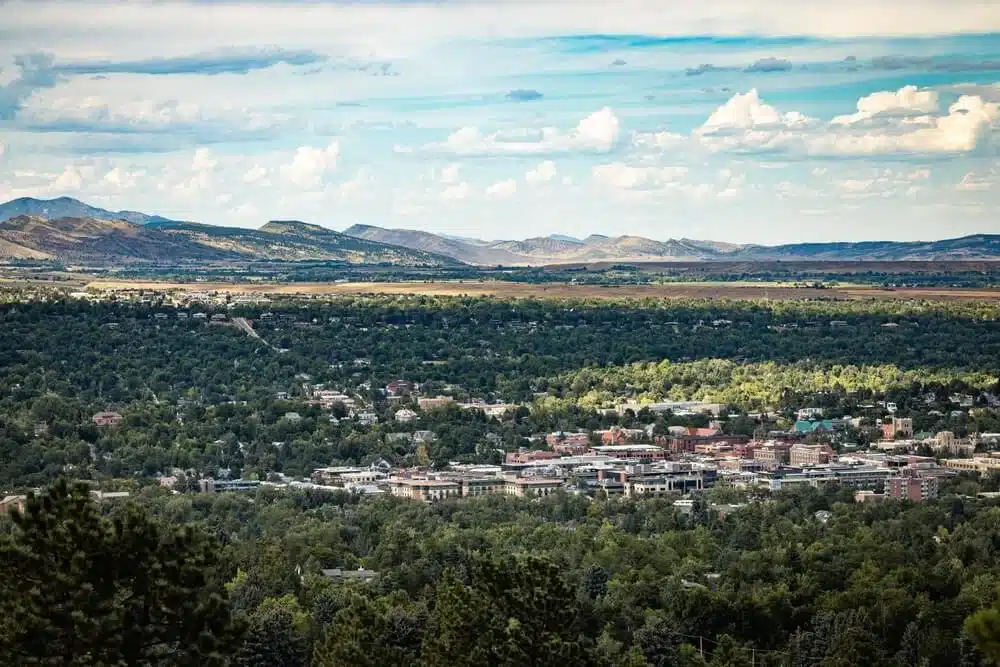
Boulder has the highest risk of flash flooding in the state of Colorado due to its location at the mouth of numerous canyons. Boulder Creek flows right through downtown, and canyon runoff during summer monsoon storms can overwhelm the city's stormwater system. In September 2013, 17.15 inches of rain fell in one week, damaging 4,000 homes and causing $300 million in private property damage. Homeowners across the state face similar risks from spring snowmelt and aging infrastructure.
Canyon flash floods and Boulder Creek overflow
Boulder's natural terrain and location at the mouth of numerous canyons creates a constant flood risk for the city. Boulder Creek flows right through downtown and overflows during summer monsoon storms and canyon flash floods. The city has a municipal separate storm sewer system permit for stormwater that flows through the city stormwater system and is not treated before entering the creek. When canyon runoff exceeds the system's capacity, water backs up into streets and homes. Watch for standing water in your yard after heavy rain, water stains on basement walls, and musty odors. A licensed water damage pro can extract water, dry affected areas, and recommend foundation grading or sump pump installation to prevent future intrusion.
Spring snowmelt and groundwater intrusion
Spring snowmelt pushes groundwater into basements near the foothills. The City of Boulder does not manage groundwater or have infrastructure to manage groundwater, so managing groundwater is the responsibility of property owners. When the water table rises close to or above the level of a home's foundation, groundwater can place increased pressure on basement walls and floors and potentially find its way inside. Spring thaw is the primary mold risk period in Boulder, when melting attic frost and snowmelt around foundations introduce water into structures. If you see water seeping through basement walls or floors in March through May, a licensed restoration contractor can dry the space and recommend exterior drainage solutions. When mold appears after water intrusion, a Boulder mold specialist can test and clean up affected areas.
Frozen pipes and freeze-thaw cycles
Frozen pipes burst during Boulder's dramatic winter freeze-thaw cycles. When temperatures drop below freezing overnight and rise during the day, water inside uninsulated pipes expands and contracts, stressing joints and fittings. Watch for reduced water pressure, hissing sounds in walls, and ceiling stains. A licensed Boulder plumber can thaw frozen pipes and replace burst sections. After a pipe bursts, a water damage restoration contractor can extract standing water, dry framing and insulation, and remove damaged drywall. Homeowners, call now and we will match you to a licensed local pro.
Boulder County emergency repair permits
Where equipment replacements and repairs must be performed in an emergency situation, the permit application shall be submitted within the next working business day to the building official. Boulder County's Flood Recovery, Restoration and Repair Permit covers flood repairs and restoration of flood-damaged buildings to pre-flood configuration, including replacement of drywall, insulation, doors, windows, siding, roof recovering, furnaces, boilers, water heaters, electrical wiring, gas piping, and plumbing. Your restoration contractor should pull the permit when the job requires one. If a roof leak caused the water damage, a Boulder roofing contractor can repair or replace damaged sections. If an air conditioning condensate leak caused ceiling damage, a Boulder hvac technician can clear the drain line and restore proper drainage.
Serving Boulder neighborhoods
We dispatch licensed plumbers across these Boulder neighborhoods:
- University Hill
- Mapleton Hill
- Whittier
- Newlands
- North Boulder
- South Boulder
- Table Mesa
- Martin Acres
- Gunbarrel
- Niwot
- Wonderland Lake
- Chautauqua
- Glenwood Grove
- Melody Heights
- Frasier Meadows
- Palo Park
- Tantra Park
- East Boulder
- Shanahan Ridge
- Bear Creek
Frequently asked questions
-
Does it cost anything to call?
No. The call is free and we are paid by the water damage restoration company you are connected to, not by you. -
How do you choose which water damage restoration company to recommend?
We check that IICRC certification is active, that general liability insurance is on file, and that the contractor handles your specific job and neighborhood. For Boulder we prefer contractors with flash flood experience, familiarity with canyon runoff and creek overflow, and knowledge of spring snowmelt groundwater intrusion common near the foothills. Boulder has the highest risk of flash flooding in Colorado, so experience with rapid-response extraction and drying matters. -
Do water damage restoration contractors in Boulder need a license?
Colorado does not require a state license for water damage restoration work, but reputable contractors carry IICRC certification and general liability insurance. IICRC certification ensures the contractor has met industry standards for water extraction, structural drying, and mold prevention. Always confirm insurance is on file before work begins. -
Do I need a permit for water damage restoration work in Boulder?
Yes, when the work involves structural repairs. Boulder County's Flood Recovery, Restoration and Repair Permit covers replacement of drywall, insulation, doors, windows, siding, roof recovering, furnaces, boilers, water heaters, electrical wiring, gas piping, and plumbing. Where equipment replacements and repairs must be performed in an emergency situation, the permit application shall be submitted within the next working business day to the building official. Your restoration contractor should pull the permit when the job requires one. -
What are the most common causes of water damage in Boulder homes?
Boulder Creek overflow during summer monsoon storms and canyon flash floods, frozen pipes bursting during winter freeze-thaw cycles, and spring snowmelt pushing groundwater into basements near the foothills. In September 2013, 17.15 inches of rain fell in one week, damaging 4,000 homes. The city's location at the mouth of numerous canyons creates a constant flood risk. Watch for standing water in your yard, water stains on basement walls, and musty odors after heavy rain or spring thaw. -
How long does water damage restoration take in Boulder?
Extraction and initial drying take one to three days for most residential jobs. Structural drying can take three to seven days depending on the extent of water intrusion, the materials affected, and indoor humidity levels. Boulder's semi-arid climate with low humidity levels and over 300 days of sunshine a year helps speed drying, but spring thaw and summer monsoon storms can introduce persistent moisture. Your restoration contractor will monitor moisture levels with meters and adjust drying equipment until framing and subfloors reach safe levels. -
Will my number be sold to a bunch of contractors?
No. We connect you with one licensed water damage restoration contractor on the same call. Your number is not sold to a list of contractors. We match you to a contractor who handles your specific job and neighborhood, then connect you directly.
Sources
- City of Boulder, flash flood risk
- City of Boulder Resilience Strategy, canyon topology
- University of Colorado, 2013 flood rainfall
- Water Damage Defense, 2013 flood homes damaged
- First Street Foundation, FEMA flood zones
- City of Boulder, groundwater management
- Boulder County, emergency repair permits
- ServiceMaster Restore, local water damage causes
Need a Boulder water damage now?
One call. One licensed local pro. Free to you.