CORAL SPRINGS · WATER DAMAGE · UPDATED NOV 2026
Coral Springs water damage restoration, picked for you in one call.
Tell us what happened and your neighborhood. We recommend one licensed local water damage pro who handles that job and connect you on the same call.
Free · No forms · Open 24/7
What's going on?
Tap the closest match. We'll connect you with the right local plumber.
How fast should you call for water damage help in Coral Springs?
Call within hours. In South Florida's humid climate, mold can begin growing within 24 to 48 hours after water exposure. Coral Springs receives 58.92 inches of annual precipitation, and August alone brings 9.1 inches over 26 rainy days. Hire an IICRC-certified contractor with general liability insurance and experience with CBS stucco construction. Prices checked November 2026.
Plumbing services in Coral Springs
- 01
Emergency leaks & burst pipes
Fast response for active leaks, burst pipes and shutoff help.
- 02
Drains & sewer
Clogged drains, sewer backups, hydro-jetting and camera inspections.
- 03
Water heaters
Repair, replacement and heat pump water heater installs.
- 04
Repipes & remodels
Whole-home repipes in copper and PEX, plus remodel rough-in.
- 05
Fixtures & gas
Faucets, toilets, gas line work and permit-required installs.
- 06
Diagnostics & camera inspection
Sewer camera, leak detection and acoustic locating before any repair.
By the numbers
- 24 to 48 hoursTime before mold begins growing after water exposure in South Florida.MycoTest
- 58.92 inchesAnnual precipitation in Coral Springs.Time and Date
- 19.3%Coral Springs properties at risk of flooding over 30 years.First Street Foundation
- 1987Median year Coral Springs homes were built.Dry Bridge Restoration
Need a water damage pro in Coral Springs? One call. One licensed local.
Homeowners: we match you to a vetted local water damage contractor, free.
Homeowner guide · Updated November 10, 2026
Coral Springs homeowner guide
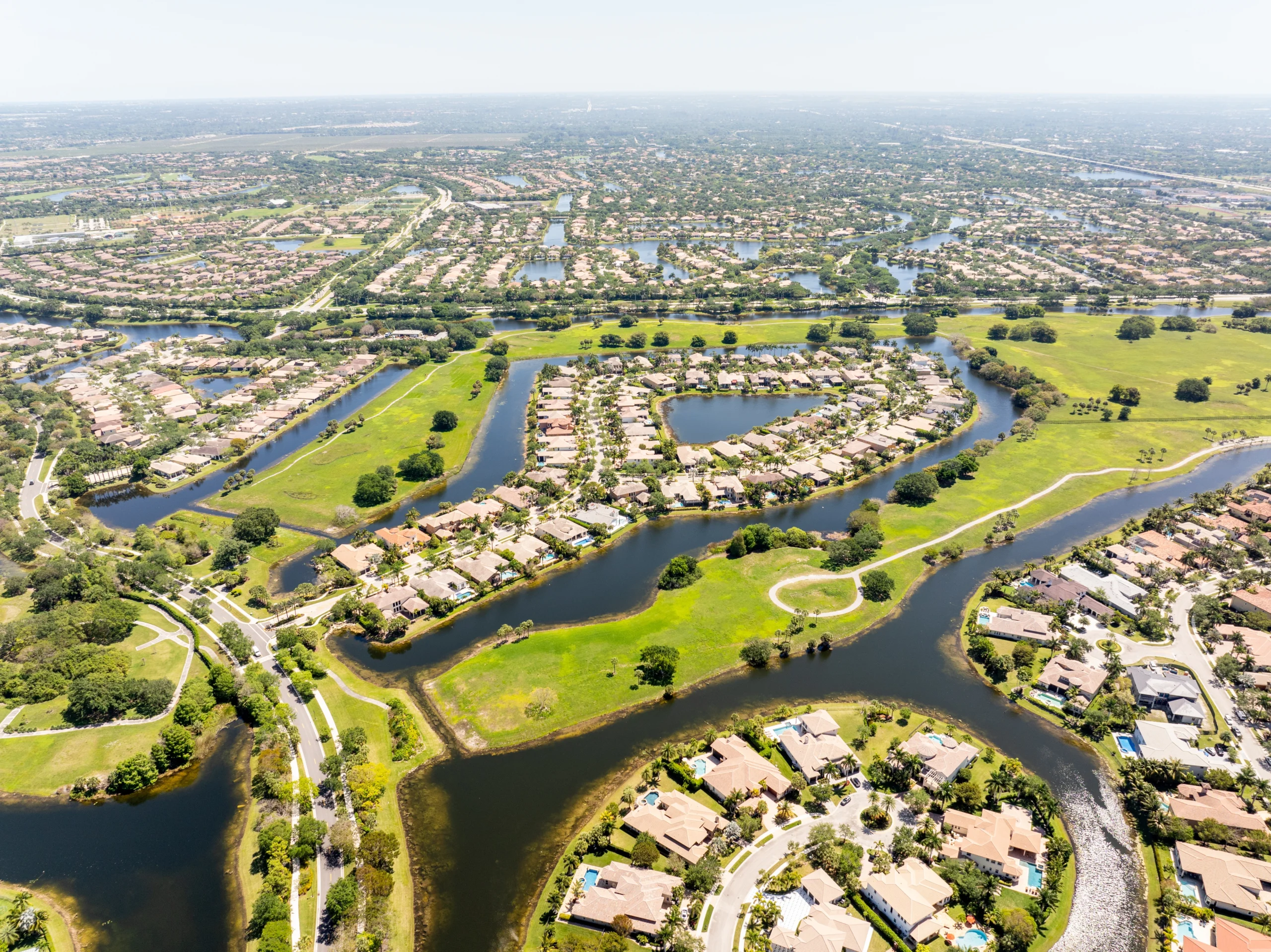
Coral Springs sits inland in Broward County, where the primary flood risk comes from the interconnected canal and lake system rather than coastal storm surge. The city receives 58.92 inches of annual precipitation, with August alone bringing 9.1 inches over 26 rainy days. Since 2000, Broward County has been included in 13 major FEMA disaster declarations for floods, storms, or hurricanes, most recently Hurricane Milton in 2024. Homeowners across the state face similar hurricane and flood risks, but Coral Springs' canal-adjacent lots and CBS stucco construction create specific challenges for water damage restoration.
Canal flooding and the groundwater table
Unlike coastal Broward cities where storm surge dominates, Coral Springs' primary flood risk comes from its interconnected canal and lake system. The city has 1,461 properties in Special Flood Hazard Areas out of 31,932 total properties. The average groundwater depth in inland Broward County is 3 to 6 feet below surface, with seasonal fluctuation and limited soil storage capacity. When heavy rain overwhelms the canal system, water backs up into yards and crawl spaces. Most Coral Springs homes sit on slabs or crawl spaces, so water that gets past the door reaches flooring and drywall immediately. If a canal overflow causes flooding, a licensed water damage pro can extract standing water, dry structural cavities, and restore affected areas. If flooding leads to mold growth, a Coral Springs mold specialist can clean up contaminated materials.
CBS stucco construction and capillary action
Water damage in Coral Springs CBS stucco homes involves water migrating through porous concrete block via capillary action, saturating areas far beyond the visible entry point. A licensed contractor will use thermal imaging to map moisture migration inside block walls, then remove saturated drywall and dry the block cavities with air movers and dehumidifiers. If a roof leak caused the water intrusion, a Coral Springs roofing contractor can repair or replace damaged shingles and flashing. Homeowners, call now and we will match you to a licensed local pro.
Mold growth timeline in South Florida humidity
In South Florida's humid climate, mold can begin growing within 24 to 48 hours after water exposure. South Florida's warm, humid subtropical climate creates ideal conditions for mold growth, classifying the region as high mold risk. A licensed water damage contractor will extract standing water, remove wet materials, and dry structural cavities within 24 hours to prevent mold colonization. If mold has already started growing, the contractor will contain the affected area and remove contaminated drywall, insulation, and flooring before drying and disinfecting the space.
Hurricane season and permit requirements
Coral Springs' hurricane season runs from June 1 through November 30. Average maximum wind speeds in Coral Springs are higher now than they were 30 years ago, and 100% of homes in Coral Springs have at least some hurricane risk. After a hurricane, roof replacements, structural repairs, electrical service restoration, HVAC equipment replacement, and window or door replacement require permits from the City of Coral Springs Building Department. Your contractor should pull the permit when the job requires one. If an air conditioning condensate leak caused water damage, a Coral Springs hvac contractor can repair or replace the unit. If a burst pipe caused flooding, a Coral Springs plumbing contractor can repair the supply line and restore water service.
Serving Coral Springs neighborhoods
We dispatch licensed plumbers across these Coral Springs neighborhoods:
- Coral Springs
- Heron Bay
- Eagle Trace
- Cypress Glen
- Turtle Run
- Wyndham Lakes
- Ramblewood
- Woodside
- Country Club Acres
- Forest Hills
- Whispering Woods
- Cypress Pointe
- Westchester
- Coral Ridge
- Riverside
- Parkside
- Oakwood
- Sawgrass
- Lakeview
- Woodmont
Frequently asked questions
-
Does it cost anything to call?
No. The call is free and we are paid by the water damage company you are connected to, not by you. -
How do you choose which water damage contractor to recommend?
We check that the contractor holds an active Florida license, that general liability insurance is on file, and that they handle your specific job and neighborhood. For CBS stucco homes we prefer contractors with experience mapping moisture migration through porous concrete block and drying block cavities with thermal imaging and dehumidifiers. The median Coral Springs home was built in 1987, so experience with slab and crawl space construction matters. Multiple IICRC-certified water damage restoration contractors operate in Coral Springs, and we match you to one who handles your specific situation. -
How fast can mold start growing after water damage in Coral Springs?
In South Florida's humid climate, mold can begin growing within 24 to 48 hours after water exposure. South Florida's warm, humid subtropical climate creates ideal conditions for mold growth, classifying the region as high mold risk. A licensed water damage contractor will extract standing water, remove wet materials, and dry structural cavities within 24 hours to prevent mold colonization. Coral Springs receives 58.92 inches of annual precipitation, with August alone bringing 9.1 inches over 26 rainy days, so humidity stays high year-round. -
Do I need a permit for water damage repairs in Coral Springs?
Yes, for certain repairs. The City of Coral Springs Building Department requires permits for roof replacements, structural repairs to walls or trusses, electrical service restoration, HVAC equipment replacement, and window or door replacement that is not like-for-like. Your contractor should pull the permit when the job requires one. Minor repairs like drywall patching and flooring replacement typically do not require a permit, but confirm with your contractor before starting work. -
What causes flooding in Coral Springs if it is not on the coast?
Coral Springs' primary flood risk comes from its interconnected canal and lake system rather than coastal storm surge. The city has 1,461 properties in Special Flood Hazard Areas out of 31,932 total properties. The average groundwater depth in inland Broward County is 3 to 6 feet below surface, with seasonal fluctuation and limited soil storage capacity. When heavy rain overwhelms the canal system, water backs up into yards and crawl spaces. Since 2000, Broward County has been included in 13 major FEMA disaster declarations for floods, storms, or hurricanes, most recently Hurricane Milton in 2024. -
What is CBS stucco construction and why does it matter for water damage?
CBS stands for concrete block and stucco, the dominant construction method for Coral Springs homes built since the 1980s. Water damage in CBS stucco homes involves water migrating through porous concrete block via capillary action, saturating areas far beyond the visible entry point. A licensed contractor will use thermal imaging to map moisture migration inside block walls, then remove saturated drywall and dry the block cavities with air movers and dehumidifiers. The median Coral Springs home was built in 1987, so most homes in the city use CBS construction. -
Will my number be sold to a bunch of contractors?
No. We connect you with one licensed water damage contractor on the same call. Your number is not sold to a list of contractors. We match you to a contractor who handles your specific job and neighborhood, then connect you directly.
Sources
- First Street Foundation, Coral Springs flood risk
- Time and Date, Coral Springs climate
- Weather and Climate, Coral Springs precipitation
- MycoTest, South Florida mold growth timeline
- Dry Bridge Restoration, Coral Springs flood damage
- Palm Build Restoration, Coral Springs water restoration
- City of Coral Springs, hurricane recovery permitting guide
- First Street Foundation, Coral Springs wind risk
Need a Coral Springs water damage now?
One call. One licensed local pro. Free to you.