CEDAR RAPIDS · WATER DAMAGE · UPDATED NOV 2026
Cedar Rapids water damage restoration, picked for you in one call.
Tell us what happened and your neighborhood. We recommend one licensed local restoration company who handles that job and connect you on the same call.
Free · No forms · Open 24/7
What's going on?
Tap the closest match. We'll connect you with the right local plumber.
How do you find a reliable water damage company in Cedar Rapids?
Hire a company with IICRC certification and general liability insurance. Cedar Rapids sits on the Cedar River, which crested at 31.12 feet in 2008, 11 feet above the previous record. Experience with riverine flooding, mold prevention in humid summers, and the city's 2024 International Residential Code matters. Confirm they will pull a Building Services Department permit when structural work is required.
Plumbing services in Cedar Rapids
- 01
Emergency leaks & burst pipes
Fast response for active leaks, burst pipes and shutoff help.
- 02
Drains & sewer
Clogged drains, sewer backups, hydro-jetting and camera inspections.
- 03
Water heaters
Repair, replacement and heat pump water heater installs.
- 04
Repipes & remodels
Whole-home repipes in copper and PEX, plus remodel rough-in.
- 05
Fixtures & gas
Faucets, toilets, gas line work and permit-required installs.
- 06
Diagnostics & camera inspection
Sewer camera, leak detection and acoustic locating before any repair.
By the numbers
- 31.12 feetCedar River record crest, June 13, 2008.City of Cedar Rapids
- 5,390Houses impacted by the 2008 flood.City of Cedar Rapids
- 10%Linn County area in FEMA high-risk flood zones.FloodZoneMap.org
- 5.7 inchesAverage June precipitation, the wettest month.Extreme Weather Watch
Need a water damage pro in Cedar Rapids? One call. One licensed local.
Homeowners: we match you to a vetted local water damage contractor, free.
Homeowner guide · Updated November 10, 2026
Cedar Rapids homeowner guide
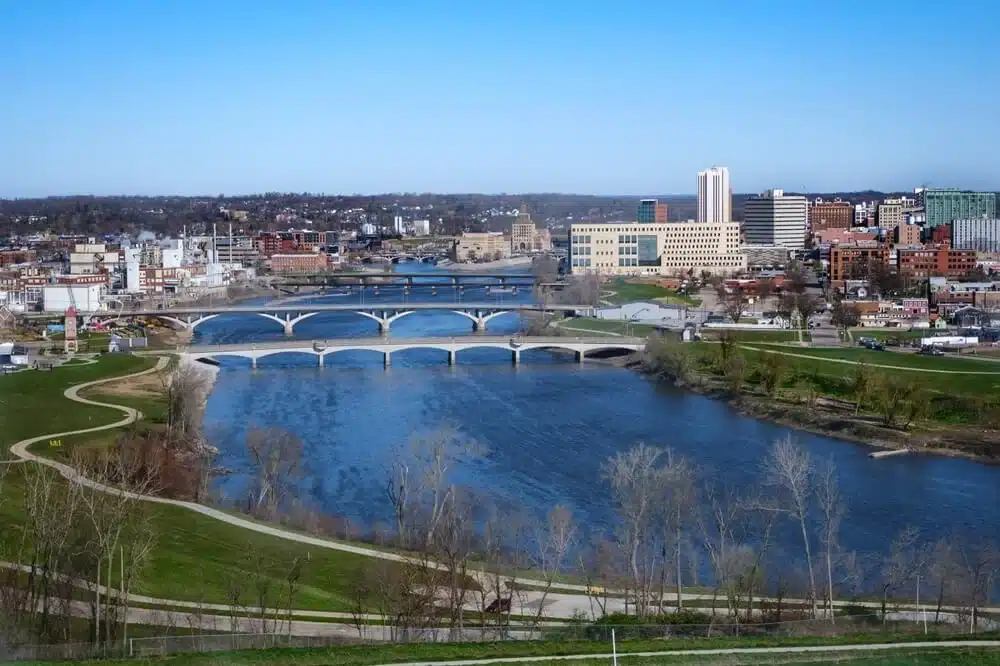
Cedar Rapids is located on the Cedar River, which crested at 31.12 feet on June 13, 2008, 11 feet above its previous record. The flood impacted 5,390 houses, dislocated more than 18,000 residents, and caused $5.4 billion in losses. Ten percent of Linn County sits in FEMA high-risk flood zones. June brings the heaviest rain, averaging 5.7 inches, and summer humidity regularly exceeds 70 percent, creating ideal conditions for mold growth within 24 to 48 hours of water intrusion. A licensed water damage restoration company can dry your home and prevent secondary damage.
Cedar River flood risk and the 2008 event
On June 13, 2008, the Cedar River crested at 31.12 feet, the highest level in Cedar Rapids history. Flood waters penetrated 10 square miles, 14 percent of the city, and impacted 7,198 parcels including 5,390 houses. More than 18,000 residents were dislocated and 310 city facilities were damaged. Total losses reached $5.4 billion, making it Iowa's largest natural disaster. The city has since invested in a $750 million flood control system with flood walls, levees, and gates. More than $260 million has been secured to date. If you live near the river or in a FEMA high-risk zone, a licensed restoration company can assess your property and recommend mitigation steps. Homeowners, call now and we will match you to a licensed local pro.
Mold growth in Cedar Rapids summers
Summer humidity regularly exceeds 70 percent relative humidity in Cedar Rapids. Microbial growth begins between 24 and 48 hours under normal conditions, and faster in Iowa's humid summer months. Mold growth risk is elevated June through August. Many older homes in Czech Village and Time Check neighborhoods were not designed with the vapor barriers and exhaust ventilation that modern construction includes. A licensed restoration company will dry the structure within 48 hours, remove wet materials, and monitor moisture levels to prevent mold. If mold is already present, a Cedar Rapids mold remediation specialist can test, contain, and remove it.
Building permits for structural repairs
The City of Cedar Rapids has adopted the 2024 International Building Code and 2024 International Residential Code. Contractors need to obtain permits through the Building Services Department for significant roof or siding repairs, structural work, or substantial interior construction. Your restoration company should pull the permit when the job requires one. Permit requirements protect you by ensuring the work meets code and is inspected. If a roof leak caused the water damage, a Cedar Rapids roofing contractor can repair or replace the damaged section after the structure is dried.
IICRC certification and industry standards
IICRC certification means the technician has been trained in industry best practices for water damage repair and restoration. Certified companies follow protocols for water extraction, drying, dehumidification, and moisture monitoring. They use thermal imaging and moisture meters to confirm the structure is dry before closing walls. Ask to see the IICRC certificate and confirm the company carries general liability insurance. If a burst pipe caused the flooding, a Cedar Rapids plumbing contractor can repair the line after the water is extracted.
Serving Cedar Rapids neighborhoods
We dispatch licensed plumbers across these Cedar Rapids neighborhoods:
- Czech Village
- Time Check
- NewBo
- Wellington Heights
- Kenwood Park
- Bowman Woods
- Oak Hill Jackson
- Mound View
- Rompot
- Noelridge Park
- Hiawatha
- Marion
- Robins
- Ely
- Fairfax
- Bertram
- Palo
- Walford
- Swisher
- Shueyville
Frequently asked questions
-
Does it cost anything to call?
No. The call is free and we are paid by the restoration company you are connected to, not by you. -
How do you choose which company to recommend?
We check that IICRC certification is current, that general liability insurance is on file, and that the company handles your specific job and neighborhood. For Cedar Rapids we prefer companies with experience in riverine flooding, mold prevention in humid summers, and familiarity with the 2024 International Residential Code. The 2008 Cedar River flood impacted 5,390 houses, so experience with large-scale water events matters here. -
Do water damage companies in Cedar Rapids need a license?
Iowa does not require a state contractor license for water damage restoration work. However, IICRC certification is the industry standard and demonstrates the technician has been trained in water extraction, drying, dehumidification, and mold prevention. Confirm the company carries general liability insurance. If structural repairs are needed, the contractor must pull a permit through the Cedar Rapids Building Services Department. -
How fast does mold grow after water damage in Cedar Rapids?
Microbial growth begins between 24 and 48 hours under normal conditions, and faster in Iowa's humid summer months. Summer humidity in Cedar Rapids regularly exceeds 70 percent relative humidity, creating ideal conditions for mold. Mold growth risk is elevated June through August. A licensed restoration company will dry the structure within 48 hours, remove wet materials, and monitor moisture levels to prevent mold from taking hold. -
What areas of Cedar Rapids are at highest flood risk?
Ten percent of Linn County is in FEMA high-risk flood zones, and another 2 percent in shaded X zones, mostly the 0.2 percent floodplain and areas behind levees. The Cedar River crested at 31.12 feet in 2008, flooding 10 square miles and impacting 5,390 houses. Neighborhoods near the river, including Czech Village, Time Check, and NewBo, saw significant damage. The city has invested in a $750 million flood control system to reduce future risk. -
Do I need a permit for water damage repairs in Cedar Rapids?
The City of Cedar Rapids requires permits for significant roof or siding repairs, structural work, or substantial interior construction. Your restoration company should pull the permit through the Building Services Department when the job requires one. The city has adopted the 2024 International Building Code and 2024 International Residential Code. Permit requirements ensure the work meets code and is inspected. -
Will my number be sold to a bunch of contractors?
No. We connect you with one licensed restoration company on the same call. Your number is not sold to a list of contractors. We match you to a company who handles your specific job and neighborhood, then connect you directly.
Need a Cedar Rapids water damage now?
One call. One licensed local pro. Free to you.