CHARLESTON · WATER DAMAGE · UPDATED NOV 2026
Charleston water damage restoration, picked for you in one call.
Tell us what happened and your neighborhood. We recommend one licensed local water damage pro who handles that job and connect you on the same call.
Free · No forms · Open 24/7
What's going on?
Tap the closest match. We'll connect you with the right local plumber.
How do you find a reliable water damage restoration company in Charleston?
Hire a contractor with IICRC S500 certification for water damage restoration and general liability insurance. Charleston has experienced 13 floods greater than the 1% annual chance flood, so experience with flood cleanup, hillside runoff, and basement seepage matters. Confirm they will pull the City of Charleston building permit when repairs require one.
Plumbing services in Charleston
- 01
Emergency leaks & burst pipes
Fast response for active leaks, burst pipes and shutoff help.
- 02
Drains & sewer
Clogged drains, sewer backups, hydro-jetting and camera inspections.
- 03
Water heaters
Repair, replacement and heat pump water heater installs.
- 04
Repipes & remodels
Whole-home repipes in copper and PEX, plus remodel rough-in.
- 05
Fixtures & gas
Faucets, toilets, gas line work and permit-required installs.
- 06
Diagnostics & camera inspection
Sewer camera, leak detection and acoustic locating before any repair.
By the numbers
- 13Floods above the 1% annual chance level Charleston has seen.City of Charleston Floodplain Management
- 46.2 inchesAnnual precipitation Charleston receives.Current Results
- 36 hoursTime mold can develop after water damage without professional drying.Water Restoration Crew USA
- 70 to 72%Mean relative humidity range in West Virginia.Mold Scanner
Need a water damage pro in Charleston? One call. One licensed local.
Homeowners: we match you to a vetted local water damage contractor, free.
Homeowner guide · Updated November 10, 2026
Charleston homeowner guide
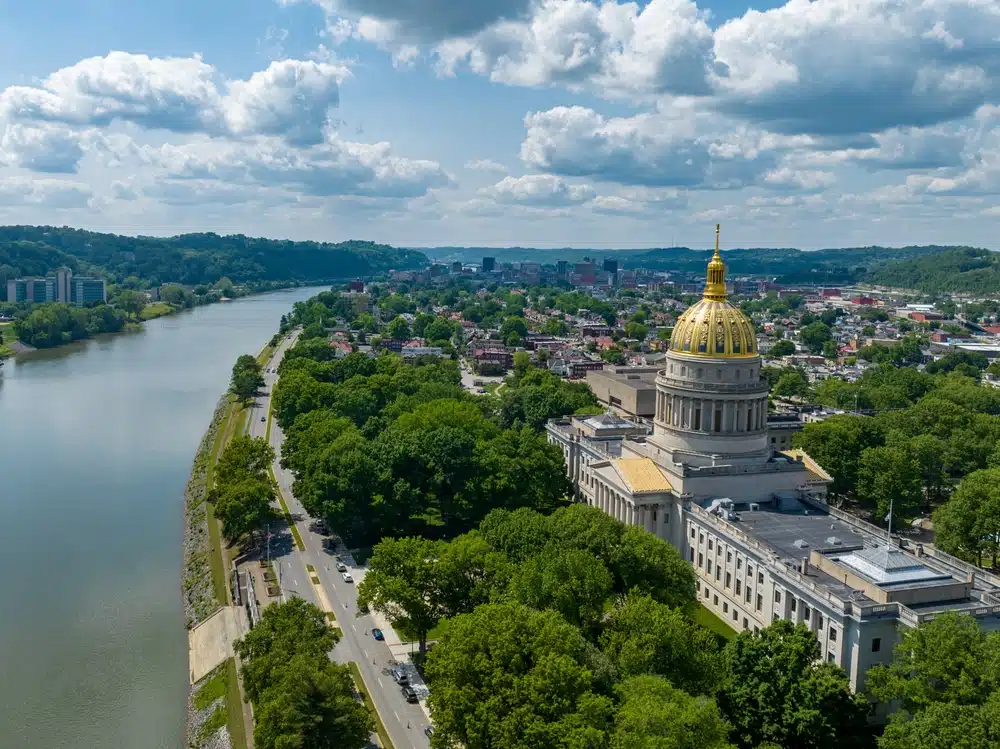
Charleston has experienced 13 floods greater than the 1% annual chance flood, with the city's proximity to the Kanawha River and smaller tributaries creating major flood risk. Hillside terrain, 46.2 inches of annual precipitation, and 70 to 72% mean relative humidity combine to create persistent water damage and mold problems. Many homeowners across the region face similar challenges, and licensed water damage pros handle these conditions daily.
Kanawha River flood risk and FEMA zones
Charleston properties are assigned to FEMA flood zones including AE, high risk with a 1% annual chance of flooding, VE, very high risk coastal flooding with wave action, and X zones, moderate to low risk. Properties in zones A and V with federally backed mortgages are required to carry flood insurance. The Kanawha River crested at flood stage, 30 feet, on November 19 to 20, 2003, for the first time since 1955, completely submerging Magic Island. If you see water rising or a flood warning is issued, move valuables to upper floors and call a licensed water damage pro as soon as it is safe. Homeowners, call now and we will match you to a licensed local pro.
Hillside runoff and basement seepage
On hillside lots, the uphill side of the house acts like a dam. Water collects against the foundation, soaks the soil, and finds its way through block walls, the joint between the wall and floor, and window wells. In the Kanawha Valley, hillside runoff, past flooding, and humid summers make basement mold one of the most common problems homeowners encounter. Watch for ceiling stains, damp carpet, musty odors, and water pooling near the foundation. A licensed water damage pro can extract standing water, dry the structure with commercial dehumidifiers, and recommend grading or drainage improvements. If mold has already colonized basement walls or HVAC vents, a certified remediation specialist can remove it safely.
Mold development and humidity
Charleston's June humidity averages 75 to 81%, the precise conditions mold needs to colonize bathroom grout, HVAC vents, and shaded window frames within 48 hours of inactivity. Mold can develop within 36 hours of a water event in Charleston without professional drying. IICRC-certified contractors follow the S500 Standard for Water Damage Restoration and the S520 Standard for Mold Remediation to ensure every project meets industry standards for extraction, drying, and restoration. If you see black spots on drywall, smell a musty odor, or notice peeling paint after a leak, call a licensed pro immediately.
City of Charleston building permits
Repairs, remodeling, and renovation work in Charleston require a Residential Building Permit and must comply with construction plans, site plans, and floodway or flood plain designations. Any activity that disturbs or impacts a land area greater than 5,000 cumulative square feet or increases impervious area by 1,000 square feet or greater requires a Building Permit with Land Disturbance Activity Approval. Your contractor should pull the permit when the job requires one. Charleston has adopted the 2015 International Building Code and 2015 International Residential Code as its building standards.
Emergency resources and damage reporting
The American Red Cross of the Central Appalachia Region provides emergency assistance, shelter, food, and disaster relief for Charleston residents affected by flooding. If you need support, call 1-800-RED-CROSS, 1-800-733-2767. Residents who experienced property damage due to flooding can report damage to the Kanawha County Planning and Development office at 304-357-0570 or complete the West Virginia Emergency Management Division Weather Damage Survey. If a burst pipe or roof leak causes flooding, a licensed water damage pro can extract water, dry the structure, and document the damage for your insurance claim.
Serving Charleston neighborhoods
We dispatch licensed plumbers across these Charleston neighborhoods:
- East End
- South Hills
- West Side
- Kanawha City
- North Charleston
- Loudendale
- Edgewood
- Spring Hill
- Ruffner
- Elk City
- Campbells Creek
- Malden
- Rand
- Davis Creek
- Big Chimney
- Sissonville
- Institute
- Dunbar
- South Charleston
- St. Albans
Frequently asked questions
-
Does it cost anything to call?
No. The call is free and we are paid by the water damage restoration company you are connected to, not by you. -
How do you choose which water damage company to recommend?
We check that the contractor holds IICRC S500 certification for water damage restoration, that general liability insurance is on file, and that the company handles your specific job and neighborhood. For Charleston we prefer contractors with experience handling Kanawha River flood cleanup, hillside runoff, and basement seepage common in the Kanawha Valley. Charleston has experienced 13 floods greater than the 1% annual chance flood, so experience with flood damage matters. -
Do I need a permit for water damage repairs in Charleston?
Yes. Repairs, remodeling, and renovation work in Charleston require a Residential Building Permit and must comply with construction plans, site plans, and floodway or flood plain designations. Any activity that disturbs or impacts a land area greater than 5,000 cumulative square feet or increases impervious area by 1,000 square feet or greater requires a Building Permit with Land Disturbance Activity Approval. Your contractor should pull the permit when the job requires one. -
How fast can mold develop after water damage in Charleston?
Mold can develop within 36 hours of a water event in Charleston without professional drying. Charleston's June humidity averages 75 to 81%, the precise conditions mold needs to colonize bathroom grout, HVAC vents, and shaded window frames within 48 hours of inactivity. IICRC-certified contractors follow the S500 Standard for Water Damage Restoration and the S520 Standard for Mold Remediation to ensure every project meets industry standards for extraction, drying, and restoration. -
What are the FEMA flood zones in Charleston?
FEMA assigns flood zone designations to areas in Charleston. AE is high risk with a 1% annual chance of flooding. VE is very high risk coastal flooding with wave action. X shaded is moderate risk, the 500-year floodplain. X is low risk, outside major floodplains. Properties in zones A and V with federally backed mortgages are required to carry flood insurance. The Kanawha River crested at flood stage, 30 feet, on November 19 to 20, 2003, for the first time since 1955. -
What should I do if I see water rising in my Charleston home?
If you see water rising or a flood warning is issued, move valuables to upper floors and call a licensed water damage pro as soon as it is safe. The American Red Cross of the Central Appalachia Region provides emergency assistance, shelter, food, and disaster relief for Charleston residents affected by flooding. If you need support, call 1-800-RED-CROSS, 1-800-733-2767. Residents who experienced property damage due to flooding can report damage to the Kanawha County Planning and Development office at 304-357-0570. -
Will my number be sold to a bunch of contractors?
No. We connect you with one licensed water damage restoration company on the same call. Your number is not sold to a list of contractors. We match you to a company that handles your specific job and neighborhood, then connect you directly.
Sources
- City of Charleston Floodplain Management
- Kanawha Restoration, causes of water damage
- US Climate Data, Charleston
- Current Results, average annual precipitation
- Flood Zone Map, Charleston
- West Virginia Public Broadcasting, 1861 flood
- WCHSTV Weather Blog, 1961 flood
- Storm Highway, 2003 flood
- Mold Scanner, mold by state
- MaidPure, Charleston summer mildew defense
- Kanawha Restoration, basement mold removal
- Water Restoration Crew USA, Charleston
- City of Charleston, adopted codes
- City of Charleston, residential building permit
- 1-800 WATER DAMAGE, IICRC certification
- WV Navigate, American Red Cross
- Herald-Dispatch, damage reporting
Need a Charleston water damage now?
One call. One licensed local pro. Free to you.