Insulating the top of your home is one of the highest return upgrades when you are battling heat, cold, and rising energy bills. Exterior-foam roof insulation creates a continuous thermal barrier above the deck, reducing air leaks, stopping condensation, and protecting the roof assembly from temperature swings. The challenge is that foam chemistry, roof conditions, and local code approvals make this a project where do-it-yourself shortcuts can void warranties and cause moisture problems. Licensed roofing contractors follow tested specifications so your investment actually performs and lasts.
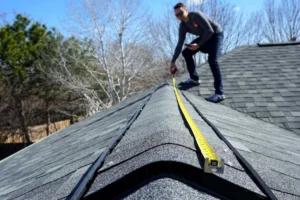
Professionals start by inspecting the substrate, fixing wet areas, and confirming fastener patterns or adhesion profiles that foam requires. They verify fire ratings, wind uplift resistance, and drainage so the system passes inspection and qualifies for manufacturer warranties. This minimizes callbacks, damage risk, and energy waste from an underperforming install. Schedule an evaluation with vetted roofing specialists to get a clear scope, firm pricing, and a safe, code-compliant install.
What Is Exterior Foam Roof Insulation?
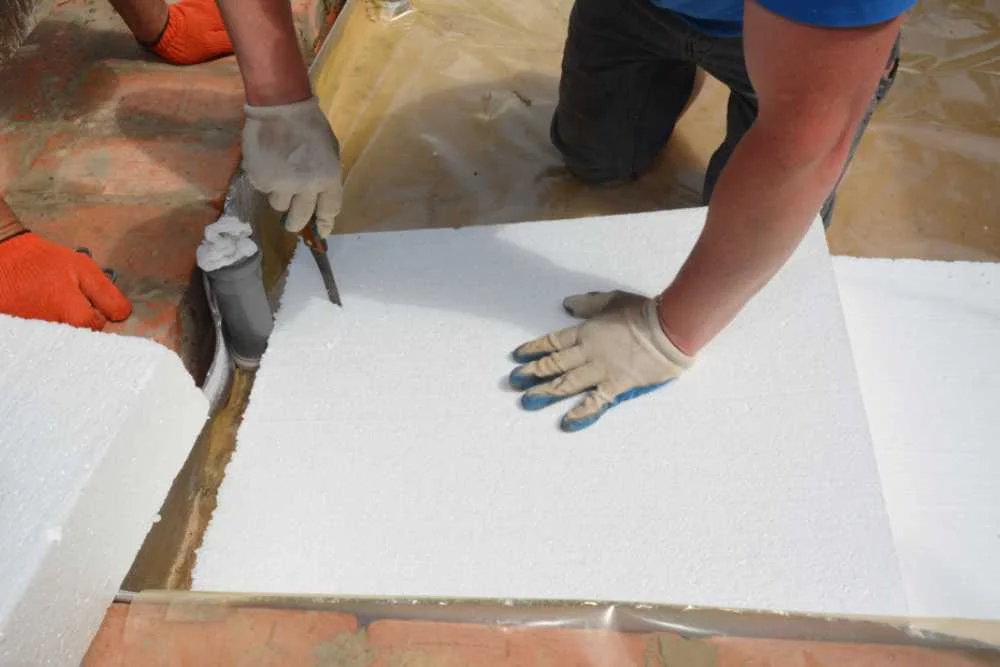
Exterior foam roof insulation is a layer of rigid or spray-applied foam installed on the roof exterior to increase R-value and control moisture. Exterior-foam roof insulation moves the thermal boundary above the deck, keeping the roof assembly warmer and drier. By relocating insulation, the system helps prevent condensation and mold in the attic or cavity below. Rigid polyiso boards are commonly fastened or adhered and then covered with a membrane, while spray polyurethane foam is applied as a monolithic layer and sealed with protective coatings.
The assembly reduces thermal bridging through rafters or purlins and improves comfort in every season. When designed correctly, it also improves wind resistance and extends roof service life.
Professional contractors begin with core cuts or infrared scanning to locate wet areas that must be removed before foam goes down. They verify substrate condition, restore drainage, and set mechanical fastening or adhesive schedules based on wind zones and manufacturer specifications. A vetted marketplace such as American Home Quotes makes it simple to connect with roofers who specialize in this work and can show licenses, insurance, and manufacturer training. After assessing your roof, the team explains whether your home is better suited to rigid board, spray polyurethane, or a hybrid approach.
They then produce a written scope detailing flashing upgrades, vapor control, and warranty terms so there are no surprises. To explore compatible systems and timelines, you can review the full range of roofing services at roofing services options to compare what fits your budget and roof type.
What Types of Exterior Foam Insulation Are Used on Roofs?
Foam systems on roofs generally fall into two groups: rigid foam boards and spray polyurethane foam applied directly to the roof surface. Rigid boards, most often polyisocyanurate, are laid in one or more layers with staggered seams to minimize thermal bridging. Contractors fasten or adhere the boards per wind zone calculations and then install a membrane such as TPO, PVC, or modified bitumen over the top. Spray polyurethane foam, by contrast, is applied as a seamless layer that expands to fill minor irregularities and can improve drainage with tapered profiles.
Both approaches can achieve high R-values, but the right choice depends on your existing roof, climate, and warranty goals. Here are the most common choices a licensed roofer may recommend and why they are used:
- Polyiso boards: high R-value per inch, widely code-approved.
- Expanded polystyrene (EPS): cost-effective, good for tapered systems.
- Extruded polystyrene (XPS): moisture-resistant, used in inverted assemblies.
- Spray polyurethane foam (SPF): seamless air and water barrier, strong adhesion.
- Tapered foam packages: improve drainage on low-slope roofs.
- Cover boards: added above foam to enhance impact and fire performance.
Choosing among these options is not only about R-value; it is about compatibility with the roof deck, flashing details, and maintenance plan. SPF requires a protective elastomeric topcoat to block UV, and many rigid board assemblies benefit from a cover board to resist hail and foot traffic. Experienced installers will match fasteners, adhesives, and edge metal to the foam type so the roof meets wind uplift and fire ratings. To protect SPF and extend service life, contractors often apply reflective coatings; you can learn how this step fits into a system by reviewing professional roof coating services and their maintenance intervals.
American Home Quotes connects homeowners with vetted roofers who can explain trade-offs in plain language and show sample sections before work begins. This clarity helps you select the right combination for your roof without paying for features you do not need.
What Factors Affect the Cost of Exterior Foam Roof Insulation?
Pricing varies widely because every roof has different conditions, code requirements, and warranty targets. The biggest driver is thickness, since higher R-values require more material and labor. Existing roof tear-off, deck repairs, and wet insulation removal can add to the cost but are essential for a durable result. Access, building height, and the need for safety staging or night work also influence labor hours. Weather windows matter too, because cold or wet conditions may require slower processes or temporary protection. Expect estimates to break out key line items like the following:
- Tear-off and disposal
- Substrate repair and leveling
- Insulation type and thickness
- Fasteners or adhesives
- Membrane or coating system
- Flashing and edge metal
- Warranty and inspection fees
- Permit and engineering costs
Exterior-foam roof insulation may qualify for energy rebates or tax credits in some areas, which can offset the upfront cost. Reliable contractors will document R-value, product data sheets, and photos so you can claim incentives if available. A transparent bid should specify brands, thickness by layer, fastening patterns, and the exact warranty term in years. If you want to sharpen pricing without sacrificing scope, it helps to negotiate with a general contractor using comparable, well-defined proposals.
A vetted matching service like American Home Quotes saves time by introducing multiple licensed roofers who agree to on-site evaluations and written quotes. This allows an apples-to-apples comparison and reduces the chance of costly change orders later.
What Questions to Ask Before Installing Exterior Foam Roof Insulation
Asking the right questions early keeps your project on schedule and protects your warranty. Confirm that the contractor holds the appropriate roofing license for your jurisdiction and carries general liability and workers’ compensation insurance. Request manufacturer credentials for the specific foam and membrane systems being installed, since many warranties require certified applicators. Ask how ponding water will be addressed and whether tapered insulation or crickets are included to improve drainage.
Discuss how vapor control will be handled to prevent trapped moisture, especially in mixed or cold climates. Verify that fire ratings, wind uplift approvals, and edge metal designs meet the building code and your insurer’s requirements.
It is also wise to ask about job sequencing, daily cleanup, and how the crew will protect landscaping and interior spaces. Request a detailed scope showing fastener density, adhesive coverage rates, and thickness by layer, so you know exactly what is being built. Clarify maintenance expectations, including how often coatings must be renewed on SPF and who performs warranty inspections. When comparing bids from multiple roofers, use a checklist to ensure each proposal matches the same R-value, membrane type, and warranty length, and consider this resource on how to choose the right general contractor to manage the work.
American Home Quotes prescreens local contractors, verifies insurance, and invites only qualified roofers to provide written estimates. That vetting gives you a safer shortlist and reduces the risk of delays, shortcuts, and warranty disputes.
Frequently Asked Questions About Foam Roof Insulation Installation
Here are direct answers to common homeowner questions, based on installation, pricing, warranties, and hiring considerations:
-
How long does a typical exterior foam project take?
Small residential roofs often take two to five days, depending on weather and repairs. Larger or complex roofs with tear-off and tapering may take one to two weeks.
-
What warranties are available for foam-insulated roofs?
Manufacturer warranties commonly range from 10 to 30 years when installed by certified contractors. The term depends on system type, coating schedule, and verified thickness.
-
What price range should homeowners expect?
Costs vary by region, thickness, and tear-off needs, but many projects fall between mid and high four figures for small roofs and into five figures for larger homes. Solid scopes and comparable bids help ensure you are paying the right price.
-
Will my existing roof need to be removed?
Wet or damaged materials must be removed so the new system adheres and performs correctly. Many codes allow overlays if the deck is sound, moisture-free, and layer limits are respected.
-
Is spray foam better than rigid boards?
Spray polyurethane foam is seamless and great for complex roofs, while rigid boards excel under membranes and in staged retrofits. The best option depends on your roof condition, drainage needs, and warranty goals.
-
Do I need permits or inspections for this work?
Most jurisdictions require permits, and some mandate insulation inspections or photos for compliance. Licensed contractors handle permits, inspections, and documentation to avoid delays.
Key takeaways on Exterior-Foam Roof Insulation
Keep these practical points in mind when planning your project:
- Proper exterior foam design controls heat flow, stops condensation, and extends roof life.
- System choice depends on deck condition, climate, desired R-value, and warranty requirements.
- Detailed scopes with brand, thickness, fastening, and warranty terms prevent change orders.
- Energy incentives may reduce upfront costs when documentation and inspections are completed.
- vetted, licensed contractors safeguard workmanship, safety, and code compliance from day one.
- If the roof is beyond repair, consider reroofing services for a complete reset with long-term value.
Quality installation starts with a thorough inspection, a clear plan, and a crew trained on the specific foam and membrane system. With the right partner and a transparent scope, you can improve comfort, lower energy bills, and protect your home for decades.
For fast, trustworthy help, call 1-877-299-0515 or reach out to American Home Quotes. The team matches you with pre-screened roofing professionals who are licensed, insured, and experienced with exterior foam systems. You get multiple quotes, clear options, and support from the first call to final inspection.