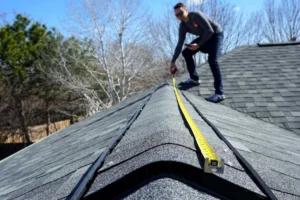
Choosing the right vinyl siding contractors can make the difference between a crisp, weather-tight exterior and years of costly repairs. Improper installation leads to warping, leaks, trapped moisture, and voided warranties. Professionals bring the training, tools, and manufacturer alignment needed to do it right the first time. A qualified crew will evaluate your home, recommend the right products, and install to spec for lasting performance.
Look for licensed, insured pros who perform full prep, flashing, and ventilation details, not quick cover-ups. Ask about warranties, scheduling, and clean up. With vetted experts, you avoid rework and get consistent workmanship backed by documentation. Schedule a walk-through and estimate to lock in scope, price, and a reliable start date.
What Credentials and Experience Should a Vinyl Siding Contractor Have?
Credentials separate dependable installers from risky bids. A competent contractor holds required state or local licensing, carries active general liability and workers’ compensation, and can show manufacturer certifications for the brands they install. Experience should include multi-story projects, challenging trim details, and code-compliant flashing practices. Confirm the following items upfront:
- Active license numbers and issuing authority
- Proof of general liability and workers’ comp
- Manufacturer certification for the selected siding brand
- Recent local references with photos
- Written workmanship and material warranties
- Clear safety plan and site supervision
An established firm will explain crew structure, who is on site daily, and how punch lists are handled. Using a vetted matching platform like American Home Quotes filters for license, insurance, and history before you ever schedule a visit. For extra peace of mind, verify documents through your state database and use this guide on how to check a contractor’s license and insurance. Reputable vinyl siding contractors also document change orders and keep communication in writing.
Ask how they protect landscaping, ladders against gutters, and utilities. Confirm that supervisors inspect housewrap, flashings, and ventilation at each phase, not just at the final walk-through. Insist that code and manufacturer instructions drive decisions, not shortcuts. The right credentials reduce risk, support warranty coverage, and signal a contractor who will stand behind the work.
How Do Contractors Prepare Your Home Before Installing Vinyl Siding?
Preparation determines whether siding stays flat, drains water, and resists wind. A pro starts with a full exterior assessment that checks for rot, missing flashing, failed caulk, and attic ventilation problems. They measure moisture levels, probe trim, and look for wavy sheathing that could telegraph through panels. If repairs are needed, they outline the scope, costs, and timing before any vinyl goes up.
On installation day, the team removes loose materials, repairs substrate, and installs housewrap or rainscreen, properly lapped and taped around windows and doors. Corners, starter strips, and trim blocks go in level and straight so panels lock without strain. Transparent pros provide a prep checklist, daily cleanup plans, and debris disposal details, and this overview of things to know about hiring home improvement contractors helps set expectations. Matching through American Home Quotes saves time by connecting you only with crews that follow these standards.
Proper prep also includes verifying fastener type and length for your sheathing, locating studs, and setting nail depth to allow thermal movement. Flashing tape at sills and heads, J-channels with weep paths, and breathable wraps reduce trapped moisture. Pros protect plants and walkways, mark underground lines, and stage materials to avoid damage. Careful preparation prevents ripples, blow-offs, and costly callbacks years later.

What Are the Key Differences in Vinyl Siding Quality and Grades?
Not all vinyl is created equal. Panels vary in thickness, impact resistance, UV protection, and whether color is through-body or only on the capstock. Higher-grade products resist hail dents, reduce oil-canning, and keep color longer under intense sun. A pro will match product lines to your climate, wind zone, and budget.
Look for ASTM-compliant materials, a robust nailing hem, and reinforced locking edges. Insulated siding can add modest R-value and stiffen walls, but it must be integrated with housewrap details to drain properly. Ask about warranty terms, transferability, and exclusions, and consider these smart questions to ask before hiring a home contractor during the product selection. Pre-screened installers from American Home Quotes explain trade-offs clearly so you avoid paying for features you do not need.
Quality also shows up in accessories. Color-matched trims, expandable J-channels for fiber-cement transitions, and vented soffit systems create a tight, coherent exterior. Premium lines offer realistic woodgrain, deeper shadow lines, and better resistance to fading in dark colors. Selecting the correct grade protects curb appeal and reduces lifetime maintenance.
How Do You Get an Accurate Estimate From a Vinyl Siding Contractor?
Accurate pricing starts with an on-site visit that includes full measurements, photos, and a written scope. Expect the proposal to list tear-off or cover-over, housewrap type, flashing details, trim packages, accessories, and permit fees. It should identify rot repair allowances and unit costs for unforeseen issues. Timelines, payment schedule, and warranty terms belong in the same document.
Written proposals should be apples-to-apples so you can compare bids fairly. You can improve estimate accuracy by preparing information and asking focused questions. Pros appreciate homeowners who gather key details and confirm site logistics, and these are also among the top signs you hired a reliable contractor. When meeting with vinyl siding contractors, use this short checklist to stay organized:
- Recent photos or videos of each exterior wall
- Preferred colors, profiles, and any HOA rules
- Notes on insulation, housewrap, or ventilation needs
- Access plan for driveway, power, and restroom
- Target start date and schedule constraints
- Decision timeline and communication preferences
Request line-item pricing and allowances instead of lump sums. Ask for a scaled sketch or takeoff summary that shows panel counts, trim lengths, and waste factors. Verify that the estimate includes cleanup, hauling, and protection for landscaping and hardscape. Using a vetted marketplace like American Home Quotes speeds up comparisons and reduces the risk of change-order surprises.
Frequently Asked Questions About Hiring Reliable Vinyl Siding Installers
Homeowners often ask these questions before starting a project, and the quick answers help set realistic expectations:
-
How long does a typical siding replacement take?
Most single-family homes take three to seven working days, depending on size and repairs. Weather, trim complexity, and change orders can extend the timeline.
-
Is it better to remove old siding or install over it?
Full tear-off allows inspection of sheathing, flashing, and moisture issues for a cleaner result. Cover-overs may save time, but can hide rot and reduce warranty coverage.
-
What maintenance will vinyl siding need?
Plan on gentle washing once or twice a year with mild soap and soft brushes. Avoid pressure washers close to seams and keep grills or heat sources away from panels.
-
How much should I budget for new siding?
Costs vary by region, product grade, trim package, and required repairs. Accurate bids come from in-person measurements and written scopes rather than ballpark phone quotes.
-
What warranties should I expect?
Manufacturers may offer limited lifetime coverage with specific exclusions and fade ratings. Installers typically provide a separate workmanship warranty that should be in writing.
-
How can I compare contractor bids fairly?
Ask for identical scopes, product lines, accessories, and housewrap types so the numbers match apples to apples. Review timelines, payment schedules, allowances, and cleanup plans side by side.
Key Takeaways on Vinyl Siding Contractors
- Licensing, insurance, and manufacturer certifications are nonnegotiable screening factors.
- Thorough prep, flashing, and ventilation details prevent moisture damage and warping.
- Product grade, UV protection, and locking design drive durability and appearance.
- Written, line-item estimates enable fair comparisons and fewer surprises.
- Vetted matching saves time and reduces the risk of hiring unqualified crews.
- Clear communication, cleanup plans, and documented warranties protect your investment.
If an inspection uncovers structural settlement or unusual wall movement, ask your installer to coordinate and reference guidance on when to call a foundation contractor. Addressing hidden issues before cladding goes up preserves warranties and prevents costly tear-offs later with the right vinyl siding contractors.
Professional installation transforms curb appeal while protecting the building envelope. Balanced choices on product grade, trim, and ventilation provide lasting value without overspending.
Ready to connect with licensed, insured pros who have been pre-screened for quality and reliability? The team at American Home Quotes matches your project with trusted local installers, then helps you compare bids with confidence. Call 1-877-498-2516 to discuss your goals, timeline, and budget. Get quotes quickly so your exterior upgrade can move forward on schedule.
External Sources
- BrokerCalls: Home Service Leads: The Growth Engine for Your Business
- BrokerCalls: Lead Generation for Contractors/Remodelers
- BrokerCalls: 4 Things to Know About Home Service Leads