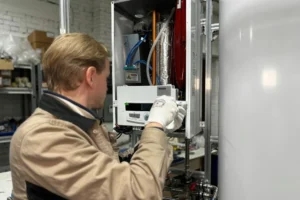
Slow drains, gurgling toilets, and recurring backups are more than an inconvenience; they often signal a deeper blockage that can damage pipes and fixtures. Standing water breeds bacteria and can seep under flooring, turning a small clog into costly repairs. Professional cleaning removes the obstruction completely and verifies the condition of your plumbing so the problem does not return. Timely service protects your home and keeps your family safe around wastewater.
If you are comparing options, experienced drain cleaning contractors can locate the cause fast, use the right tools, and avoid damage that DIY methods often create. They also spot early warning signs in branch lines and the main sewer that a basic snake might miss. Hiring a licensed, insured specialist gives you a clear price, safer results, and proof of work with video or photos. Book a vetted professional to diagnose and clear your lines today so life at home returns to normal.
What Are the Signs That a Drain Problem Requires Professional Cleaning?
Clogs that recur within days of snaking suggest a blockage that was only partially cleared and needs expert attention. Multiple fixtures slowing at once, such as a tub and a toilet, usually indicates a main line restriction rather than a simple hair mass. Gurgling sounds after flushing can signal trapped air from a sewer vent or deeper obstruction.
Persistent sewer odor inside or outside the home points to a buildup or damaged pipe allowing gas to escape. Water pooling around a floor drain or in a basement is an urgent sign that wastewater has nowhere to go. If you notice wet spots in the yard over the lateral line, tree roots could be intruding into the pipe.
Professionals confirm the problem by testing multiple fixtures, checking cleanouts, and assessing drain flow before choosing tools. A small camera inspection identifies the clog type, pipe material, and any cracks or offsets that could explain recurring issues.
Knowing whether roots, scale, grease, or a collapsed section is present prevents guesswork and wasted labor. For broader sewer concerns, review the common red flags described in the guide on signs your home needs sewer pipe repair to understand when cleaning must be paired with repair.
Using a vetted matching platform like American Home Quotes saves time by presenting licensed, insured specialists who are screened for experience and customer satisfaction. That helps you avoid unverified operators who may lack proper equipment and liability coverage.
If a backup is building, take these immediate steps before a pro arrives:
- Shut off water to affected fixtures.
- Stop using chemical drain cleaners.
- Move valuables away from potential overflow areas.
- Document symptoms with photos or video.
- Call a licensed plumber for urgent service.
Each of these steps reduces damage risk and gives the technician a clear starting point.
What Methods Do Professional Drain Cleaning Contractors Use?
Licensed specialists select tools based on pipe material and clog type. Hand or sectional augers break through local obstructions without cutting the pipe. Flex-shaft machines can decalcify and restore the internal diameter in cast iron. Hydro jetting scours grease, sludge, and roots using calibrated water pressure.
Technicians measure line size and set safe PSI to protect joints. They also capture video before and after to document results for you.
Complex blockages often require a camera to locate cracks, offsets, or bellies that trap debris. For a deeper look at what imaging can reveal, review the article on what problems a sewer camera inspection can detect and how findings guide the right remedy. When heavy roots are present, cutters sized to the pipe remove growth without gouging walls. Technicians may pair jetting with root treatment to slow regrowth and protect your line.
Experienced drain cleaning contractors understand when trenchless spot repair or relining is better than repeated cleanings. Using a trusted marketplace such as American Home Quotes connects you with providers who carry proper equipment, maintain insurance, and follow local codes.

How Do Contractors Prevent Future Drain Clogs After a Cleaning Service?
Preventing a repeat clog starts with addressing the cause found during cleaning. If the scale is narrowed cast iron, contractors may descale and smooth the interior to improve flow. When grease is the issue, pros advise disposal changes and may install a cleanout for easier access.
Hair and soap buildup in bathrooms often benefit from screens and periodic P-trap maintenance. In kitchens, a brief flush with hot water after dishwashing helps move remaining fats. Crews also calibrate fixtures so high-efficiency toilets and sinks drain correctly.
Maintenance matters because even a well-cleaned line can reaccumulate debris over time. A realistic schedule reduces surprises and aligns with the warranty terms many companies offer. For guidance on planning, consider the expert recommendations in the resource on how often to schedule residential plumbing maintenance for long-term reliability.
Many providers offer reminders, follow-up video checks, and documented service histories to support home sales or insurance claims. Matching through American Home Quotes ensures access to prescreened providers who explain options clearly and document preventive steps. That transparency helps you budget, understand risks, and maintain a healthier plumbing system.
What Should a Transparent Estimate From Drain Cleaning Contractors Include?
Clear pricing prevents surprises and helps compare proposals apples to apples. A reputable company will outline the diagnostic steps, the cleaning method, and any repair allowances if damage is discovered. Estimates should explain where the cleanout is, how much line will be serviced, and what equipment will be used.
Time windows, disposal practices, and cleanup expectations belong in writing. If urgent conditions exist, the document should list after-hours rates and trip fees so you can decide quickly. Experienced drain cleaning contractors also specify warranty terms in plain language.
Use the estimate to verify safety, legal compliance, and scope. Ask how the crew will protect flooring, whether permits might be required, and how camera footage will be shared. It is helpful to know if roots or heavy scale are likely to require follow-up service. For true emergencies like sewage overflow, review what local standards consider urgent in the article on what qualifies as an emergency plumbing repair to anticipate possible surcharges.
A prescreened marketplace, such as American Home Quotes, simplifies comparing detailed proposals and confirms licensing and insurance before anyone enters your home. The checklist below shows what a transparent quote should include:
- On-site diagnostic fee and what it covers.
- Line length to be cleaned and access point.
- Method proposed, equipment model, and safety settings.
- Estimated hours, crew size, and arrival window.
- Video deliverables and documentation format.
- Warranty length and what voids coverage.
- Total price with taxes, disposal, and potential add-ons.
With these points in hand, you can compare estimates fairly and choose value over shortcuts.
Frequently Asked Questions About Professional Drain Cleaning and Prevention
Homeowners often ask these practical questions before scheduling service:
-
When is a clogged drain an emergency?
Backups involving sewage, rising floor drains, or active flooding require immediate service. Shut off affected fixtures and wastewater valves if accessible, then call a licensed pro.
-
How much does professional drain cleaning usually cost?
Pricing varies by access, pipe size, method, and severity, but typical residential visits range from modest service fees to several hundred dollars. Video diagnostics, extensive jetting, or root cutting can add cost and time.
-
How long does a thorough cleaning and inspection take?
Most routine clogs clear within one to two hours, including setup and cleanup. Complex root intrusions or heavy scale may require several hours and a follow-up.
-
Are chemical drain cleaners safe for home plumbing?
Many products are caustic, can damage piping and finishes, and often fail to reach the blockage. Mechanical clearing and professional methods are safer and more reliable.
-
What credentials should a plumbing company have?
Look for active state or local licensing, proof of general liability, and workers’ compensation where required. Ask about background checks, training, and brand-agnostic recommendations.
-
What can prevent repeat clogs after service?
Install hair catchers, avoid grease disposal in sinks, and schedule periodic maintenance. Keep camera footage and service records to track issues and support warranty claims.
Key Takeaways on Drain Cleaning Contractors
Keep these final points in mind when choosing a provider:
- Recurring or multi-fixture clogs point to main line issues needing professionals.
- Pros diagnose with cameras, choose safe tools, and document results clearly.
- Hydro jetting and mechanical methods are matched to pipe type and condition.
- Prevention plans include descaling, access upgrades, and realistic maintenance intervals.
- Transparent estimates detail method, scope, deliverables, warranties, and total price.
- Marketplaces vet licensing and insurance so you can compare qualified providers confidently.
- Document service with video proof.
When a drain acts up again, do not wait for a full backup. A quick call to drain cleaning contractors prevents damage and secures an appointment before costs escalate. For urgent pipe failures, the guidance on how quickly you should call for burst pipe repair services explains response timelines and why speed matters.
Ready to compare qualified pros without the guesswork? Speak with a matching specialist at 1-877-792-5461 to discuss your timeline and project needs. Or reach out to American Home Quotes to be connected with licensed, prescreened contractors in your area. The service is free, fast, and built to match your home with reliable help.