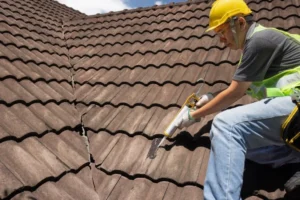
Understanding roof pitch cost is one of the most important steps before scheduling any roofing project. Pitch refers to the steepness of your roof’s slope, measured as the vertical rise per 12 inches of horizontal run.
A low-slope 3:12 roof behaves very differently from a steep 10:12 roof, and those differences directly influence labor hours, material quantities, safety equipment needs, and the final price you pay. Knowing how pitch shapes your budget helps you evaluate contractor estimates with confidence and avoid being caught off guard by unexpected costs.
Working with a licensed roofing professional is essential when pitch is a factor. Steeper roofs require specialized safety harnesses, longer installation times, and greater skill to navigate safely. An experienced contractor will assess your pitch accurately, recommend the right materials, and provide a transparent quote that accounts for every variable. Hiring a vetted professional protects your home, your budget, and your peace of mind.
How Does Roof Pitch Affect Installation Cost?
Roof pitch directly shapes what you pay for installation because it changes nearly every variable in the project. A low-pitch roof between 2:12 and 4:12 is easier and faster to work on, which keeps labor costs lower. A mid-pitch roof between 4:12 and 7:12 is the most common residential range and represents a moderate roof pitch cost level.
Once a roof reaches 8:12 or steeper, installers need additional safety equipment, move more slowly across the surface, and spend more time on setup and teardown, all of which add to your final invoice.
Material usage also increases with pitch. A steeper slope means more surface area even if your home’s footprint stays the same, so you will need more shingles, underlayment, and flashing. Contractors calculate this using a “roof factor” multiplier that adjusts material quantities based on slope angle.
On a 12:12 pitch, you may use 40 percent more material than on a flat or low-slope surface covering the same floor area. You can learn more about how different slope profiles affect overall project pricing by reviewing this breakdown of average roof replacement costs by material to see how pitch and product choice intersect.
Professional contractors factor in pitch when they conduct a site assessment, measure the roof area, calculate the slope multiplier, and build a line-item estimate. This process takes experience, and a qualified roofer will walk you through each cost driver clearly.
Platforms that prescreen contractors for licensing, insurance, and customer ratings make it far easier to find someone who will give you an honest, itemized quote instead of a vague number.
Why Do Steeper Roofs Cost More to Install?
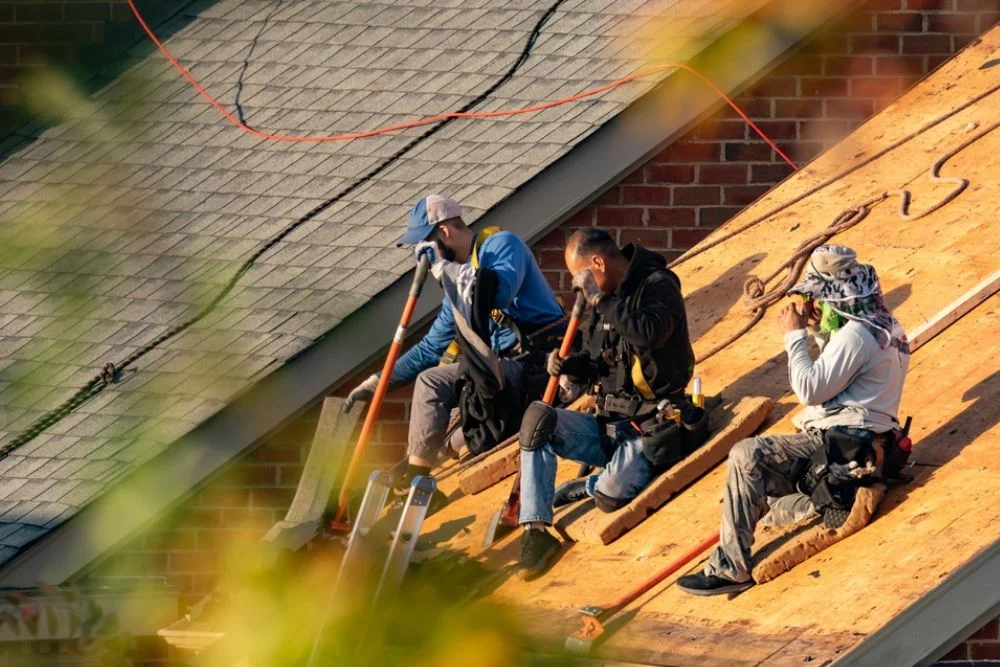
Steep roofs cost more for several concrete, practical reasons that every homeowner deserves to understand before signing a contract. First, safety is more demanding on a steep surface. Workers must wear personal fall-arrest systems, set up scaffolding or safety nets, and move with deliberate caution throughout the project.
This slows down the work and adds equipment rental costs that contractors legitimately pass on to clients. Second, physically demanding conditions increase the number of crew members needed, which compounds labor charges further.
Beyond safety, steep pitches require specific application techniques. Standard shingle installation on a low slope is straightforward, but on a 9:12 or 10:12 pitch, each shingle must be individually hand-nailed rather than relying solely on pneumatic nailers for placement, slowing the crew’s pace considerably.
Some materials, such as modified bitumen, are specifically designed for low-slope applications, and using the wrong product on a steep surface can cause premature failure. Understanding why contractors use modified bitumen roofing materials can help you ask better questions when reviewing product recommendations for your project.
Homeowners are sometimes tempted by contractors offering unusually low bids on steep-roof projects. This is a significant red flag. A low bid on a complex slope often means the contractor has not priced in proper safety equipment, plans to use inferior materials, or lacks the experience to complete the job correctly.
Vetted contractor platforms screen for licensing, insurance, and verified reviews, which filters out the low-bid operators who create costly problems down the road. Trusting a pre-screened professional is the most reliable way to protect your investment when your roof presents real technical challenges.
Does Roof Pitch Impact How Long a Roof Lasts?
Pitch plays a meaningful role in how long your roofing system performs before needing replacement. Steeper slopes shed water and debris more efficiently, which reduces the chance of standing moisture, ice damming, and organic material buildup that accelerates shingle wear.
A properly installed roof with a 6:12 or 8:12 pitch can outlast a low-slope roof in similar climates simply because gravity does more of the drainage work. This is particularly relevant in areas with heavy rainfall, snow, or falling leaves that would otherwise collect and sit on a flatter surface.
Low-slope roofs between 1:12 and 3:12 require more frequent inspections and maintenance because water has less momentum to run off quickly. These roofs almost always need specialized waterproof membranes rather than standard asphalt shingles, and even small installation errors can lead to leaks within just a few years.
A licensed contractor will help you choose materials matched to your pitch rather than defaulting to whatever is cheapest or most convenient. Explore the full range of professional roofing services available to understand which solutions are appropriate for your specific slope and climate.
Roof longevity also depends heavily on installation quality, not just pitch. An experienced installer who understands how ventilation interacts with slope, how starter strips must be applied on steeper grades, and how valley flashing behaves on different angles will consistently produce a roof that reaches or exceeds its rated lifespan.
Matching your project to a roofer with documented experience on your pitch type is one of the most valuable things you can do before any work begins. A contractor matching service that verifies credentials and reviews takes this guesswork off your plate entirely.
What Pitch Works Best for Different Climates and Materials?
There is no single perfect pitch for every home, but there are clear combinations of slope, material, and climate that perform far better than others. In regions with heavy snow loads, a pitch of at least 6:12 is generally recommended so snow slides off before it accumulates enough weight to stress the structure.
In hot, dry climates where wind-driven rain is the primary concern, a moderate pitch between 4:12 and 6:12 paired with impact-resistant shingles strikes a reliable balance. Coastal areas benefit from steeper pitches with corrosion-resistant underlayment to handle both moisture and salt exposure.
Material compatibility with pitch is equally important, and the following pairings are widely accepted by roofing professionals:
- Asphalt shingles: recommended for pitches of 4:12 and above; low-slope application requires enhanced underlayment
- Metal standing seam: suitable for pitches as low as 1:12 with proper sealants; excellent longevity on all slopes
- Clay and concrete tile: best on pitches of 4:12 or steeper; weight requires structural verification
- Cedar shake: performs well on 4:12 to 12:12 pitches; needs excellent ventilation to prevent moisture retention
- Flat or modified bitumen membranes: designed specifically for pitches below 2:12 where shingles cannot perform
A professional contractor will evaluate your existing structure, local building codes, and climate data before recommending a pitch-and-material combination. If you are considering a pitch change as part of a renovation, understand that this is a structural modification requiring engineering review and permits.
Connecting with a pre-screened roofing expert through a trusted platform helps you navigate these decisions with accurate, location-specific guidance rather than generic online advice. You can review a full directory of vetted professionals who specialize in residential roofing by visiting the American Home Quotes roofing contractor hub to get started with confidence.
Frequently Asked Questions About Roof Pitch and Installation Costs
Homeowners researching roofing projects often share the same concerns, and these are the questions that come up most frequently:
-
What Is the Cheapest Roof Pitch to Build?
Low-slope roofs between 3:12 and 4:12 are generally the least expensive to install because they are easier and faster to work on with minimal safety equipment. However, they may require costlier waterproofing materials to compensate for slower water drainage.
-
What Is the Most Expensive Part of a New Roof?
Roofing materials typically account for 40 to 60 percent of total project cost, making them the single largest expense in most installations. Labor follows closely, representing 30 to 50 percent depending on slope complexity and crew size.
-
What Time of Year Is the Cheapest to Replace a Roof?
Late winter through early spring and late fall are typically the most affordable seasons because contractor demand drops and some companies offer off-season pricing. Scheduling during these windows can also mean faster project start dates due to lower booking volume.
-
Can You Change the Pitch of an Existing Roof?
Yes, but it is a major structural renovation that involves rebuilding the roof framing, not just replacing surface materials. Minor pitch adjustments typically cost between $5,000 and $15,000, while significant redesigns can reach $40,000 to $120,000 or more.
-
What Is the Most Attractive Pitch for a Residential Roof?
A slope between 5:12 and 6:12 is widely regarded as the most visually balanced for residential homes, providing a proportional look without appearing too flat or too steep. This range also offers practical performance benefits in most climates.
-
How Can I Identify a Dishonest Roofing Contractor?
Watch for high-pressure sales tactics, vague or verbal-only estimates, refusal to provide proof of insurance, and unusually low bids that lack itemized breakdowns. Legitimate contractors will always provide written documentation, verifiable references, and a clear project timeline before any work begins.
Key Takeaways on Roof Pitch Cost
- Roof pitch cost rises with slope steepness because of increased labor time, safety equipment needs, and greater material quantities required to cover a steeper surface area.
- Low-pitch roofs between 3:12 and 4:12 have the lowest installation labor costs but require specialized waterproofing membranes that can offset savings.
- Steeper pitches generally extend roof lifespan by improving drainage and reducing moisture accumulation that degrades shingles over time.
- Material choice must match slope type, and a mismatch between product and pitch is one of the most common causes of premature roof failure.
- Climate plays a direct role in selecting the ideal pitch, with snow-heavy regions requiring at least 6:12 and coastal areas needing corrosion-resistant underlayment regardless of slope.
- Hiring a licensed, insured contractor with documented experience on your specific slope type is the most reliable way to protect your investment and avoid costly mistakes.
Your roof’s slope affects nearly every decision in a roofing project, from the materials your contractor recommends to the timeline and final cost. Understanding these relationships puts you in a stronger position when evaluating bids and discussing options with professionals. A well-matched contractor will always explain the reasoning behind their recommendations clearly and in writing.
Getting accurate, pitch-specific guidance starts with connecting to the right professional for your home’s specific needs. Call 1-877-299-0515 to speak with a roofing specialist, or visit American Home Quotes to request free quotes from pre-screened, licensed roofing contractors in your area.
American Home Quotes vets every contractor for licensing, insurance, and verified customer reviews so you connect only with professionals who have earned their reputation. Submitting your project details takes just minutes, and there is no obligation to hire.
External Sources
- National Roofing Contractors Association: Resources
- Angi: Articles
- Better Business Bureau: Tips to find a reliable and trustworthy general contractor