Casement window installation is one of the most popular window upgrade projects homeowners tackle, and for good reason. Casement windows offer superior ventilation, a clean modern look, and excellent energy efficiency when installed correctly. But achieving a watertight, properly aligned installation requires precision, the right tools, and knowledge of local building codes. Hiring a licensed, experienced window contractor ensures the job is done right the first time, protecting your home from drafts, leaks, and costly moisture damage.
Cutting corners on window installation can lead to serious structural issues, including water infiltration, mold growth, and heat loss that drives up energy bills. A professional contractor brings the expertise to assess your wall framing, select the appropriate hardware, and seal every gap thoroughly. When you work with a vetted professional, you get quality workmanship backed by accountability and proper credentials.
What Are the Benefits of Casement Windows Over Other Window Styles?
Casement windows open outward on a hinge, typically operated by a hand crank, which gives them a significant functional advantage over sliding or double-hung styles. Because the sash presses tightly against the frame when closed, casement windows create one of the most effective seals available in residential window design. That tight seal directly reduces air infiltration, helping homeowners maintain consistent indoor temperatures and lower their heating and cooling costs year-round.
Beyond energy performance, casement windows offer unobstructed views and full-panel ventilation since the entire sash swings open. This makes them a preferred choice for rooms where airflow and natural light matter most, such as kitchens, living rooms, and home offices.
They also work well in hard-to-reach locations above countertops because the crank mechanism eliminates the need to lean or stretch to operate them. Homeowners with mobility concerns often find the crank-style operation far more accessible than lifting a double-hung sash.
From a security standpoint, casement windows are among the most difficult window styles to force open from the outside since the locking mechanism engages along the entire frame. A licensed contractor for casement window installation can help you choose the right casement style, frame material, and glazing package for your climate and aesthetic goals.
To explore your options and connect with qualified window professionals in your area, visit American Home Quotes’ window services to start comparing vetted contractors near you. Getting multiple quotes ensures you find the best value without sacrificing quality.
What Does the Casement Window Installation Process Involve?
A professional casement window installation begins well before the first screw is driven. The contractor starts with a thorough measurement of the rough opening to confirm the replacement unit will fit correctly, accounting for shimming and flashing requirements. Accurate measurements are critical because even a quarter-inch discrepancy can cause alignment problems, gaps in the seal, or difficulty operating the sash. Reputable contractors also inspect the surrounding framing for rot, moisture damage, or structural weaknesses before proceeding.
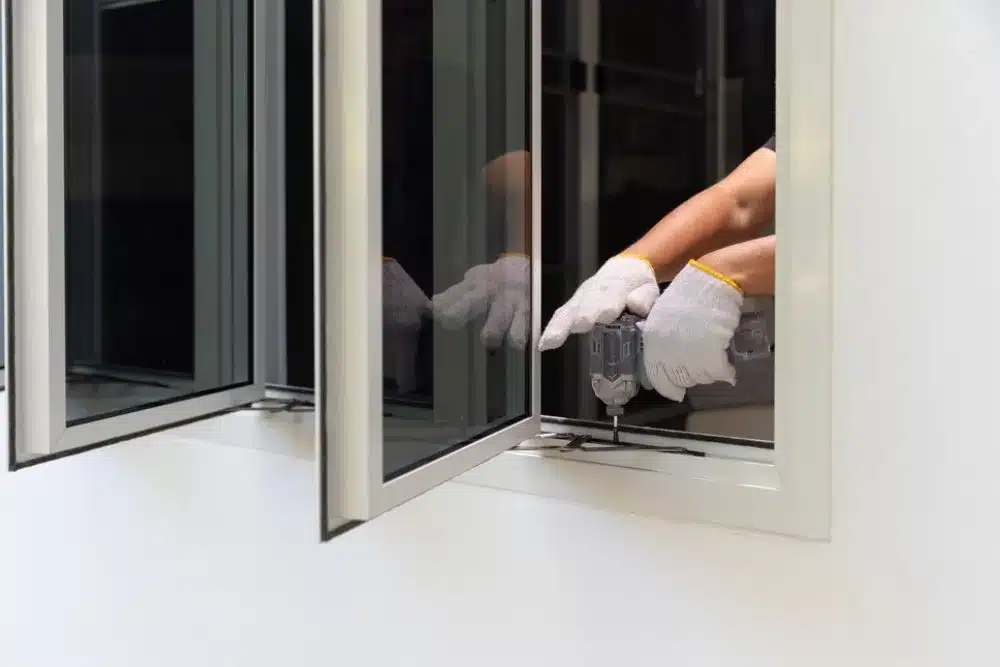
Once the opening is prepped, the installer removes the old window, carefully preserving the exterior casing and siding where possible to minimize additional repair work. The new casement unit is then set into the opening, leveled, plumbed, and squared before being fastened to the framing. Proper shimming at the corners and along the jambs ensures the window operates smoothly and remains stable over time. Flashing tape and a weather-resistant barrier are applied around the perimeter to prevent water from penetrating behind the frame.
After the unit is secured, the contractor installs interior and exterior trim, applies caulk at all seams, and verifies that the sash opens, closes, and locks without resistance. Understanding the full scope of this work helps homeowners set realistic expectations for timelines and labor costs. You can learn more about what to expect during the hiring process by reviewing these key questions to ask before hiring a home contractor so you arrive at every contractor conversation fully prepared.
How Do Contractors Ensure a Proper Seal and Energy Efficiency?
Sealing a casement window correctly is one of the most technically demanding parts of the job, and it is where inexperienced installers most often fall short. A licensed contractor follows a layered approach to weatherproofing that goes far beyond a bead of caulk around the exterior trim.
The process typically involves integrating flashing at the sill, head, and jambs, applying a self-adhering membrane to direct water away from the rough opening, and using low-expansion foam insulation between the window frame and the framing cavity to eliminate air gaps.
Contractors also evaluate the window’s energy performance ratings before installation. Metrics like U-factor, Solar Heat Gain Coefficient (SHGC), and visible light transmittance are matched to the home’s climate zone and orientation to maximize comfort and energy savings.
A south-facing window in a warm climate may require a lower SHGC to reduce heat gain, while a north-facing window in a cold region benefits from a lower U-factor to minimize heat loss. These decisions require hands-on experience and familiarity with Energy Star guidelines.
Before hiring any contractor, verifying their credentials is essential to protecting your investment. A licensed, insured window installer will carry liability coverage and workers’ compensation, meaning you are not financially responsible if something goes wrong on the job.
Understanding how to check a general contractor’s license and insurance is one of the most practical steps you can take before signing any agreement. Platforms that prescreen contractors for you take the burden of that verification off your shoulders entirely.
How Long Does Professional Casement Window Installation Typically Take?
The timeline for a professional window installation depends on several variables, including the number of windows being replaced, the complexity of the rough openings, and whether any structural repairs are needed before the new units can be set.
For a straightforward single-window replacement in an existing opening with no framing issues, a skilled installer can typically complete the job in two to four hours. Replacing multiple windows in a single day is common when a crew is dispatched and materials are staged in advance.
More involved projects, such as installing casement windows in an opening that previously held a different window style, converting a solid wall section to include a new window, or addressing rotted framing discovered during demo, can extend the timeline significantly.
Homeowners should also factor in lead time for ordering custom-sized or specialty-glazed units, which can range from a few days to several weeks depending on the manufacturer. Scheduling inspections or permits, where required by local code, adds another variable that a seasoned contractor will account for in the project plan.
Here are the primary factors that influence how long a professional window project will take:
- Number of windows being replaced or newly installed
- Condition of existing framing and whether repairs are needed
- Custom sizing or specialty glazing requirements that extend lead times
- Permitting and inspection requirements in your municipality
- Crew size and equipment available on installation day
For a more detailed breakdown of what affects project timelines, this resource on how long it takes a contractor to replace windows provides helpful context for planning your project schedule. Knowing the timeline upfront helps you coordinate around the project with confidence. If budget planning is also a priority, reviewing budgetable home remodeling tips for 2026 can help you allocate costs across your window upgrade and any related improvements.
Frequently Asked Questions About Casement Window Replacement and Installation
Homeowners researching window upgrades often have similar questions about cost, process, and contractor selection:
-
How much does it cost to have casement windows professionally installed?
The cost of professional casement window installation typically ranges from $300 to $1,000 or more per window, depending on window size, frame material, glazing options, and local labor rates. Getting multiple quotes from vetted contractors is the best way to understand what a fair price looks like in your specific market.
-
Do casement windows require a building permit?
Permit requirements vary by municipality, but replacing a window in an existing opening with a same-size unit is often exempt from permit requirements in many jurisdictions. Your contractor should be familiar with local code requirements and can advise whether a permit is needed before work begins.
-
What is the lifespan of a properly installed casement window?
A well-made casement window installed by a licensed professional can last 20 to 40 years, depending on the frame material and how well it is maintained. Vinyl and fiberglass frames generally outperform wood in terms of longevity because they resist rot, warping, and moisture damage more effectively.
-
Can casement windows be installed in any room of the house?
Casement windows work well in virtually any room, though they are especially popular in kitchens, bedrooms, and living spaces where maximum ventilation and unobstructed views are desired. The one consideration is swing clearance — the outward-opening sash needs enough exterior space to open fully without obstruction.
-
What frame materials are available for casement windows?
Casement windows are available in vinyl, fiberglass, aluminum, wood, and wood-clad frames, each offering a different balance of cost, durability, and energy efficiency. A qualified contractor can help you match the right frame material to your climate, architectural style, and maintenance preferences.
-
How can I tell if my casement window was installed incorrectly?
Common signs of a faulty window installation include drafts around the frame, condensation between panes, difficulty opening or closing the sash, and visible gaps in the caulk or flashing. If you notice any of these issues, having a licensed contractor inspect the installation promptly can prevent minor problems from escalating into expensive water or structural damage.
Key Takeaways on Casement Window Installation
- Casement window installation requires precise measurements, proper flashing, and structural prep — all of which a licensed contractor is trained to handle correctly.
- Casement windows offer superior energy efficiency, security, and ventilation compared to many other window styles, making them a strong long-term investment.
- A layered weatherproofing approach, including flashing tape, low-expansion foam, and quality caulk, is essential to preventing drafts and water infiltration.
- Installation timelines vary based on the number of windows, framing condition, custom order lead times, and local permit requirements.
- Always verify a contractor’s license and insurance before signing any agreement to protect yourself from liability and substandard work.
- Using a prescreened contractor matching platform saves time, reduces stress, and connects you with professionals who meet verified quality standards.
Choosing the right contractor is just as important as choosing the right window. A skilled, licensed installer protects your home’s structural integrity, ensures code compliance, and delivers an energy-efficient result that performs for decades. Taking the time to vet your contractor thoroughly pays off in workmanship, warranty coverage, and long-term peace of mind.
When you are ready to move forward, American Home Quotes makes it simple to connect with pre-screened, licensed window contractors in your area at no cost and with no obligation. Every professional in the network has been vetted for licensing, insurance, and customer service quality so you can compare options with confidence. Call 1-877-657-0078 to speak with a representative and get matched with qualified contractors who are ready to start your project.
External Sources
- BrokerCalls: How Do I Get Window and Doors Leads for My Business?
- BrokerCalls: Home Service Leads: The Growth Engine for Your Business
- BrokerCalls: Lead Generation for Contractors/Remodelers