As temperatures climb and the cooling season approaches, tackling spring HVAC maintenance before summer arrives is one of the smartest, most cost-effective decisions a homeowner can make. Skipping this step means your system enters peak demand unprepared, which dramatically raises the risk of breakdowns on the hottest days of the year when technicians are busiest and emergency service costs are highest. A well-maintained system runs more efficiently, lowers monthly energy bills, and can extend the operational life of your equipment by years.
Attempting complex HVAC work without the right credentials puts both your safety and your warranty at risk. Licensed professionals have the tools, certifications, and hands-on experience to catch problems before they become expensive repairs. Working with a vetted contractor ensures your system is inspected thoroughly, serviced correctly, and ready to keep your home comfortable all summer long.
What Does a Thorough Spring HVAC Maintenance Inspection Cover?
A professional seasonal inspection is far more comprehensive than most homeowners realize for spring HVAC maintenance. Technicians systematically evaluate every major component of your cooling system, checking for wear, leaks, blockages, and safety issues that are invisible without specialized equipment. This diagnostic process is the foundation of reliable summer performance.
During a standard cooling season tune-up, a licensed technician will inspect and address a wide range of system components. Electrical connections are tested and tightened to prevent fire hazards and power failures. Refrigerant levels are measured, and the system is checked for leaks, since low refrigerant forces the compressor to overwork and dramatically shortens its lifespan.
Evaporator and condenser coils are cleaned to restore heat exchange efficiency, which directly affects how much electricity your system consumes. Blower motors and fan belts are lubricated and examined for signs of wear. The condensate drain line is flushed to prevent water backups that can cause mold growth and interior water damage.
Beyond these mechanical checks, technicians also test the thermostat calibration and cycle timing to confirm the system starts, runs, and shuts off correctly. If your home uses a heat pump, the reversing valve and defrost controls are evaluated as part of a complete system review.
Explore the full range of professional HVAC services available for homeowners who want a licensed technician to handle every aspect of seasonal readiness. Using a vetted contractor matching platform removes the guesswork of finding a qualified professional and gives you access to pre-screened technicians who carry the proper licenses and insurance for this work.
Which HVAC Tasks Can Homeowners Handle Themselves in the Spring?
There is a meaningful but limited set of maintenance tasks homeowners can safely perform without professional help. Understanding this boundary protects your equipment, preserves your warranty, and keeps your household safe. Attempting tasks beyond this boundary, particularly anything involving refrigerant, electrical components, or gas connections, requires EPA certifications or licensed trade credentials and should never be attempted as a DIY project.
These are the seasonal tasks a homeowner can safely complete before calling in a professional:
- Replace or inspect air filters every one to three months, or more frequently if you have pets or allergy sufferers in the home
- Clear the area around the outdoor condenser unit of leaves, grass clippings, and debris, maintaining at least two feet of clearance on all sides
- Gently rinse the exterior condenser fins with a garden hose to remove dirt buildup, using low pressure to avoid bending the fins
- Pour a cup of distilled white vinegar down the condensate drain line to prevent algae buildup and clogs
- Test the thermostat by switching it to cooling mode and confirming the system responds correctly
- Check all supply and return vents to make sure furniture or curtains are not blocking airflow
Once these tasks are complete, a professional inspection is still the necessary next step. DIY upkeep keeps the system cleaner between visits, but it does not replace the diagnostic capability of a licensed technician. Professionals use tools like manifold gauge sets and combustion analyzers to detect problems that are simply undetectable through visual inspection.
Platforms like American Home Quotes make it straightforward to connect with pre-screened contractors who can complete the professional side of seasonal care quickly and reliably.
When Should Homeowners Schedule a Professional Spring HVAC Tune-Up?
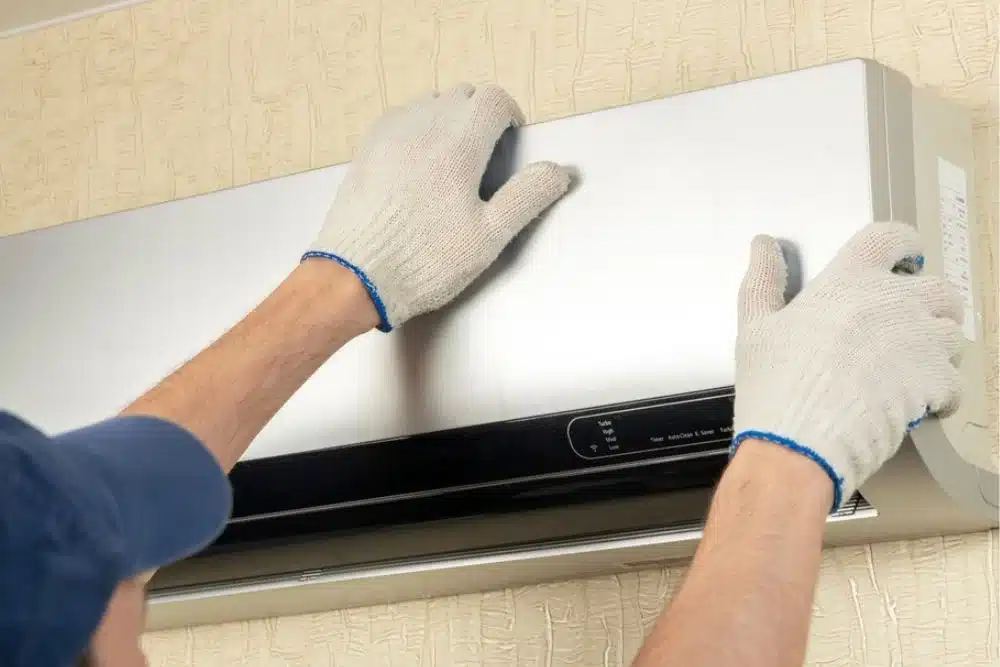
Timing your professional tune-up correctly makes a significant difference in availability, pricing, and outcomes. Most HVAC experts recommend scheduling cooling system service between March and May. This window falls before peak summer demand, meaning technicians have more flexible appointment slots, and you avoid the long wait times and premium emergency rates that come with July and August breakdowns.
If you need urgent attention outside of the regular season, finding qualified help quickly is possible through resources that connect homeowners to emergency HVAC repair professionals in your local area.
Homeowners with older systems, those who have missed previous annual service visits, or households that noticed any performance issues during the past cooling season should prioritize scheduling as early as possible. Systems ten years or older are especially vulnerable to compressor and capacitor failures that appear suddenly during the first intense heat wave of the season.
A professional who inspects the system in early spring has time to order and install replacement parts before the temperatures rise.
Manufacturer warranties are another important factor. Many HVAC manufacturers require documented annual professional service as a condition of honoring a warranty claim. If your system fails during the summer and you cannot provide proof of maintenance, you may be responsible for the full repair or replacement cost out of pocket. Scheduling service through a vetted platform ensures you receive detailed service documentation and work with contractors who understand warranty compliance requirements.
American Home Quotes prescreens its network of HVAC professionals to verify licensing, insurance, and customer satisfaction records, so you can schedule with confidence knowing the contractor is qualified.
How Does Regular Spring HVAC Maintenance Prevent Costly Repairs?
Preventive care is consistently less expensive than reactive repair, and the HVAC industry provides some of the clearest evidence of this principle. A standard professional tune-up typically costs between $75 and $200, while a compressor replacement can run $1,500 or more, and a full system replacement averages $5,000 to $12,000 depending on the equipment and installation complexity.
Regular seasonal inspections catch the early warning signs of component failure long before they escalate into those higher-cost emergencies.
Dirty condenser coils force the system to run longer cycles to achieve the same cooling output, which drives up electricity consumption and accelerates wear on the compressor. Low refrigerant causes the evaporator coil to freeze, which can result in water damage to the air handler and surrounding structure.
A worn capacitor gives almost no warning before it fails completely, leaving the system unable to start. Each of these failure points is identifiable and addressable during a routine inspection at a fraction of the emergency repair cost.
There is also the matter of energy efficiency. A system that has not been serviced in two or more years can lose a significant percentage of its rated efficiency. That lost performance translates directly into higher monthly utility bills. Over a single summer, the energy savings from a properly maintained and tuned system can offset the entire cost of the professional visit. Understanding the full spectrum of equipment options, from central systems to alternatives, also plays a role in long-term cost planning.
Reviewing guidance on the best types of HVAC systems for residential homes can help homeowners make informed upgrade decisions when the time comes. American Home Quotes connects homeowners with licensed, vetted HVAC professionals who provide transparent pricing and document every step of the service visit.
Frequently Asked Questions About HVAC Seasonal Tune-Up and Efficiency
Homeowners consistently ask the same practical questions when preparing their cooling systems for warmer weather:
-
When is the best time of year to schedule an HVAC service appointment?
The optimal window for scheduling a cooling system service is between March and May, before extreme summer heat increases demand for technicians. Booking during this shoulder season means shorter wait times, more appointment flexibility, and often lower service rates compared to peak-season emergency calls.
-
Is an annual HVAC tune-up actually necessary?
Yes, annual professional servicing is strongly recommended and functions much like an oil change for your car. Skipping it allows minor issues like worn capacitors or dirty coils to go undetected and turn into expensive mid-summer breakdowns, and many manufacturers will void a warranty if annual service records cannot be provided.
-
How often should a residential HVAC system be professionally serviced?
Most HVAC professionals recommend servicing your system at least once a year, with twice-yearly service being the ideal standard. Cooling equipment benefits from a spring inspection before summer, while heating equipment should be checked in the fall before it is called on for winter use.
-
Can homeowners perform any HVAC maintenance tasks themselves?
Yes, basic tasks like replacing air filters, clearing debris from the outdoor unit, rinsing condenser fins, and flushing the condensate drain are safe for homeowners to handle. However, tasks involving refrigerant handling, electrical diagnostics, or gas connections are legally restricted and require a licensed professional with proper EPA certification.
-
How long does a typical residential HVAC system last with proper care?
A well-maintained central air conditioning system typically lasts between 12 and 17 years, while furnaces and heat pumps can last 15 to 20 years with consistent annual service. Neglecting routine maintenance shortens this lifespan considerably by allowing preventable wear to compound over multiple seasons.
-
What happens if a cooling system goes without a seasonal tune-up for several years?
A system that has missed multiple years of professional service loses measurable efficiency, consumes more electricity, and is significantly more vulnerable to sudden component failures during peak summer demand. The cumulative cost of higher energy bills and an avoidable emergency repair typically far exceeds what several years of routine service visits would have cost.
Key Takeaways on Spring HVAC Maintenance
- Completing spring HVAC maintenance before summer arrives prevents costly emergency breakdowns and keeps your system running at peak efficiency throughout the hottest months
- A professional tune-up covers electrical connections, refrigerant levels, coil cleaning, condensate drainage, thermostat calibration, and blower motor inspection, tasks that go well beyond what homeowners can safely perform themselves
- Homeowners can support system health by replacing filters regularly, clearing debris from the outdoor unit, and flushing the condensate drain, but these tasks supplement rather than replace professional service
- Scheduling a tune-up between March and May secures better appointment availability and avoids the premium rates that come with peak-season emergency calls
- Most HVAC manufacturers require documented annual professional service to keep warranties valid, making proper record-keeping as important as the service itself
- A standard tune-up costing $75 to $200 routinely prevents repairs that can run into the thousands, making preventive care one of the highest-return investments a homeowner can make in their home’s systems
Staying ahead of cooling system problems is straightforward when you work with qualified professionals on a consistent schedule. The combination of basic homeowner upkeep and annual professional inspection gives your system the best possible chance of delivering reliable, efficient comfort for its full expected lifespan.
If you want to explore the best heating and cooling options for your home, reading about how to choose the right heat pump system for your home can help you plan future upgrades with confidence. Homeowners looking at room-by-room cooling options can also benefit from reviewing whether HVAC window units remain a practical cooling solution for specific spaces in the home.
Getting connected to a licensed, experienced contractor is the most important step you can take, and the right platform makes that process fast and reliable. Call 1-877-648-1525 to speak with a representative, or visit American Home Quotes to be matched with pre-screened HVAC professionals in your area who are verified, insured, and ready to help you prepare your system for the season ahead.
External Sources
- BrokerCalls: Invest and Buy Quality HVAC Leads
- BrokerCalls: HVAC Leads
- BrokerCalls: About Us