A damaged or failing sewer line is one of the most disruptive plumbing problems a homeowner can face. Raw sewage backing up into drains, foul odors rising from the yard, or slow drains throughout the house are serious warning signs that should never be ignored.
When the main sewer line that connects your home to the municipal system fails, every toilet, sink, and shower in your house is at risk. Hiring qualified sewer line contractors is the fastest and safest path to a lasting repair, because this type of work involves underground infrastructure, local code compliance, and specialized equipment that no DIY approach can adequately replace.
Attempting to address a sewer problem without professional expertise often leads to incomplete repairs, permit violations, and thousands of dollars in additional damage. Licensed plumbing professionals carry the right tools, training, and insurance to diagnose problems accurately, recommend the correct repair method, and restore your system to full function. Getting the right help early protects your home’s foundation, your family’s health, and your long-term budget.
What Are the Warning Signs That Your Sewer Line Needs Professional Attention?
Sewer problems rarely announce themselves with a single dramatic event. More often, they develop gradually through a pattern of symptoms that homeowners may dismiss as isolated inconveniences. Recognizing these patterns early gives you the best chance of catching a problem before it becomes a full structural failure. If you notice multiple symptoms at the same time, that combination is a strong signal that the main line, not just an individual fixture, is compromised.
The most reliable indicators that your sewer system needs a professional evaluation include these warning signs:
- Multiple drains backing up simultaneously, especially in lower-level fixtures like basement floor drains
- Gurgling sounds coming from toilets or sinks when water drains elsewhere in the house
- Persistent sewage odors inside the home or around the yard
- Unusually green or lush patches of grass in one section of the yard, signaling a hidden leak feeding the soil
- Soggy ground, indentations, or sinkholes forming over the path of the buried pipe
- Slow drains in multiple fixtures that do not resolve with standard drain cleaning
- Visible cracks forming in the foundation or driveway near the sewer line path
Older homes are especially vulnerable. Clay pipes commonly installed before the 1980s are brittle and susceptible to root intrusion and shifting soil. If your home is more than 40 years old and you have never had a sewer inspection with sewer line contractors, scheduling a professional camera inspection is a proactive step worth taking.
Working through a vetted matching platform connects you to licensed professionals who can assess your specific pipe material, age, and condition with precision rather than guesswork when you see signs your home needs sewer pipe repair.
How Do Sewer Line Contractors Diagnose Blockages and Damage?
Accurate diagnosis is the foundation of every effective repair. Before any work begins, an experienced plumber needs to confirm exactly where the problem is located, what is causing it, and how extensive the damage is. Guessing without proper tools leads to unnecessary excavation, missed damage, and repairs that fail again within months. Professional technicians use proven diagnostic methods to deliver a clear, verified picture of what is happening underground.
The most widely used diagnostic tool is the sewer camera inspection, in which a waterproof camera mounted on a flexible cable is fed through a cleanout access point and guided through the length of the pipe. What problems a sewer camera inspection can detect? The technician watches a live video feed to identify blockages, root intrusions, cracks, collapsed sections, bellied pipe segments, and offset joints. This method pinpoints the exact location and nature of the damage without requiring any digging.
Beyond camera inspections, professionals may use hydrostatic pressure testing to confirm whether a pipe is holding or leaking, smoke testing to locate cracks or breaches, and ground-penetrating radar in complex cases where pipes run beneath concrete slabs or foundations. After diagnosis, a reputable plumber provides a written assessment with the scope of damage, recommended repair methods, and a transparent cost estimate.
Platforms that prescreen contractors for licensing, insurance, and verified experience give homeowners a significant advantage when they need a trustworthy diagnosis quickly. Using a matching service instead of searching independently saves time and reduces the risk of hiring someone who lacks the proper equipment to diagnose the problem correctly the first time.
What Sewer Line Repair and Replacement Methods Do Contractors Use?
Once the damage is confirmed, the repair method depends on the type and severity of the problem, the pipe material, depth, length of the damaged section, and what obstacles lie in the way. Professionals generally offer two broad categories of repair: trenchless methods and traditional open-trench excavation. Understanding the difference helps homeowners ask the right questions and evaluate the estimates they receive.
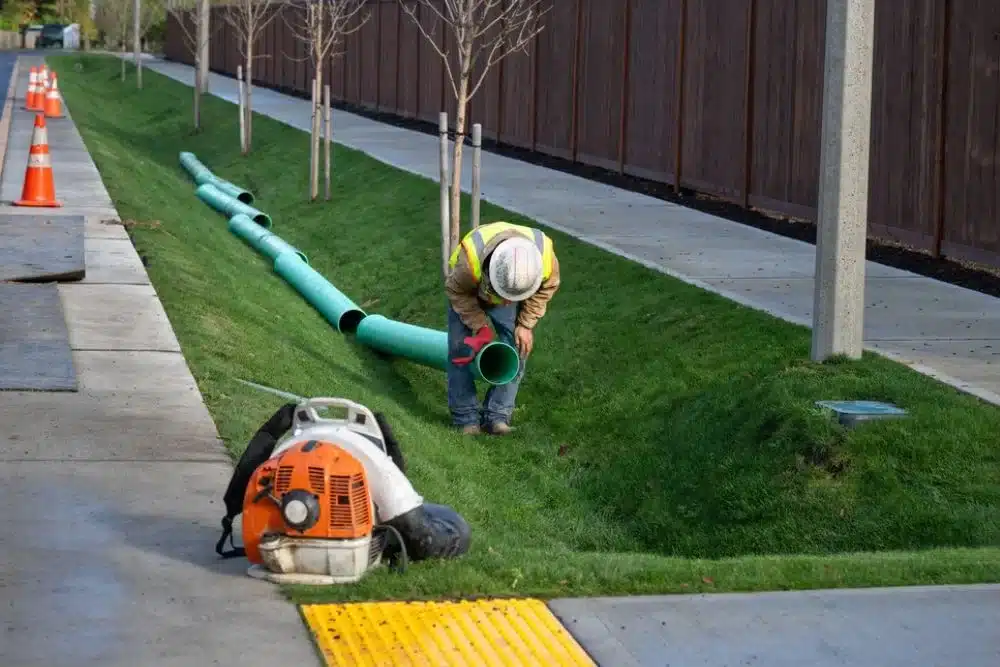
Trenchless repair has become the preferred option in most residential cases because it preserves landscaping, driveways, and hardscaping. Pipe lining, also called cured-in-place pipe (CIPP), involves inserting a resin-saturated liner into the existing pipe and inflating it to cure in place, forming a seamless new pipe within the old one. Pipe bursting is another trenchless technique in which a hydraulic bursting head fractures the old pipe outward while simultaneously pulling a new pipe into position.
Both methods typically take one to two days and cause minimal surface disruption. Traditional excavation remains necessary for collapsed pipes, severely misaligned sections, or pipes that have shifted significantly due to soil movement. In these cases, workers dig to the affected section, remove the damaged pipe, and install a new PVC replacement. This approach takes three or more business days depending on depth, length, and site conditions.
It is also worth understanding the difference between a repair and a full replacement when evaluating bids. Repairs address isolated damage sections, while replacements involve pulling the entire lateral from the house foundation to the street connection. Pre-screened contractors walk homeowners through each method honestly, including cost, timeline, and long-term durability, so there are no surprises once work begins.
How Do You Choose a Qualified Sewer Line Contractor for Your Home?
Hiring the wrong contractor for underground sewer work is a costly mistake that is difficult to reverse. Unpermitted repairs, substandard pipe materials, and improperly installed lines can void homeowner’s insurance coverage, fail municipal inspections, and cause structural damage to your property. The credentials and work history of any professional you hire matter as much as the quoted price, and price alone should never be the deciding factor for work that takes place beneath your home’s foundation.
Several key criteria distinguish a qualified, trustworthy plumbing professional from an unvetted one. Any contractor you consider for this type of work should meet the following standards:
- Holds a valid state plumbing license and can provide the license number for verification
- Carries general liability insurance and workers’ compensation coverage to protect your property and the crew
- Obtains required permits before beginning any underground work and passes required inspections
- Provides a written estimate that itemizes labor, materials, permit fees, and the repair method clearly
- Offers a written warranty on both labor and parts, with a minimum of one year on workmanship
- Has verifiable references or reviews from recent clients on similar residential sewer projects
Sewer problems can escalate quickly from manageable repairs into plumbing emergencies. Knowing what qualifies as an emergency plumbing repair when a situation crosses that threshold is critical, and helps homeowners decide how fast to act.
Matching platforms that prescreen professionals by license status, insurance, and track record remove the burden of vetting from the homeowner and connect you directly to contractors who have already been evaluated. This approach saves hours of research, protects you from fly-by-night operators, and gives you multiple competitive bids to compare with confidence.
Frequently Asked Questions About Sewer Line Repair and Replacement
Homeowners dealing with pipe problems often share the same pressing concerns, so here are clear answers to the most common questions:
-
What is the average cost to repair a sewer line?
Most homeowners pay between $3,000 and $10,000 for a repair, depending on the method used and the extent of the damage. Trenchless repairs tend to cost 30 to 50 percent less than traditional excavation because they eliminate the need to dig up landscaping or driveways.
-
How do I know if my sewer pipe needs replacing?
Common signs include multiple drains backing up at the same time, gurgling noises from toilets, sewage odors inside or outside the home, and soggy patches in the yard above the pipe’s path. A professional camera inspection is the only way to confirm the exact nature and location of the damage.
-
What is the average lifespan of a residential sewer pipe?
Most residential pipes last between 50 and 100 years, though this varies significantly by material. PVC pipes last 75 to 100 years, cast iron typically 50 to 75 years, and older clay or Orangeburg pipes may fail much sooner due to brittleness and susceptibility to root intrusion.
-
Is it worth repairing a sewer pipe rather than replacing it?
Repairing a localized section is usually worth it when the rest of the pipe is structurally sound and the damage is isolated to one area. Full replacement becomes the more cost-effective long-term choice when the pipe material is outdated, widespread damage is present, or the pipe has collapsed in multiple locations.
-
How long does a sewer pipe replacement take?
A trenchless replacement can typically be completed in two business days or fewer, while a traditional open-trench replacement may take three to five days depending on depth, pipe length, and site access. Projects involving pipes under concrete slabs, driveways, or dense underground utilities may take longer.
-
Will homeowners insurance pay for a sewer pipe repair?
Standard homeowners insurance policies generally do not cover repairs caused by normal wear, root intrusion, or gradual pipe deterioration. However, if the damage resulted from a sudden covered event such as a severe storm, some coverage may apply, and an optional service line endorsement can provide broader protection for underground pipes.
Key takeaways on sewer line contractors
- Hiring qualified sewer line contractors is essential for safe, code-compliant repairs that protect your home’s structure and your family’s health.
- Warning signs like multiple slow drains, gurgling sounds, sewage odors, and soggy yard patches often point to a main line problem rather than isolated fixture clogs.
- Camera inspections are the most reliable diagnostic tool, pinpointing the exact location and type of damage before any repair begins.
- Trenchless repair methods such as pipe lining and pipe bursting preserve landscaping and typically cost significantly less than traditional excavation.
- Always verify a contractor’s state license, insurance, permit practices, and written warranty before any underground work begins.
- Standard homeowners insurance typically excludes gradual pipe deterioration, but optional service line endorsements can close that coverage gap.
Sewer problems rarely resolve on their own and almost always worsen with time. Acting at the first signs of trouble gives homeowners access to less invasive and less expensive repair options before the situation becomes a full emergency.
The easiest way to protect your home is to connect with pre-screened, licensed professionals who specialize in this work. Reach American Home Quotes today to get matched with vetted plumbing contractors in your area, or call 1-877-792-5461 to speak with someone directly. American Home Quotes prescreens every professional in its network for licensing, insurance, and customer satisfaction, so you receive competitive quotes from contractors you can trust without having to search on your own.