Every year, homeowners unknowingly shorten the life of their HVAC systems and inflate their energy bills through a handful of repeated errors. Understanding the most common HVAC mistakes homeowners make is the first step toward protecting a system that can cost thousands of dollars to replace.
These mistakes range from simple oversights like skipping filter changes to more serious missteps like ignoring warning sounds or blocking airflow. Working with a licensed, vetted HVAC professional ensures that problems are caught early, repairs are done correctly, and your system runs efficiently for years to come.
According to the U.S. Department of Energy and EPA research, up to 90% of residential HVAC systems operate with at least one significant installation or maintenance fault. That statistic should concern every homeowner, because a poorly functioning system does not just waste energy, it creates safety risks and accelerates wear on expensive components. Hiring a qualified contractor who has been screened for licenses, insurance, and experience is not a luxury but a practical safeguard that pays for itself quickly.
Why Do Homeowners Skip Regular Filter Changes and What Does It Cost Them?
A clogged or dirty air filter is consistently ranked among the most damaging things a homeowner can do to an HVAC system, yet it remains the most frequently overlooked maintenance task. When a filter becomes saturated with dust, pet dander, and debris, airflow across the evaporator coil drops sharply.
The system must work harder to move conditioned air through your home, which strains the blower motor, raises energy consumption, and eventually causes the coil to ice over. Most manufacturers recommend replacing standard 1-inch filters every 30 to 90 days, depending on usage and household conditions.
The financial consequences are real and measurable. A restricted filter can increase energy consumption by 5% to 15% per billing cycle, and over a full cooling or heating season, that adds up to a noticeable expense. Worse, sustained airflow restriction can overheat the heat exchanger in a furnace, creating a carbon monoxide risk that poses a direct threat to your family. Many homeowners do not realize that a simple $10 filter can prevent a $600 blower motor replacement or a $1,500 heat exchanger repair.
A licensed HVAC technician can assess your filter type, replacement schedule, and overall system airflow during a routine visit. They can also recommend media filters or whole-home air purification upgrades that provide longer service intervals without sacrificing air quality. If you want to connect with a qualified professional who can evaluate your current setup, exploring vetted HVAC maintenance and repair services is a straightforward way to find someone with the right credentials and experience for your home.
How Does Ignoring Strange HVAC Noises Lead to Bigger Repairs?
Unusual sounds from an HVAC system are almost never random. Banging, rattling, squealing, or grinding noises typically signal a mechanical problem that will worsen the longer it goes unaddressed. A loose blower wheel can become a broken blower assembly. A failing capacitor often announces itself with a clicking or humming sound before it fails completely, leaving the system unable to start. These early warning signs are valuable because repairs caught at the symptom stage are almost always far less expensive than repairs made after a component fails entirely.
Homeowners often delay calling a technician because they hope the sound will go away, or they assume it is normal behavior. In reality, HVAC systems are designed to operate quietly, and persistent sounds indicate mechanical stress, refrigerant issues, or electrical faults. The most common sounds and their likely causes include the following:
- Banging or clanking: loose or broken components inside the air handler or compressor
- Squealing or screeching: worn fan belt or failing motor bearings
- Clicking at startup or shutdown: normal briefly, but persistent clicking often points to a failing relay or capacitor
- Hissing: refrigerant leak, which requires certified technician handling under EPA regulations
- Rattling: loose panels, debris in the unit, or a deteriorating blower motor mount
A professional HVAC diagnostic visit targets the root cause rather than masking symptoms. Technicians use the five core diagnostic pillars, including suction pressure, head pressure, superheat, subcooling, and evaporator air temperature split, to build a precise picture of system performance.
Catching a refrigerant leak or a failing capacitor early through professional diagnosis can save hundreds of dollars and prevent a mid-summer breakdown when replacement parts and emergency service fees peak. Scheduling a professional inspection at the first sign of unusual sounds is one of the most cost-effective decisions a homeowner can make.
What Happens When You Block or Close HVAC Vents in Unused Rooms?
Closing vents in spare bedrooms or unused spaces feels like a logical way to redirect conditioned air where it is needed most. Unfortunately, it does the opposite of what most homeowners expect. Forced-air HVAC systems are sized and balanced for the total square footage of the home, and every vent in the ductwork plays a role in maintaining the designed static pressure.
When vents are closed or blocked by furniture, the system encounters increased resistance that pushes blower motors past their intended operating range, reduces efficiency, and can cause duct leaks at seams and joints that were never meant to handle the pressure buildup.
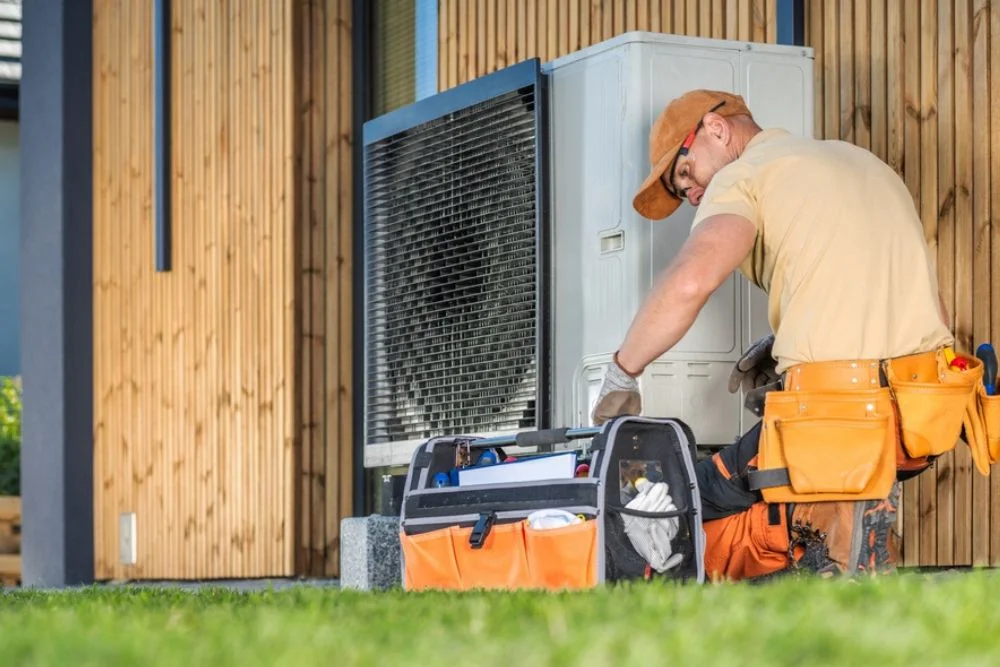
Over time, running a system against closed vents accelerates wear on the compressor and forces the heat exchanger to operate at higher temperatures than it was rated for. This is one of the common HVAC mistakes homeowners make that seems minor but compounds quietly into costly damage. The 2-foot clearance rule for outdoor units applies equally to indoor supply and return vents; furniture, curtains, and rugs placed over registers restrict airflow just as effectively as closing a damper. A properly balanced HVAC system depends on every register contributing its share of the total airflow design.
If certain rooms genuinely feel too warm or too cool, the right solution is a professional load calculation and duct balancing assessment rather than manual vent closure. Technicians can identify undersized ducts, missing return air capacity, or zoning opportunities that address comfort problems without stressing the system.
You can learn how system design affects long-term reliability by reading about how long an HVAC system should last and what maintenance practices extend that lifespan. Proper airflow management, guided by a licensed technician, protects both your comfort and your investment.
Why Is Skipping Annual HVAC Maintenance One of the Costliest Mistakes?
Annual HVAC maintenance is not optional upkeep reserved for older systems. It is a preventive strategy that applies to every system regardless of age or brand. During a professional tune-up, technicians inspect and clean the evaporator and condenser coils, check refrigerant charge levels, test electrical connections, lubricate moving parts, and verify thermostat calibration. Each of these tasks addresses a failure point that, left unchecked, can shorten the system’s life or trigger an unexpected breakdown during peak seasonal demand.
The $5,000 rule is a useful benchmark when weighing repair versus replacement costs: multiply the system’s age by the estimated repair cost, and if the result exceeds $5,000, replacement is typically the smarter financial choice. Consistent annual maintenance dramatically reduces the chance of reaching that threshold prematurely.
A well-maintained central air conditioner can serve a home reliably for 15 to 20 years, while a neglected system may need replacement a decade earlier. The cost of a single annual tune-up, typically between $75 and $200, is minimal compared to an early system replacement that can range from $5,000 to $12,000 or more.
Scheduling maintenance before peak season also protects homeowners from the surge pricing and extended wait times that typically accompany summer and winter demand spikes. Finding a trustworthy, licensed technician is easier when using a pre-screened contractor network. Checking whether your system is due for service is a simple first step, and you can find guidance on scheduling and what to expect from a professional annual HVAC inspection.
Connecting with a vetted contractor through a matching platform removes the uncertainty of searching independently and ensures the technician arriving at your door carries the credentials and insurance your home deserves. If you want a broader overview of available services, visiting HVAC solutions for homeowners outlines the full range of options that licensed professionals provide.
Frequently Asked Questions About HVAC Maintenance and Repair Mistakes
Homeowners researching their HVAC systems often share the same core questions, and these are the answers that matter most:
-
What is the most common HVAC repair homeowners face?
Replacing a faulty start or run capacitor is the single most frequent HVAC repair call technicians receive. Other common issues include clogged condensate drain lines, dirty air filters, and thermostat malfunctions that prevent proper system operation.
-
How do I know whether to repair or replace my HVAC system?
Multiply your system’s age in years by the estimated repair cost; if that number exceeds $5,000, replacement typically offers better long-term value. A licensed technician can provide a professional assessment that weighs efficiency ratings, repair history, and remaining system life.
-
What percentage of HVAC systems are installed incorrectly?
Research from the Department of Energy and EPA suggests that between 70% and 90% of residential HVAC systems have at least one significant installation fault, such as improper refrigerant charge or undersized ductwork. This is a strong argument for hiring certified contractors and having a new system verified by an independent inspection.
-
How long does the average home HVAC system last?
Central air conditioners typically last 15 to 20 years, gas furnaces 15 to 25 years, and heat pumps 10 to 15 years with consistent maintenance. Neglecting annual tune-ups, changing filters irregularly, or allowing airflow restrictions can cut those estimates significantly shorter.
-
What are the most common things that go wrong with an HVAC system?
The five most frequent problems are dirty or clogged air filters, thermostat malfunctions, refrigerant leaks, electrical or capacitor failures, and fouled condenser or evaporator coils. Most of these issues are preventable with routine professional maintenance performed at least once per year.
-
Does setting the thermostat a degree or two higher actually save money on cooling costs?
Yes, raising your thermostat by even one degree typically reduces cooling costs by roughly 3% to 5%, making a two-degree adjustment a meaningful budget strategy over a full summer. Pairing thermostat adjustments with regular system maintenance produces the greatest combined savings on monthly utility bills.
Key Takeaways on Common HVAC Mistakes Homeowners Make
- Skipping filter changes restricts airflow, strains system components, and can raise energy costs by up to 15% per billing cycle.
- Unusual HVAC sounds are early warnings, and addressing them quickly prevents minor issues from becoming major, expensive repairs.
- Closing vents in unused rooms increases internal duct pressure, damages components, and reduces overall system efficiency rather than saving energy.
- Annual professional maintenance is the single most effective way to extend system life, prevent breakdowns, and avoid premature replacement costs.
- Up to 90% of residential systems operate with at least one installation or maintenance fault, making professional diagnosis and repair essential rather than optional.
- Using a vetted contractor matching service removes the risk of hiring unqualified technicians and ensures work is done to industry standards.
Your HVAC system is one of the most significant investments in your home, and protecting it requires more than good intentions. Routine professional care, timely repairs, and proper airflow management are the practical steps that keep systems running safely and efficiently for their full intended lifespan.
When common HVAC mistakes homeowners make arise or maintenance is overdue, finding a trustworthy professional quickly matters. Call 1-877-648-1525 to get connected with pre-screened HVAC contractors in your area, or visit American Home Quotes to compare free, no-obligation quotes from licensed professionals who have been vetted for credentials and reliability. The platform matches homeowners with qualified contractors based on their specific needs, ZIP code, and project type, removing the guesswork from one of the most important hiring decisions you can make for your home.
External Sources
- Department of Energy: Central Air Conditioning | Department of Energy
- BrokerCalls: Invest and Buy Quality HVAC Leads
- BrokerCalls: HVAC Leads