The air inside your home can be two to five times more polluted than outdoor air, according to the U.S. Environmental Protection Agency. Understanding how to improve indoor air quality naturally is one of the most important steps a homeowner can take to protect family health, reduce allergy symptoms, and create a more comfortable living environment.
Small, consistent changes, such as eliminating chemical-based cleaners, increasing ventilation, and managing moisture, can make a measurable difference in how your home feels and how your family breathes. When underlying issues like mold growth, aging HVAC systems, or structural moisture problems are involved, professional contractors can diagnose and resolve the root causes safely and efficiently.
Many homeowners try to mask air quality problems with sprays and candles, but these solutions often add more pollutants than they remove. A vetted indoor air quality or HVAC professional brings the tools and expertise to find what is actually driving the problem, whether that is hidden mold, duct contamination, or poor ventilation design. Getting the right help early prevents minor issues from becoming expensive repairs.
What Are the Most Common Sources of Indoor Air Pollution in Homes?
Indoor air pollution originates from a surprisingly wide range of everyday sources. Combustion appliances, including gas stoves, wood-burning fireplaces, and poorly maintained furnaces, release carbon monoxide, nitrogen dioxide, and fine particulate matter directly into your living space.
Chemical off-gassing from new furniture, carpets, paints, and synthetic cleaning products introduces volatile organic compounds (VOCs) that linger in the air for months. Biological contaminants such as mold spores, dust mites, and pet dander settle into soft surfaces and circulate each time the air moves.
Radon is another major concern, particularly in homes with basements or crawl spaces. This naturally occurring radioactive gas seeps through foundation cracks and accumulates to dangerous levels without any visible warning signs. Tobacco smoke, even residual thirdhand smoke embedded in walls and upholstery, continues to release toxins long after smoking has stopped. Identifying which specific sources are present in your home is the critical first step, and it often requires professional testing rather than guesswork.
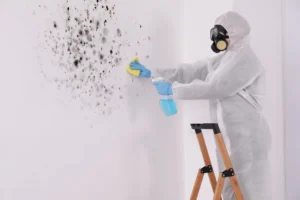
Professional contractors can conduct thorough inspections that identify hidden pollutant sources a homeowner might miss entirely. Certified indoor environmental consultants and mold remediation specialists use calibrated equipment to measure particulate matter, VOC concentrations, CO2 levels, and biological contamination. Addressing mold contamination, for example, is not a DIY project since disturbing mold without containment protocols can spread spores throughout the home.
Connecting with a vetted mold remediation professional through contractor mold services gives homeowners access to specialists who follow industry-standard containment and removal procedures on how to improve indoor air quality naturally.
How Does Your HVAC System Affect Indoor Air Quality?
Your HVAC system is the lungs of your home, and when it is dirty, undersized, or poorly maintained, it actively degrades the air your family breathes. A clogged filter forces the system to recirculate dust, allergens, and biological contaminants instead of capturing them. Dirty ductwork can harbor mold colonies and accumulated debris that get pushed into every room each time the system cycles. Inadequate ventilation allows CO2 and humidity to build up, creating an environment where mold and bacteria thrive.
The connection between HVAC performance and air quality is direct and measurable. Filters rated MERV 8 through MERV 13 capture fine particles that standard fiberglass filters simply pass through. Whole-home humidifiers and dehumidifiers integrated into the HVAC system help maintain the 30 to 50 percent relative humidity range that suppresses dust mite and mold growth. Energy recovery ventilators can introduce fresh outdoor air without wasting conditioned air, solving the ventilation problem in tightly sealed modern homes.
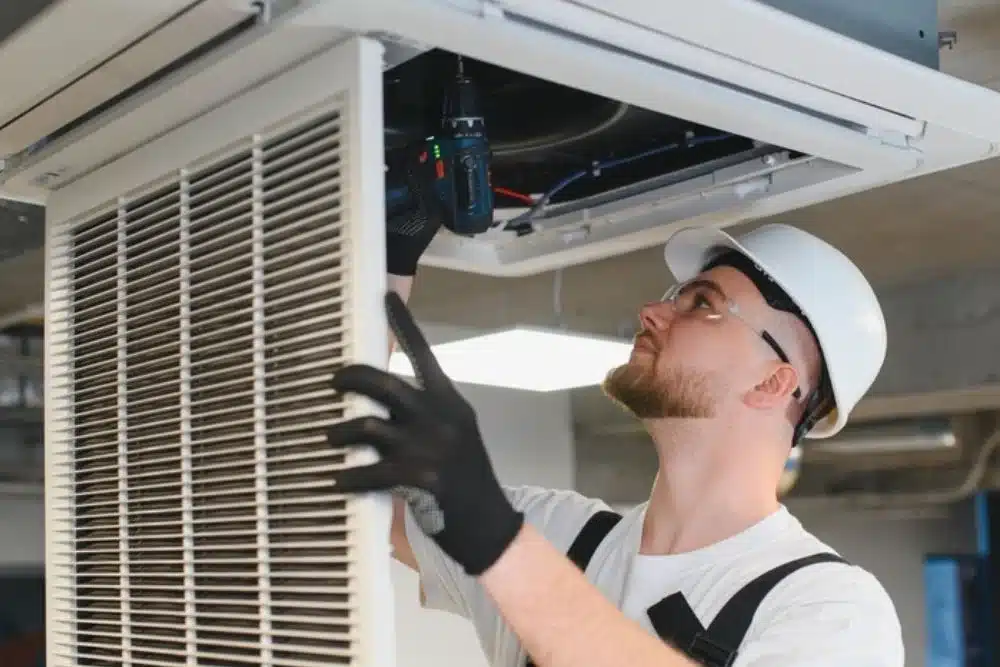
Scheduling a professional HVAC inspection at least once a year is the single most impactful maintenance step most homeowners overlook. A certified technician will clean coils, assess duct integrity, verify proper airflow, and recommend filtration upgrades tailored to your home’s specific conditions. Learning more about what a thorough checkup should include is straightforward when asking is your home due for an annual HVAC inspection.
Catching small problems early, like a cracked heat exchanger or a refrigerant-related airflow issue, prevents the kind of air quality degradation that leads to health complaints.
Which Natural Solutions Help Remove Allergens and Pollutants Indoors?
Natural air quality improvements work best as a comprehensive system rather than isolated fixes. Opening windows on opposite sides of the home for cross-ventilation dilutes indoor pollutants faster than any air freshener ever could.
Houseplants such as snake plants, peace lilies, and golden pothos absorb some airborne toxins and add oxygen, though they work most effectively as one component of a broader strategy. Switching from synthetic cleaning products to vinegar and baking soda-based solutions eliminates a significant source of ongoing VOC exposure without sacrificing cleaning effectiveness.
Simple behavioral changes also make a substantial impact on air quality. Enforcing a no-shoes policy at the door prevents outdoor pesticides, pollutants, and biological material from entering the home. Vacuuming with a HEPA-filter vacuum twice per week removes allergens from carpets before they become airborne.
Activated charcoal bags placed in closets, bathrooms, and near pet areas passively absorb odors and airborne toxins without releasing any chemicals. Keeping indoor humidity between 30 and 50 percent is one of the most effective natural ways to prevent mold growth and reduce dust mite populations.
Here are the most effective natural steps homeowners can take to reduce indoor pollutants consistently:
- Open windows daily for cross-ventilation, even for just 10 to 15 minutes
- Replace synthetic air fresheners and candles with beeswax candles or essential oil diffusers
- Use microfiber or damp cloths for dusting to trap particles instead of spreading them
- Introduce air-purifying plants in high-traffic rooms and near known pollution sources
- Place activated charcoal bags in areas with persistent odors or moisture concerns
- Upgrade HVAC filters to MERV 8 or higher and replace them on schedule
Even with consistent natural habits, some pollutant sources require professional assessment and remediation. A certified HVAC or indoor air quality professional brings diagnostic tools that can quantify exactly what you are dealing with and recommend targeted solutions.
When Should You Call a Professional to Test or Improve Air Quality?
Some air quality problems are simply beyond what household habits and natural remedies can address. If residents experience persistent respiratory symptoms, recurring headaches, unexplained fatigue, or allergy flare-ups that improve when leaving the home, these are clear signals that a professional evaluation is needed.
Musty odors, visible moisture stains, or peeling paint on walls and ceilings suggest mold or moisture intrusion that requires immediate expert attention. Any suspicion of radon or carbon monoxide, both odorless and invisible, should be tested with professional-grade equipment.
Professional indoor air quality testing involves monitoring PM2.5 particulate levels, VOC concentrations, CO2, humidity, and biological contaminants like mold spores. A Certified Indoor Environmental Consultant (CIEC) can produce a full report with actionable remediation priorities.
HVAC specialists can perform duct cleaning, seal leaks, and install whole-home filtration or ventilation upgrades. Mold remediation contractors follow containment, removal, and post-remediation verification protocols that protect occupants during and after treatment.
Avoiding common HVAC errors that worsen air quality is also essential, and understanding the most frequent HVAC mistakes homeowners make can help you prevent unnecessary damage. When it is time to get professional help, using a vetted matching platform removes the risk of hiring an unqualified contractor.
Professionals listed through platforms like American Home Quotes are pre-screened for licensing, insurance, and verified experience, so homeowners can request a quote with confidence. Many homeowners find it helpful to explore the full range of available HVAC services offered by licensed professionals before scheduling an appointment, ensuring they understand exactly what to ask for.
Frequently Asked Questions About Natural Indoor Air Quality Improvement
These are the most common questions homeowners ask when addressing air quality concerns at home:
-
What Causes Poor Indoor Air Quality in a Home?
The primary culprits are inadequate ventilation, combustion appliances like gas stoves and furnaces, VOC off-gassing from furniture and cleaners, and biological contaminants including mold, dust mites, and pet dander. Radon infiltration through foundation cracks and tobacco smoke residue also contribute significantly to air quality problems.
-
Can Poor Indoor Air Quality Affect Your Sleep?
Yes, research links poor indoor air quality to reduced sleep efficiency, difficulty falling asleep, and disrupted breathing patterns during the night. Controlling humidity, filtering allergens, and ensuring adequate ventilation in bedrooms can noticeably improve sleep quality.
-
What Are the Symptoms of Poor Air Quality at Home?
Common symptoms include persistent coughing, sneezing, eye irritation, sore throat, headaches, fatigue, and dizziness. A key sign that your home is the source is when symptoms consistently improve after you leave and return when you come back inside.
-
How Do You Test Indoor Air Quality at Home?
Smart indoor air quality monitors track PM2.5, VOCs, CO2, and humidity in real time and are a good starting point for most homeowners. For radon, mold, or complex chemical exposure, professional testing by a certified consultant provides the most accurate and actionable results.
-
Can Poor Air Quality Cause Fatigue and Nasal Congestion?
Yes, elevated concentrations of particulate matter, VOCs, and mold spores are well-documented triggers for chronic fatigue, brain fog, and nasal tissue inflammation that leads to congestion. Long-term exposure to these pollutants is also associated with a higher risk of developing chronic sinusitis.
-
How Long Does It Take to Recover From Indoor Air Pollution Exposure?
Healthy individuals typically begin to feel better within one to two weeks after the pollution source is removed and air quality is restored. Those with asthma, COPD, or heart conditions may take longer to recover, and chronic long-term exposure can cause health effects that require medical evaluation.
Key Takeaways on How to Improve Indoor Air Quality Naturally
- The most impactful natural air quality improvements combine daily ventilation habits, elimination of VOC-producing products, and consistent HVAC filter maintenance
- Common pollution sources inside homes include combustion appliances, chemical cleaners, VOC off-gassing from materials, biological contaminants, and radon
- Your HVAC system plays a central role in air quality, and annual professional inspections catch problems before they affect your family’s health
- Natural strategies like houseplants, activated charcoal bags, HEPA vacuuming, and a no-shoes policy provide measurable, chemical-free improvements
- Persistent symptoms such as headaches, fatigue, and respiratory irritation that resolve when away from home signal a need for professional testing and remediation
- Hiring licensed, vetted professionals for mold remediation, duct cleaning, or whole-home ventilation upgrades protects both your home and your family’s long-term health
Clean indoor air is not just about comfort. It has direct, documented effects on respiratory health, sleep, cognitive function, and long-term wellbeing. Consistent natural habits combined with professional maintenance create the most reliable and lasting results on how to improve indoor air quality naturally.
When your air quality concerns go beyond what DIY methods can resolve, working with a qualified contractor is the safest and most effective path forward. Call 1-877-648-1525 to speak with a representative, or visit American Home Quotes to get connected with pre-screened HVAC, mold, and indoor air quality professionals in your area.
American Home Quotes vets every contractor for licensing, insurance, and proven experience, so you can compare quotes and make a confident decision without the stress of searching on your own. Getting started is free and takes just minutes.
External Sources
- US EPA: Introduction to Indoor Air Quality
- BrokerCalls: Invest and Buy Quality HVAC Leads
- BrokerCalls: HVAC Leads