When a roof fails prematurely, the cause can almost always be traced back to preventable errors made during installation, inspection, or contractor selection. Understanding the top roofing mistakes homeowners make gives you a real advantage before a project starts, not after it goes wrong. Poor workmanship, substandard materials, and skipped inspections all compound over time, turning a manageable repair into a full replacement that costs tens of thousands of dollars. Hiring a licensed, vetted roofing professional from the start protects your home, your budget, and your peace of mind.
What Happens When Homeowners Choose the Wrong Roofing Contractor?
Choosing the wrong roofing contractor is one of the most financially damaging decisions a homeowner can make. Unlicensed or unvetted contractors frequently cut corners in ways that aren’t visible until water is already seeping into your attic or shingles are lifting after the first serious storm. Warning signs of a bad hire include door-to-door solicitation after storms, vague written estimates, demands for large upfront deposits exceeding 30% of the project total, and refusal to pull the required permits. A contractor who can’t produce proof of insurance and local licensing is a significant liability for you as the homeowner.
Professional, vetted contractors bring more than tools to the job. They carry liability insurance and workers’ compensation coverage, provide itemized contracts, and are accountable to local building codes that protect your home’s structural integrity. Reputable roofers will never offer to waive your insurance deductible or pressure you into signing the same day they show up. They also provide two distinct warranties: one for the materials themselves and one for their labor. When you need a trustworthy professional fast, platforms that pre-screen contractors for credentials and reviews make the vetting process significantly faster and safer than searching independently.
Using American Home Quotes to find a qualified local roofing contractor gives you access to professionals who have already been screened for licensing, insurance, and customer satisfaction. Instead of sorting through reviews from strangers, you get matched with contractors who meet consistent baseline standards. That head start means less risk of fraud, fewer delays, and greater confidence that the work will be done right the first time.
Why Skipping a Roof Inspection Before Repairs Is a Costly Mistake?
Many homeowners jump straight to repairs without first understanding the full scope of what their roof actually needs. Skipping a professional inspection before authorizing work means you could be patching surface problems while underlying issues like rotted decking, faulty flashing, or compromised ventilation continue to worsen. A licensed inspector evaluates every component of the roofing system, not just what’s visible from the ground. Without that baseline assessment, contractors may quote and complete only partial repairs, leaving the structural vulnerabilities that caused the damage in the first place.
A thorough roof inspection typically covers shingle condition, flashing integrity around chimneys and vents, gutter attachment, attic ventilation, and the condition of the underlayment. These are all systems that interact with each other, and failure in one area accelerates deterioration across the rest. Scheduling a professional roof inspection before any repair work begins gives you an accurate picture of your roof’s current condition and helps you avoid paying for repairs that won’t solve the actual problem. Inspections also create a documented record that supports future insurance claims if storm damage occurs.
Professional inspectors trained by reputable roofing contractors know exactly what to look for and where problems typically originate. They use that knowledge to provide a prioritized repair plan rather than a reactive patch job. Homeowners who invest in inspections consistently spend less on long-term roofing costs because problems are identified early, when they’re still manageable. Connecting with a vetted inspector through a trusted matching platform gives you confidence that the professional showing up actually has the qualifications to assess your roof accurately.
How Does Ignoring Minor Roof Damage Lead to Expensive Replacements?
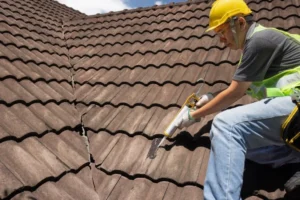
A missing shingle or a small area of granule loss might seem cosmetic, but minor roof damage almost never stays minor for long. Water is relentless. Once it finds a path past the outer protective layer, it begins saturating the underlayment, rotting the decking beneath, and eventually penetrating your home’s insulation and ceiling materials. By the time a homeowner notices interior water stains, the damage has typically been progressing for weeks or months. That progression is what turns a $500 repair into a $15,000 or more full replacement.
Catching damage early requires knowing what warning signs to watch for on a regular basis. The following indicators should prompt an immediate call to a licensed roofing professional:
- Shingles that are curling, buckling, or losing visible granules
- Flashing that is cracked, separated, or showing rust around chimney bases or skylights
- Unexplained increases in energy bills, which may signal failing attic ventilation
- Dark staining or soft spots in attic ceiling materials
- Visible daylight through the roof deck when viewed from inside the attic
Ignoring these signals extends damage into the roof’s structural framework, making the eventual repair far more labor-intensive and expensive. Understanding the clear signs that indicate a roof replacement is needed helps homeowners make informed decisions before a partial repair is no longer a viable option. Vetted contractors can assess whether repair or replacement is truly the most cost-effective path forward, giving you honest guidance rather than an upsell.
What Roofing Material and Installation Errors Shorten Roof Lifespan?
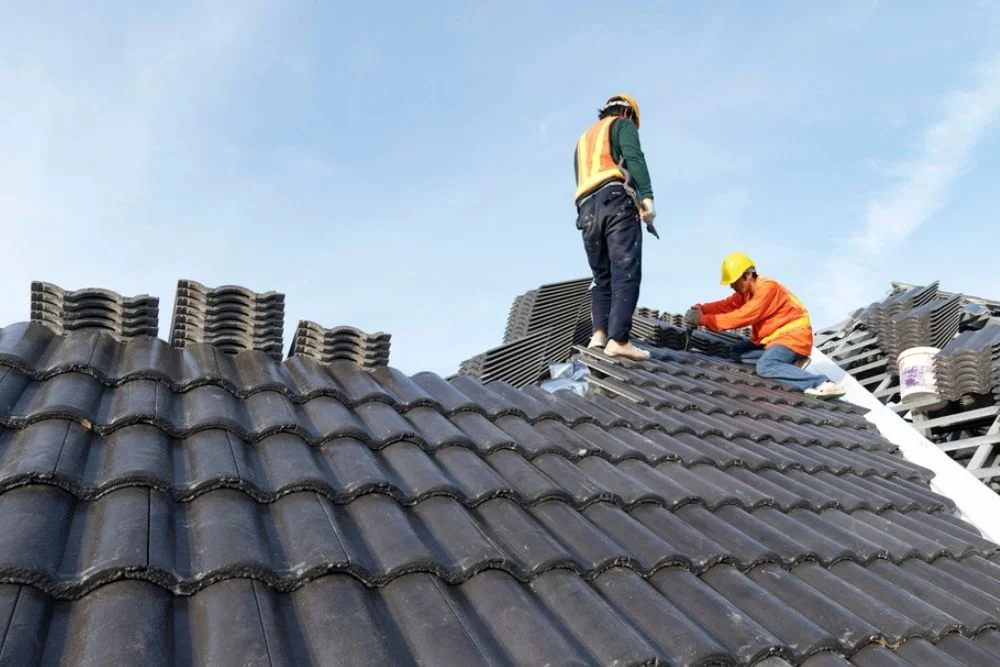
Even the highest-quality roofing materials will fail ahead of schedule if they’re installed incorrectly. Common installation errors include improper nail placement, insufficient overlap between shingle courses, missing or incorrectly applied underlayment, and poor flashing installation around penetrations. These mistakes are often invisible at first glance but create weak points that allow water infiltration, wind damage, and premature shingle failure. A roof installed without proper attention to these details may start failing in as few as five to ten years, well short of its rated 25 to 30-year lifespan.
Material selection also plays a major role in long-term performance. Architectural asphalt shingles from established manufacturers like GAF, Owens Corning, and CertainTeed consistently outperform budget brands in durability and wind resistance. Lighter-colored shingles reflect more UV radiation, reducing thermal stress in hot climates and extending overall shingle life. Using mismatched or incompatible products together, such as pairing a premium shingle with a low-grade underlayment, defeats the purpose of the better material. Experienced roofing contractors understand these compatibility requirements and source products that work as a complete system.
Hiring professionals who understand both material specifications and local building codes is essential to getting the full value out of your roofing investment. A contractor who installs two layers of shingles over existing material may save you money upfront, but creates added weight, traps heat and moisture, and typically voids the manufacturer’s warranty. Finding a reliable professional who will do the job right from the start is easier when you use a pre-screened contractor network. You can connect with experienced local roofers and learn exactly how to find a reliable roofing contractor near you by comparing vetted options in your area. Proper installation, verified credentials, and the right materials are the three pillars of a roof that actually lasts.
Frequently Asked Questions About Roofing Mistakes and Contractor Selection
Homeowners navigating roofing repairs and contractor decisions often have similar questions, and the answers below address the most common concerns:
-
How Can You Tell if a Roofing Job Was Done Poorly?
Look for shingles that are uneven, buckling, or inconsistent in color and texture across the roof surface. Other clear indicators include exposed nail heads, improper flashing around chimneys and vents, and misaligned shingle courses that break the pattern of uniform staggering.
-
What Are the Warning Signs of a Dishonest Roofer?
Roofers who show up unsolicited after storms, demand more than 30% upfront, offer to waive your insurance deductible, or refuse to provide proof of licensing and insurance should be avoided. Legitimate contractors give detailed written estimates, pull permits as required, and never pressure you to sign immediately.
-
Is It a Problem to Add a Second Layer of Shingles Over the Existing Ones?
While most local codes technically allow a maximum of two shingle layers, it is strongly discouraged by roofing professionals. The added weight, trapped heat and moisture, hidden damage underneath, and voided manufacturer warranties make it a shortsighted cost-saving measure that increases long-term expenses.
-
Which Shingle Brands Are Generally Considered the Most Reliable?
GAF, Owens Corning, and CertainTeed are consistently ranked as top performers, with premium product lines rated for 30 to 50 years of service life. These brands back their products with strong manufacturer warranties and have well-established contractor certification programs that ensure proper installation.
-
What Do Insurance Adjusters Look for When Inspecting a Roof?
Adjusters focus on distinguishing sudden event damage, such as hail impacts or wind-lifted shingles, from gradual wear and deterioration that would not be covered under most policies. They also examine metal components like vents and flashing for signs of storm-related compromise versus long-term neglect.
-
How Long Does a Standard Asphalt Shingle Roof Actually Last?
Most architectural asphalt shingle roofs are rated for 25 to 30 years, but real-world lifespan often falls shorter due to poor attic ventilation, extreme temperature cycles, and substandard installation. A roof installed by a certified contractor with quality materials and proper ventilation is far more likely to reach its full rated lifespan.
Key Takeaways on Top Roofing Mistakes
- The most damaging top roofing mistakes include hiring unlicensed contractors, skipping pre-repair inspections, ignoring early warning signs of damage, and using incompatible materials.
- A professional roof inspection before any repair work begins identifies hidden issues that patch jobs alone will never fix.
- Small, visible roof damage like granule loss, curling shingles, or cracked flashing signals deeper problems that worsen rapidly without prompt professional attention.
- Material quality and proper installation technique together determine whether a roof reaches its full rated lifespan or fails years early.
- Vetted contractor platforms reduce the risk of fraud, incomplete work, and warranty-voiding shortcuts by connecting homeowners with pre-screened professionals.
- Legitimate roofing contractors provide itemized contracts, carry verifiable insurance, pull required permits, and offer separate material and labor warranties.
Your roof is one of the most important structural investments your home has. Protecting that investment means making informed decisions at every stage, from contractor selection through final inspection. Small oversights during any phase of a roofing project can shorten the system’s lifespan by years and dramatically increase future costs.
When you’re ready to move forward with a roofing repair or replacement, don’t navigate it alone. Contact American Home Quotes or call 1-877-299-0515 to get matched with pre-screened, licensed roofing contractors in your area. American Home Quotes takes the guesswork out of finding qualified professionals by vetting contractors for licensing, insurance, and customer reviews before connecting them with homeowners. Getting multiple quotes is free, there’s no obligation, and it’s the fastest way to make a confident roofing decision.
External Sources
- BrokerCalls : How Pay-Per-Call Generates Quality Roofing Leads in 2024
- BrokerCalls : Roofing Leads | BrokerCalls
- BrokerCalls : Everything You Need to Know About Generating Roofing Leads | BrokerCalls