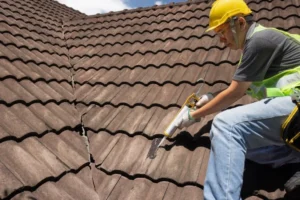
When a storm tears through your neighborhood and leaves your roof battered, knowing how to claim roof damage on insurance can mean the difference between a fully funded repair and thousands of dollars out of pocket. Most homeowners’ policies cover sudden damage caused by wind, hail, or falling objects, but the process requires careful documentation, timely action, and a clear understanding of your policy’s terms.
Mistakes made in the first few days after damage occurs can reduce your payout or get your claim denied entirely. Working with a licensed roofing contractor from the start protects both your home and your financial recovery.
What Steps Should You Take Immediately After Roof Damage Occurs?
The hours immediately following a storm or sudden roof damage are critical. Your first priority is safety: stay out of rooms where ceilings appear to be sagging or where water is actively leaking near electrical fixtures. Once the immediate hazard is addressed, contact a licensed roofing professional to perform an emergency inspection before you attempt any repairs yourself.
A qualified contractor can place temporary tarps or boarding to stop additional water intrusion, which is important because insurers expect policyholders to take reasonable steps to prevent further damage after a loss event.
How to claim roof damage on insurance? After securing the property, notify your insurance company promptly. Most policies require you to report damage within a specific window, and delays can complicate or invalidate your claim. Pull out your policy documents and review your deductible, coverage type (replacement cost value versus actual cash value), and any exclusions that may apply.
Keeping a written log of every phone call, email, and interaction with your insurer from day one creates a paper trail that supports your position throughout the claims process.
Finding reliable help quickly is often the hardest part for homeowners, especially after a major regional storm when contractors are in high demand. Through emergency roof repair services matched through a vetted platform, you can connect with pre-screened professionals who respond fast and carry the proper licensing and insurance to do the work safely. Acting quickly with the right contractor on your side sets the entire claims process up for success.
How Do You Document Roof Damage to Support a Strong Insurance Claim?
Strong documentation is the backbone of a successful roof insurance claim. Without it, adjusters have little evidence to support approving full replacement or repair costs, and insurers may default to lower estimates. Begin documenting damage as soon as it is safe to do so, using a smartphone or camera to capture timestamped photos and videos from multiple angles. Focus on impact marks, missing shingles, dented gutters, lifted flashing, and any interior signs of water intrusion such as stained ceilings or wet insulation in the attic.
A professional roof inspection report from a licensed contractor adds significant weight to your claim. Contractors are trained to spot damage that homeowners and even some insurance adjusters might miss, including granule loss, cracked decking, and compromised seals around vents and chimneys. Their written assessment can serve as an independent second opinion if the insurance adjuster’s estimate falls short. Keeping all receipts for emergency repairs, such as tarping or temporary patching, also matters because those costs may be reimbursable under your policy.
The complete documentation package you should bring to the claims process includes the following key items:
- Timestamped photos and videos taken immediately after the damage event
- A written inspection report from a licensed roofing contractor
- An itemized repair or replacement estimate from a qualified professional
- Receipts for any emergency repairs or protective measures already taken
- Your full insurance policy and declarations page
- A written log of all communications with your insurer
Understanding what adjusters look for when they inspect your roof helps you prepare more thoroughly. You can get detailed guidance on how to spot roof storm damage before your adjuster arrives so you walk into the inspection fully prepared. The more organized and thorough your evidence, the more leverage you have in the claims negotiation.
What Role Does a Licensed Roofing Contractor Play in the Claims Process?
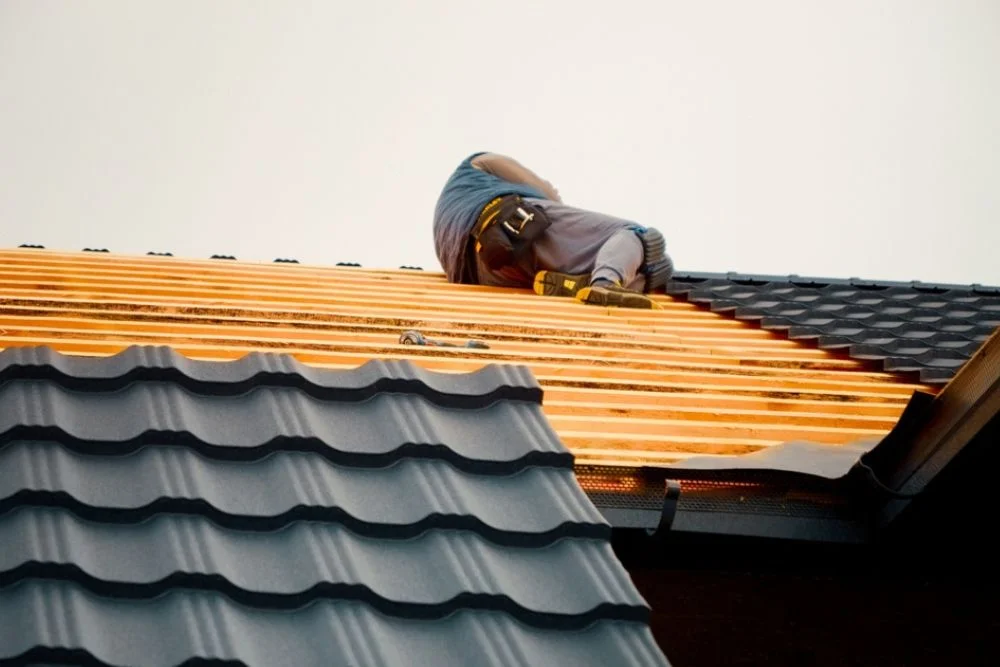
Most experts recommend contacting a trusted roofing professional before you file your claim, and for good reason. A licensed contractor performs a thorough damage assessment that goes beyond surface-level observation, identifying hidden issues like compromised underlayment or damaged decking that could worsen quickly if left unaddressed.
This expert evaluation helps you understand the full scope of necessary repairs before the insurance adjuster visits, so you are not caught off guard by a low-ball estimate that only covers visible damage. Contractors also provide itemized written estimates that serve as a factual benchmark during negotiations with your insurer.
Beyond documentation, a licensed roofer acts as a professional advocate during the adjuster’s on-site inspection. They can walk the adjuster through their findings, point out damage that might otherwise be overlooked, and clarify repair standards that meet current building codes.
Some jurisdictions have rules, such as the 25% rule, that require entire roof sections to be upgraded to current code if more than a quarter of the surface is repaired within a 12-month period. A contractor familiar with local regulations ensures your repair plan accounts for these requirements upfront, which affects the total approved claim amount.
Hiring through a vetted contractor network removes the guesswork of finding someone reputable under pressure. Unvetted contractors who appear after major storms sometimes take deposits and disappear, or perform substandard work that voids your roof’s warranty. Reviewing your roof warranty coverage and what homeowners should know before repairs begin helps you choose a contractor whose work keeps your warranty intact. A properly licensed professional protects your investment from the repair phase all the way through to the final insurance payout.
What Common Mistakes Can Void Your Roof Insurance Claim?
Even homeowners with legitimate storm damage can have their claims denied or reduced because of avoidable errors. One of the most damaging mistakes is making statements to your insurer or adjuster that admit fault, suggest the damage is minor, or hint at pre-existing neglect.
Phrases like “my roof was old anyway” or “it has been leaking for a while” can give an insurer grounds to classify the damage as a maintenance issue rather than a covered event, which is not covered under most standard homeowners’ policies. Stick to factual descriptions of the specific storm event and the visible damage it caused.
Missing filing deadlines is another common and entirely preventable error. Depending on your insurer, you may have as little as 30 days to file, though most policies allow up to one year from the date of loss. Waiting too long also allows weather and additional wear to blur the line between storm damage and normal deterioration, making it harder to prove your case.
Similarly, signing documents you do not fully understand or accepting a settlement check before reviewing the full scope of required repairs can close your claim prematurely, leaving you responsible for costs your policy should have covered.
Hiring an unlicensed or unvetted contractor is a risk that can compound your problems significantly. If poor workmanship causes additional damage after the repair, your insurer may deny future claims related to that area of the roof. Using a platform that pre-screens professionals for valid licenses, insurance, and verified customer reviews eliminates this risk.
You can connect with qualified local roofers and find a reliable roofing contractor near you who will handle the work correctly the first time and protect the integrity of your insurance claim from start to finish.
Frequently Asked Questions About Roof Insurance Claims
These are some of the most common questions homeowners ask when navigating the roof damage claims process:
-
Should I Call a Roofer or My Insurance Company First?
Most professionals recommend calling a licensed roofer before contacting your insurer so you have an independent damage assessment in hand. That report strengthens your claim and helps ensure you are not left relying solely on the insurance company’s adjuster for the repair scope.
-
What Documentation Do I Need to File a Roof Damage Claim?
You will need timestamped photos and videos of the damage, a professional inspection report, an itemized repair estimate, and receipts for any emergency work already completed. Having your policy documents and a log of all insurer communications ready will also support a smoother claims process.
-
How Long Do I Have to File a Roof Damage Claim?
Time limits vary by insurer and state, with some companies requiring notice as quickly as 30 days after the loss event. Most policies allow up to one year from the date of damage, so reviewing your specific policy terms immediately after an incident is essential.
-
Can My Insurance Company Pay for a Full Roof Replacement?
Yes, if the damage was sudden and caused by a covered event such as a hailstorm, high winds, or a falling tree, your policy may cover a full replacement. Damage attributed to age, general wear, or lack of maintenance is typically excluded from coverage.
-
What Do Insurance Adjusters Look for During a Roof Inspection?
Adjusters examine the roof for hail impact marks, wind-lifted or missing shingles, granule loss in gutters, damaged flashing, and signs of water intrusion in the attic or on interior ceilings. They also assess the age and overall condition of the roof to determine whether the damage is storm-related or gradual deterioration.
-
What Are Common Reasons Roof Insurance Claims Get Denied?
Claims are frequently denied due to pre-existing damage, evidence of poor maintenance, missed filing deadlines, or insufficient documentation supporting the cause of loss. Cosmetic damage exclusions and installation defects are also cited by insurers as grounds for rejection.
Key Takeaways on How To Claim Roof Damage on Insurance
- Act immediately after storm damage by securing the property with a licensed contractor and notifying your insurer promptly to preserve your claim eligibility.
- Thorough documentation, including photos, a professional inspection report, and an itemized estimate, is the most important factor in a successful claim outcome.
- Calling a licensed roofer before the adjuster visits gives you an independent assessment that can prevent undervalued settlements.
- Avoid statements that imply pre-existing neglect or minimized damage, since these can give insurers grounds to deny coverage.
- Hiring unlicensed or unvetted contractors after a claim creates new liability and can void warranties or trigger future claim denials.
- Understanding the full process of how to claim roof damage on insurance, from documentation to contractor selection, protects both your home and your financial recovery.
Navigating a roof insurance claim is stressful, but having the right professionals in your corner makes every step more manageable. A licensed contractor’s documentation and expertise can be the deciding factor between a full payout and a costly shortfall. Taking the right steps early, and avoiding common missteps, gives your claim the strongest possible foundation.
When you are ready to move forward, American Home Quotes connects homeowners with pre-screened, licensed roofing contractors who understand the insurance claims process inside and out. Every professional in the network is vetted for credentials, insurance, and customer satisfaction, so you can hire with confidence.
Call 1-877-299-0515 to get matched with qualified local roofers who will help you document damage, work alongside your adjuster, and restore your roof correctly. Protect your home and your claim by starting with a contractor you can trust.
For additional contractor options and roofing resources, visit the roofing services hub at American Home Quotes to explore all available solutions for your home.
External Sources
- BrokerCalls: How Pay-Per-Call Generates Quality Roofing Leads in 2024
- BrokerCalls: Roofing Leads
- BrokerCalls: Can Roofing Contractors Get Leads Directly from Insurers?