Leaky ductwork is one of the most overlooked sources of energy waste in American homes. Air duct sealing closes the gaps, cracks, and disconnected joints in your home’s duct system so that conditioned air actually reaches the rooms it is meant to serve. Without a properly sealed system, your HVAC unit works harder, your utility bills climb, and some rooms never feel comfortable no matter how long the system runs.
Hiring a licensed HVAC professional ensures the job is done correctly the first time, using the right materials and techniques for your specific duct layout.
A qualified contractor will inspect your entire duct system, identify problem areas, and apply the appropriate sealing method based on whether your ducts are accessible or hidden behind walls. Professional results protect your investment, improve comfort throughout every room, and give you confidence that the work meets local mechanical codes.
What Does Air Duct Sealing Actually Involve?
Sealing your duct system is more than slapping tape over a gap. With a licensed air duct sealing HVAC technician, the process begins with a pressure diagnostic test, often called a duct blaster test, to measure exactly how much air is escaping and where the leaks are concentrated.
This data-driven approach eliminates guesswork and helps the contractor prioritize the repairs that will deliver the greatest efficiency gains. Without this diagnostic step, it is easy to miss significant leaks hidden at connections behind drywall or inside attic spaces.
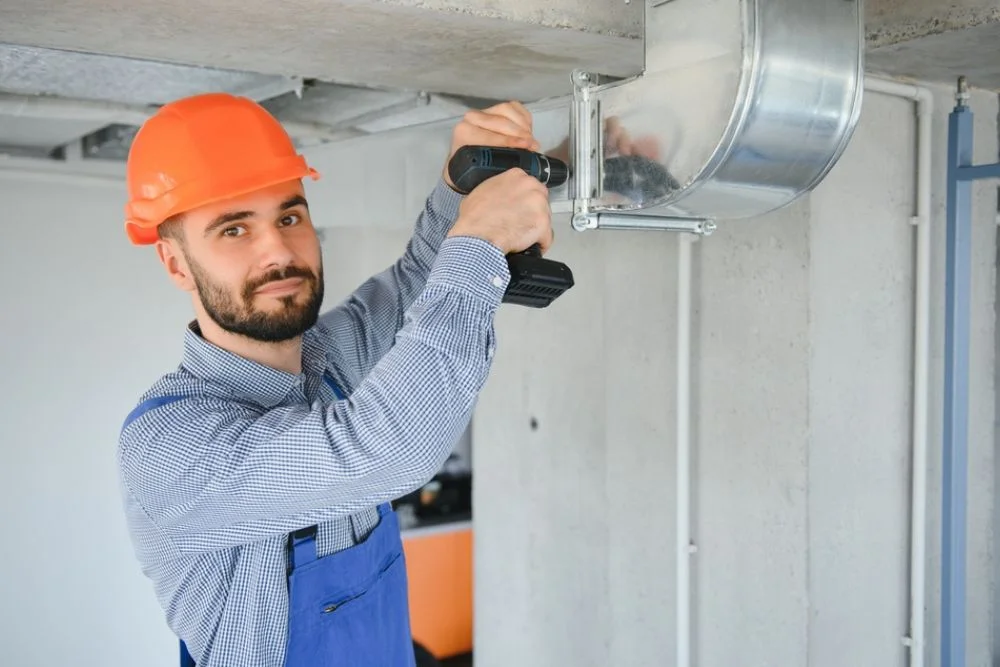
For accessible ductwork in basements, crawlspaces, and attics, contractors apply mastic sealant or UL-181-rated metal foil tape directly to joints and seams. These materials bond tightly to sheet metal and flex duct, creating a durable, airtight seal that standard cloth duct tape simply cannot provide. For leaks inside walls or under floors, professionals use the Aeroseal system, which injects a pressurized aerosol polymer into the duct network.
The particles collect and bond at leak points from the inside, sealing gaps that would otherwise be impossible to reach without tearing open walls. You can explore the full range of professional options available through vetted HVAC services that match your home’s specific needs and budget.
Choosing the right contractor matters because improper sealing can restrict airflow, void equipment warranties, or even create pressure imbalances that damage the HVAC unit. A vetted professional understands duct sizing principles, code requirements under the International Mechanical Code, and how to sequence repairs so the system performs as designed. The cost for professional sealing typically falls between $500 and $4,000 depending on home size, accessibility, and the method used, making it a cost-effective investment compared to years of wasted energy.
How Can Leaky Ducts Raise Your Energy Bills?
Research consistently shows that leaky ductwork can waste between 20 and 30 percent of the conditioned air your HVAC system produces. That means for every dollar you spend heating or cooling your home, as much as 30 cents is conditioning unconditioned space like your attic or crawlspace rather than your living areas.
Over a single heating and cooling season, that waste adds up to hundreds of dollars for the average household. Sealing those leaks is one of the highest-return improvements a homeowner can make without replacing major equipment.
Leaky ducts also force your HVAC system to run longer cycles to compensate for the lost airflow. Extended run times accelerate wear on the blower motor, heat exchanger, and compressor, shortening the overall lifespan of equipment that can cost thousands of dollars to replace. A contractor who identifies and seals duct leaks early can extend your system’s service life significantly.
Understanding the full picture of how your system operates is easier when you review resources on finding the right HVAC system for your home’s efficiency goals.
Homeowners sometimes attempt DIY repairs with standard tape from a hardware store, but cloth duct tape dries out, loses adhesion, and fails within months under the temperature swings inside duct systems. Mastic and UL-181 foil tape applied by a professional adhere correctly and last for years.
If you are noticing rooms that are always too hot or too cold, inconsistent airflow at registers, or a sudden spike in monthly utility costs, a duct inspection should be one of your first calls. A licensed technician can quantify the leakage and give you a clear cost-benefit picture before any work begins.
Can Duct Sealing Improve Indoor Air Quality?
Your duct system does more than move temperature-controlled air. When ducts leak, they can pull in dust, insulation fibers, mold spores, pest debris, and outdoor pollutants from attics and crawlspaces, then distribute those contaminants throughout your living areas. Families with allergies, asthma, or young children are especially vulnerable to this invisible problem.
Sealing the duct system eliminates the pathways through which these particles enter, resulting in noticeably cleaner indoor air over time.
There is also an important safety dimension. Leaky ducts near gas-burning appliances like furnaces or water heaters can cause combustion gases, including carbon monoxide, to be drawn back into the living space through a process called backdrafting. A certified HVAC contractor inspects for these conditions as part of a thorough duct evaluation and takes the steps needed to eliminate the risk.
This is not a concern to troubleshoot alone, and it illustrates exactly why professional involvement is essential rather than optional. The EPA’s indoor air quality guidelines emphasize controlling pollutant sources at the point of entry, and sealed ductwork is one of the most direct ways to do that.
Sealed ducts also support better humidity control. When conditioned air stays in the duct system and reaches its intended destination, your HVAC equipment manages moisture levels more effectively. Excess humidity in unconditioned spaces like attics can encourage mold growth on duct surfaces, which then circulates spores into living areas if leaks are present.
Addressing duct integrity as part of a broader whole-home HVAC maintenance plan gives you a comprehensive defense against air quality problems that are difficult and expensive to remediate after the fact.
How Long Does Professional Duct Sealing Take?
Most professional duct sealing projects can be completed in a single day, though the exact timeline depends on the size of your home, the number of leaks identified, and the method being used. A standard mastic and foil tape repair on accessible ductwork in a typical single-story home generally takes four to eight hours from initial diagnostic testing through final verification.
Larger homes or systems with extensive hidden leaks requiring Aeroseal treatment may require a longer appointment window, but the process is still minimally disruptive and does not require you to vacate the home.
Professional contractors follow a structured workflow that keeps the project on schedule. The typical process looks like this:
- Pressure diagnostic testing to locate and measure all leaks before any work begins
- Sealing of accessible joints and seams with mastic sealant or UL-181 rated metal foil tape
- Aeroseal injection for leaks in hidden or inaccessible duct runs
- Post-sealing pressure test to verify that leakage has been reduced to acceptable levels
- Final system check to confirm airflow balance and equipment operation
Understanding the scope of the project upfront also helps homeowners plan for costs. Duct replacement, which may be recommended for systems older than 15 to 25 years, typically runs $3,200 to $8,500 for a 2,000 square foot home, while sealing alone costs considerably less. Knowing what type of system and condition of ducts you have can help determine the best path forward.\
If your home is due for new HVAC equipment, it is worth reviewing which type of air conditioner best fits your home before committing to a sealing-only approach on aging ductwork. Pairing new equipment with properly sealed ducts delivers the greatest long-term efficiency and comfort payoff.
Frequently Asked Questions About Duct Sealing and Home Comfort
Homeowners researching duct repairs consistently ask questions like these:
-
Is Sealing Your Ducts Actually Worth the Cost?
Yes, because leaky ducts waste 20 to 30 percent of conditioned air, driving up energy bills every month the problem goes unaddressed. Most homeowners recoup the sealing cost through energy savings within one to three years, depending on the severity of the leaks and local utility rates.
-
What Is the Best Method for Sealing Ducts?
Mastic paste or UL-181 rated metal foil tape works best on accessible joints in attics, basements, and crawlspaces. For leaks inside walls or under floors, the Aeroseal pressurized aerosol system is the most effective solution because it seals from the inside without requiring structural demolition.
-
Can I Seal My Own Ductwork?
Homeowners can apply mastic or UL-181 foil tape to visible, reachable duct joints as a DIY project for under $30 in materials. Hidden leaks and systems requiring pressure testing or Aeroseal treatment must be handled by a licensed professional for safe and effective results.
-
How Much Does Professional Duct Sealing Typically Cost?
Manual sealing generally runs between $500 and $2,250, while the Aeroseal method typically costs $1,300 to $3,000 depending on home size and accessibility. Key pricing factors include the number of leaks, the location of the ductwork, and whether diagnostic testing fees are included.
-
How Often Should HVAC Ductwork Be Replaced Instead of Sealed?
Most duct systems last 10 to 25 years, and sealing is the right choice for systems in reasonable structural condition. If ducts are collapsing, heavily corroded, or contaminated with mold, replacement is the more practical solution and is often timed to coincide with a new HVAC installation.
-
Does Sealing Ducts Protect Against Combustion Gas Backdrafting?
Yes, sealing leaks near gas-burning appliances reduces the pressure imbalances that can pull combustion gases, including carbon monoxide, back into living areas. A licensed HVAC contractor evaluates backdrafting risk during a duct inspection and addresses any hazardous conditions before completing the seal work.
Key Takeaways on Air Duct Sealing
- Air duct sealing closes gaps and leaks that waste 20 to 30 percent of your home’s conditioned air, directly reducing energy bills.
- Mastic sealant and UL-181 foil tape are the professional-grade materials for accessible ducts; Aeroseal handles hidden, inaccessible leaks.
- Properly sealed ducts improve indoor air quality by blocking dust, mold spores, and combustion gases from entering your living spaces.
- Most professional sealing projects are completed in a single day, with post-job pressure testing to verify the results.
- Costs range from $500 to $4,000 depending on method, home size, and accessibility, with a typical payback period of one to three years through energy savings.
- Systems older than 15 to 25 years may need replacement rather than sealing; a licensed contractor can assess which option is right for your situation.
Taking action on duct leaks is one of the smartest investments a homeowner can make in comfort and energy efficiency. Working with a vetted, licensed HVAC contractor ensures the job is done to code with materials that last, and that no safety risks like backdrafting or mold are overlooked. The diagnostic and sealing process is faster and less disruptive than most homeowners expect.
When you are ready to connect with a trusted local professional, American Home Quotes makes it simple to compare pre-screened HVAC contractors in your area at no cost and with no obligation. Every contractor in the network has been vetted for licensing, insurance, and customer satisfaction so you can hire with confidence. Call 1-877-648-1525 to speak with a representative and get matched with qualified professionals ready to evaluate your duct system today.
External Sources
- ENERGY STAR: Duct Sealing
- ENERGY STAR: Benefits of Duct Sealing
- U.S. Environmental Protection Agency: Indoor Air Quality (IAQ)