Keeping your home comfortable year-round depends on a system that most homeowners rarely think about until something goes wrong. Following proven HVAC maintenance tips helps your system run more efficiently, lowers your monthly energy bills, and prevents the kind of costly breakdowns that disrupt daily life.
Neglecting routine care can shorten a system’s lifespan from a healthy 15 to 20 years down to a decade or less. Hiring licensed, vetted professionals ensures that maintenance tasks are performed correctly, safely, and with the right diagnostic tools.
Many maintenance issues start small and become expensive fast. A clogged filter, a dirty coil, or a refrigerant imbalance can all quietly reduce efficiency before they escalate into a full system failure. Professional technicians catch these problems early, saving homeowners hundreds or thousands of dollars in emergency repair costs. Connecting with a pre-screened HVAC contractor puts expert eyes on your system before problems spiral out of control.
What Simple Maintenance Tasks Extend HVAC Lifespan?
HVAC maintenance tips – small, consistent actions make an enormous difference in how long your HVAC system lasts. One of the most impactful habits is replacing air filters on schedule, typically every 30 to 90 days depending on filter type and household conditions like pets or allergies.
A clogged filter forces the blower motor to work harder, raises energy consumption, and accelerates wear on internal components. Clearing debris from around the outdoor condenser unit, keeping at least two feet of clearance on all sides, allows the system to release heat properly and prevents overheating.
Checking that supply and return vents are unobstructed by furniture or rugs is another step homeowners often overlook. Blocked airflow creates pressure imbalances that strain the ductwork and cause uneven temperatures throughout the home.
Keeping vents open in unused rooms, contrary to a common misconception, actually reduces stress on the system rather than wasting energy. Many homeowners who explore professional HVAC care and system services discover that simple preventive steps combined with annual professional inspections dramatically extend equipment life.
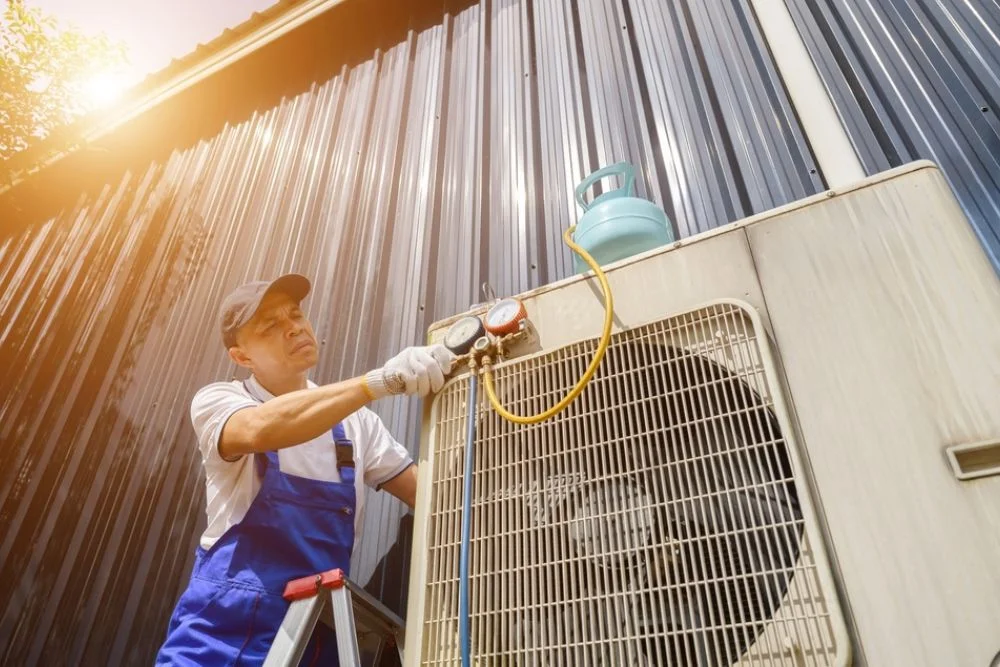
Licensed technicians bring diagnostic expertise that goes beyond what any checklist can capture. They test electrical connections, measure refrigerant levels, inspect the heat exchanger for cracks, and verify that the system is operating within manufacturer specifications.
These assessments protect both the equipment and the household’s safety, particularly when it comes to carbon monoxide risks from a failing heat exchanger. Scheduling this level of professional attention at least once a year is one of the most cost-effective investments a homeowner can make.
How Often Should Filters and Coils Be Cleaned?
Filters and coils are two of the hardest-working components in any HVAC system, and both require attention on a predictable schedule. Standard 1-inch fiberglass filters should be replaced every 30 days, while higher-efficiency pleated filters can last 60 to 90 days. Households with pets, multiple occupants, or allergy sufferers should replace filters more frequently to maintain healthy indoor air quality. Skipping filter changes is the single most common cause of preventable HVAC service calls.
Evaporator coils, located inside the air handler, collect dust and biological matter over time. A dirty evaporator coil reduces the system’s ability to absorb heat from indoor air, causing it to run longer cycles and consume more energy. Condenser coils on the outdoor unit accumulate dirt, pollen, and yard debris, which blocks heat dissipation.
Professional coil cleaning, ideally performed once per year during a scheduled tune-up, restores full heat-transfer efficiency and can cut energy consumption by as much as 15 percent. If you are considering an upgrade, learning about the advantages of ductless air conditioning systems may help you determine whether a more efficient setup suits your home.
Professionals use specialized coil-cleaning solutions and low-pressure rinses to remove buildup without damaging delicate fins. They also straighten bent fins with a fin comb, restoring proper airflow across the coil surface. This level of care is not practical for most homeowners to replicate safely with store-bought supplies.
Relying on a vetted HVAC technician for annual coil service protects the warranty on your equipment and keeps efficiency at the level the manufacturer designed.
Can Seasonal Tune-Ups Prevent Costly HVAC Repairs?
Seasonal tune-ups are one of the most reliable ways to avoid expensive emergency repairs. HVAC technicians inspect the system at the transition points of the year, once in spring before cooling season and once in fall before heating season, identifying worn parts before they fail under peak-demand conditions.
A capacitor that costs $15 to replace during a tune-up can lead to a compressor burnout worth $1,500 or more if it fails mid-summer. Preventive investment at the right time consistently outperforms reactive spending on emergency service calls.
During a professional tune-up, a qualified technician will typically complete the following tasks to keep the system performing at its best:
- Test and calibrate the thermostat for accurate temperature control
- Inspect and tighten all electrical connections to prevent arcing or failure
- Measure refrigerant charge and check for leaks
- Lubricate motors and moving parts to reduce friction wear
- Inspect the condensate drain line and clear any blockages
- Check heat exchanger integrity and test safety controls
Homeowners who schedule regular professional tune-ups also preserve their manufacturer’s warranty, which commonly requires documented annual maintenance. A lapse in maintenance history can void coverage on expensive components like the compressor or heat exchanger.
Finding a reliable technician through a pre-screened contractor platform removes the guesswork of choosing someone trustworthy. For homeowners curious about alternative system configurations, exploring information about rooftop HVAC unit advantages and applications can open options that a qualified professional can help evaluate.
When Should Homeowners Schedule Professional HVAC Maintenance?
Timing professional maintenance strategically ensures your system is ready before it faces its highest workload. Spring is the ideal time to service the cooling side of the system, giving a technician the chance to identify and resolve any issues before the first heat wave arrives.
Fall is the right window for heating-system inspections, verifying that the furnace or heat pump is ready to handle winter demands safely and efficiently. Booking early in these shoulder seasons also helps homeowners avoid the peak-demand scheduling crunch that leaves other residents waiting weeks for service.
Beyond scheduled tune-ups, certain warning signs signal that a professional should be called immediately. Unusual noises, short cycling, ice forming on the unit, rising energy bills without an obvious cause, and uneven temperatures throughout the home all indicate that the system needs professional attention.
The $5,000 rule is a useful decision-making tool: multiply the system’s age in years by the estimated repair cost, and if the result exceeds $5,000, replacement is usually the smarter financial choice. A qualified technician can provide an honest assessment of whether repair or replacement makes more sense for your specific equipment.
Choosing the right contractor matters as much as choosing the right timing. Unvetted technicians may misdiagnose issues, use incorrect refrigerants, or overlook safety hazards that a certified professional would flag immediately. American Home Quotes pre-screens HVAC contractors for licensing, insurance, and customer satisfaction history before connecting them with homeowners.
Visiting the platform’s HVAC services and contractor matching options makes it straightforward to find the qualified help your system needs without sorting through unverified listings on your own. When your system is approaching 10 to 15 years old, pairing regular maintenance with a professional evaluation of residential HVAC installation options gives you the information needed to plan ahead financially.
Frequently Asked Questions About HVAC Maintenance and Lifespan
Homeowners commonly share questions about system care, timing, and costs when evaluating their options:
-
What Is the $5,000 Rule for HVAC Systems?
Multiply your system’s age in years by the cost of the repair being quoted; if the result exceeds $5,000, replacing the system is usually the better financial decision. This simple formula helps homeowners avoid pouring money into aging equipment that will need replacement soon anyway.
-
What Is the Typical Life Expectancy of an HVAC System?
Central air conditioners and heat pumps generally last 10 to 15 years, while furnaces typically run 15 to 20 years with proper maintenance. Boilers can exceed 30 years, and ductless mini-split systems often outlast traditional central AC units when serviced regularly.
-
How Many Hours a Day Should a Home Air Conditioner Run?
On a typical summer day, a properly sized air conditioner runs 8 to 12 hours across multiple cycles of 15 to 20 minutes each. During extreme heat, 12 to 16 hours of daily runtime is normal and does not indicate a problem with the system.
-
Is It Better to Keep the AC Running All Day or Cycle It On and Off?
Rather than turning the system completely off, raising the thermostat 4 to 8 degrees Fahrenheit while you are away saves energy without putting extra strain on the equipment at startup. Using a smart thermostat on Auto fan mode delivers the best combination of comfort and efficiency throughout the day.
-
How Cool Should a House Be When It Is 100 Degrees Outside?
Setting the thermostat between 76 and 78 degrees Fahrenheit is the recommended target, since standard air conditioners are engineered to maintain a 15 to 25 degree differential from outdoor temperatures. Pushing the setpoint significantly lower on extremely hot days forces the system to run continuously and accelerates wear on compressor components.
-
At What Age Should Homeowners Consider Replacing Their HVAC System?
Systems that are 10 to 15 years old and requiring frequent or expensive repairs are strong candidates for replacement rather than continued service. Scheduling a professional evaluation at this stage gives homeowners the information needed to budget for a new system before an emergency failure forces a rushed decision.
Key Takeaways on HVAC Maintenance Tips
- Replacing filters every 30 to 90 days and keeping outdoor units clear of debris are the most impactful DIY maintenance steps homeowners can take.
- Professional coil cleaning performed annually can reduce energy consumption by up to 15 percent and prevents efficiency losses that add up over months of operation.
- Scheduling spring and fall tune-ups protects manufacturer warranties and catches failing components before they cause expensive emergency breakdowns.
- The $5,000 rule (age in years multiplied by repair cost) offers a practical benchmark for deciding between repair and full system replacement.
- Systems 10 to 15 years or older should receive a professional assessment to determine whether maintenance or replacement is the smarter long-term investment.
- Working with licensed, vetted contractors ensures safety, accurate diagnostics, and workmanship that meets manufacturer and code requirements.
A well-maintained HVAC system protects your home’s comfort, your indoor air quality, and your energy budget simultaneously. Consistent professional attention is the most reliable way to extend equipment life and avoid the disruption of unexpected failures.
When you are ready to connect with a qualified HVAC professional, American Home Quotes makes the process simple by matching homeowners with pre-screened, licensed contractors who have been vetted for quality and reliability. Every provider in the network carries proper licensing and insurance, so you never have to guess about credentials. Call 1-877-648-1525 to speak with a representative and get matched with a trusted HVAC professional in your area today for HVAC maintenance tips.
External Sources
- Energy Star: Heat & Cool Efficiently
- The Spruce: Www.Thespruce.Com