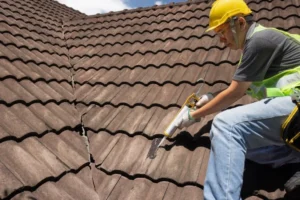
Flashing is the thin metal material installed around chimneys, vents, skylights, and roof valleys to seal the joints where water could seep into your home. When it fails, even a minor gap can allow water to penetrate the roof deck, insulation, and interior ceilings, sometimes causing thousands of dollars in structural damage.
Roof flashing repair is one of the most time-sensitive maintenance tasks a homeowner can face, because the window between a small leak and major water damage can be surprisingly short. Working with a licensed roofing contractor means the problem gets diagnosed correctly the first time, reducing the chance of recurring leaks or hidden moisture damage.
Attempting to patch flashing without proper training can mask underlying issues rather than fix them, leading to bigger repair bills down the road. A vetted professional has the tools, materials, and code knowledge to make lasting repairs safely, protecting your investment and your family.
What Is Roof Flashing and Why Does It Matter?
Roof flashing is a critical layer of protection made from thin sheets of metal, typically aluminum, galvanized steel, copper, or lead, installed wherever the roof meets a vertical surface or changes direction. These roof flashing repair transition points are the most vulnerable spots on any roof because water naturally collects and pushes into any available gap.
Without properly installed flashing, rainwater works its way under shingles, rots the wood decking, soaks insulation, and eventually drips into your living space. The material acts as a waterproof bridge that directs water away from seams and toward your gutters.
Different areas of the roof require different flashing configurations. Step flashing runs along the sides of chimneys and dormers in overlapping L-shaped pieces. Valley flashing lines the low channels where two roof slopes meet. Pipe boots and collar flashing seal around plumbing vents.
Each type serves a specific waterproofing function, and a failure in any one of them creates a direct path for moisture intrusion. Understanding these distinctions matters because the repair approach changes depending on the location and material involved.
The lifespan of flashing varies considerably by material. Aluminum typically lasts 15 to 20 years, galvanized steel can last 15 to 40 years with proper maintenance, and copper can last 50 to 90 years. Knowing when your flashing was last replaced helps you assess whether a repair will hold or whether full replacement is the smarter investment. You can explore detailed guidance on why regular residential roof inspections are necessary to catch flashing deterioration before it becomes a costly emergency.
What Are the Common Signs Flashing Needs Repair?
Flashing problems are not always visible from the ground, which is one reason they often go undetected until a leak appears inside the home. By that point, water has usually been infiltrating the structure for weeks or months. Knowing the early warning signs helps you act before damage spreads. A roofing contractor can identify these signs during an inspection and determine whether a repair or full replacement is the right course of action.
The most frequently reported flashing problems fall into recognizable categories that homeowners should watch for:
- Visible rust, corrosion, or pitting on the metal surface around chimneys or vents
- Cracked, dried, or missing caulk and sealant along flashing edges
- Lifted, bent, or separated flashing pulling away from the chimney or wall
- Water stains on interior ceilings directly below roof transitions or skylight edges
- Granule buildup in gutters near valleys, which signals shingle and flashing wear
- Gaps or daylight visible under flashing when viewed from the attic
Any one of these indicators warrants a professional assessment. Contractors experienced with roofing systems use moisture meters, infrared scanning, and direct visual inspection to trace the exact point of entry. What looks like a ceiling stain in the hallway may actually originate at a chimney flashing located several feet away, since water travels along rafters before dripping down. Getting the diagnosis right is the only way to ensure the repair solves the actual problem.
How Do Contractors Repair or Replace Roof Flashing?
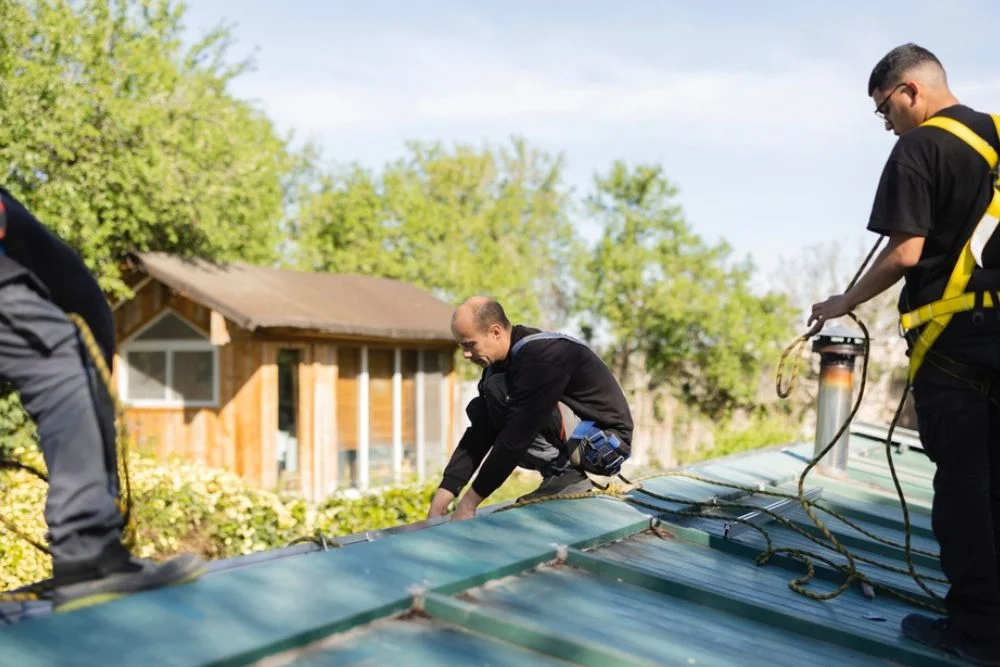
Professional flashing repairs follow a systematic process that protects both the roof structure and the integrity of surrounding shingles. A contractor begins by safely accessing the roof and thoroughly inspecting the damaged area, checking not just the visible metal but also the underlying felt paper, wood decking, and shingle condition nearby. This full-picture assessment prevents the common mistake of patching visible metal while ignoring rotted decking underneath.
Once the scope of work is defined, the repair process typically unfolds in a clear sequence. For minor issues like dried sealant or a slightly lifted edge, a contractor will clean the surface, apply fresh polyurethane roofing caulk, and re-secure the metal with roofing nails. For more significant damage, full section replacement is necessary.
This involves carefully prying up surrounding shingles without breaking them, removing the compromised flashing, cutting new metal to size, sliding it into position with the correct overlap, nailing it at the high point of each piece, and sealing all edges before relaying the shingles.
Step flashing replacement, in particular, requires weaving new pieces between each course of shingles, a process that demands patience and precision to maintain a watertight seal. Costs for professional repairs generally range from $200 to $600 for a single area, with chimney and skylight repairs running higher due to complexity.
For a broader cost perspective, reviewing the average cost of roof replacement by material helps homeowners budget accurately when flashing damage is extensive enough to warrant larger work.
Hiring a licensed contractor for this work is not just about quality. It is about safety and liability. Roof work carries real fall risks, and a properly insured professional carries workers’ compensation coverage that protects you from liability if an accident occurs on your property.
American Home Quotes connects homeowners with pre-screened roofing contractors who carry the appropriate licensing and insurance, so you are never left guessing whether the person on your roof is qualified.
Can Faulty Flashing Lead to Bigger Roof Problems?
Left unaddressed, failed flashing creates a cascade of damage that grows more expensive with every passing rainstorm. Water entering through a compromised flashing joint saturates the wood roof deck, causing it to soften, warp, and eventually rot.
Once the decking is compromised, the structural integrity of the entire roof section is at risk, and a simple flashing fix becomes a full deck replacement project. Mold and mildew follow moisture quickly, and remediation adds another significant expense on top of the structural repairs.
Interior damage compounds the problem further. Persistent leaks ruin insulation, reduce its R-value, and allow moisture to reach drywall, framing, and electrical systems. Homeowners who delay repairs often find that a $300 flashing fix has evolved into a $5,000 or higher restoration project by the time they call a contractor. Timing matters enormously, and the cost of acting quickly is almost always a fraction of the cost of waiting.
Homeowners dealing with sudden, storm-related flashing failures can access urgent help through vetted contractors who specialize in rapid response. If a severe weather event tears away chimney flashing or damages valley metal, visiting the emergency roof repair services page connects you with professionals equipped to stop active leaks fast and prevent further structural harm.
American Home Quotes pre-screens every contractor in its network for licensing, insurance, and customer service history, so you get qualified help without the risk of hiring an unvetted provider during a stressful moment. Whether the damage is fresh or has been quietly building for months, connecting with a credentialed professional is always the right first step.
Frequently Asked Questions About Roof Flashing Repair and Costs
Homeowners commonly have questions about flashing damage, repair options, and what to expect from the process:
-
Can You Fix Damaged Flashing Yourself?
Minor issues like dried sealant or a slightly loose edge can sometimes be addressed with polyurethane caulk and roofing nails if you have basic DIY skills and proper safety gear. However, corroded metal, improper installation, or lifted step flashing typically require a licensed professional to ensure the repair is watertight and code-compliant.
-
How Much Does Professional Flashing Repair Typically Cost?
Most homeowners pay between $200 and $600 for a single-area professional repair, with chimney and skylight work sometimes reaching $800 or more due to complexity. Contractors often charge a minimum trip fee of $150 to $300 regardless of the job size, so bundling multiple small repairs in one visit can save money.
-
What Is the Lifespan of Different Flashing Materials?
Aluminum flashing generally lasts 15 to 20 years, while galvanized steel can last anywhere from 15 to 40 years depending on climate and maintenance. Copper is the longest-lasting option at 50 to 90 years, making it a worthwhile investment for homeowners planning to stay in their homes long-term.
-
Does Homeowners Insurance Cover Flashing Damage?
Insurance typically covers flashing damage only when it results from a covered peril such as a windstorm, hail, or falling debris. Damage caused by normal wear, poor maintenance, or faulty installation is usually excluded, so it is important to document storm events carefully when filing a claim.
-
What Are the Most Common Causes of Flashing Failure?
The most frequent causes include cracked or dried sealant, corrosion from prolonged moisture exposure, and improper installation that allows movement over time. Thermal expansion and contraction through seasonal temperature swings can also loosen nails and pull flashing away from the surfaces it is meant to protect.
-
Is It Worth Replacing Flashing at the Same Time as Shingles?
Replacing flashing during a full shingle job is almost always the smarter financial decision because labor costs are shared and the roof is already being accessed. Installing new shingles over deteriorated flashing simply delays an inevitable leak and adds future repair costs on top of the original investment.
Key Takeaways on Roof Flashing Repair
- Roof flashing repair is a time-sensitive issue because even small gaps allow water to damage decking, insulation, and interior finishes quickly.
- Flashing lifespan varies by material, from 15 years for aluminum to 90-plus years for copper, and knowing your material helps guide repair-versus-replace decisions.
- Common warning signs include rust, separated seams, dried caulk, and interior ceiling stains near roof transition points.
- Professional contractors follow a structured process, assessing the full damage area before cleaning, reseating, or fully replacing flashing sections.
- Delaying repairs allows water infiltration to escalate into rot, mold, and structural damage that costs far more to fix than the original flashing issue.
- Licensed, insured contractors protect homeowners from both poor workmanship and liability risks that come with hiring unvetted labor.
Flashing is one of the most underappreciated components of a healthy roof, and its condition directly determines how well your home handles rain and moisture over time. Acting at the first sign of trouble is always more affordable than waiting for visible interior damage to appear.
When you are ready to connect with a qualified professional, American Home Quotes makes it simple to find pre-screened roofing contractors in your area without any obligation. Every professional in the network is vetted for licensing, insurance, and customer satisfaction so you can hire with confidence.
Call 1-877-299-0515 today to get matched with a trusted local contractor and stop a small flashing problem before it becomes a major expense. You can also visit the roofing services page to explore the full range of repair and replacement options available through our network, and find the right solution for your specific situation.
External Sources
-
- National Roofing Contractors Association: Resources
- Better Business Bureau: Tips to find a reliable and trustworthy general contractor