Choosing the right flooring contractor can be one of the most important decisions you make for your home. Flooring is a long-term investment, and poor installation leads to warped boards, cracked tiles, and costly repairs that could have been avoided entirely.
Whether you are replacing worn-out carpet, upgrading to hardwood, or installing luxury vinyl plank, the quality of the installer matters just as much as the material itself. Working with a vetted, licensed professional ensures the job is done right the first time, protecting both your home and your budget.
The fastest way to avoid hiring the wrong installer is to connect with pre-screened professionals who have verifiable credentials, strong reviews, and transparent pricing. Vetted contractors bring the right tools, follow local building codes, and stand behind their work with warranties. That combination of accountability and expertise gives homeowners real peace of mind from the first day of installation.
What Should You Ask a Flooring Contractor Before Signing a Contract?
Before any work begins, asking the right questions protects you from misaligned expectations, hidden costs, and substandard workmanship. A trustworthy installer will welcome direct questions and provide clear, confident answers. If a contractor becomes evasive or discourages you from asking about licensing, insurance, or warranties, treat that as a serious warning sign. Taking 15 minutes to vet a contractor upfront can save thousands of dollars down the road.
Start by confirming the basics: Is the contractor licensed and insured in your state? Will they pull the necessary permits? What does their warranty cover, and for how long? You should also ask for an itemized written estimate that breaks down material costs, labor, subfloor prep, and removal of old flooring.
Knowing these numbers before signing prevents surprise charges at the end of the project. Platforms like American Home Quotes connect homeowners with professionals who are already pre-screened for these credentials, so you spend less time guessing and more time planning your project with confidence.
Before your first consultation, prepare a list of practical questions to guide the conversation. Knowing what to ask before hiring a local flooring contractor can help you separate serious professionals from those who cut corners. These key questions will help you evaluate any estimate you receive:
- Are you licensed, bonded, and insured in this state?
- Do you provide a written, itemized contract before starting?
- How do you handle subfloor issues discovered mid-project?
- What is your warranty on labor, and how do I make a claim?
- Who handles cleanup and old flooring disposal?
Asking these questions upfront ensures you are hiring someone who is prepared, professional, and accountable. You can find detailed guidance on what to ask before hiring a local flooring professional to go into your first contractor meeting fully prepared.
How Do You Compare Material and Labor Costs Between Contractors?
Pricing varies widely in the flooring industry, and understanding what drives that variation keeps you from overpaying or choosing the lowest bid for the wrong reasons. Labor alone typically runs between $2 and $8 per square foot, while combined material and labor estimates can range from $3 to $22 per square foot depending on the material type, room complexity, and subfloor condition.
A 1,000-square-foot LVP installation, for example, generally costs between $5,000 and $9,000 for mid-range quality and standard installation. A 2,000-square-foot project can run between $10,000 and $24,000 depending on material grade and site conditions.
Getting at least three quotes is the standard advice, but the real skill is knowing how to compare them accurately. Look for itemized breakdowns that separate material costs, labor, subfloor prep, and disposal fees. Vague lump-sum quotes make it impossible to identify what you are actually paying for and leave you vulnerable to scope creep once work begins. Avoid sharing your exact budget with contractors before receiving their estimate, as this can lead to inflated bids tailored to match your ceiling rather than reflect a fair market price.
When reviewing estimates, pay attention to material quality specifications, not just the price per square foot. A lower bid may reflect cheaper underlayment, thinner wear layers on LVP, or no subfloor leveling included. Ask contractors to match material grades across competing bids so you are truly comparing apples to apples.
American Home Quotes simplifies this process by delivering pre-screened contractor quotes in one place, making side-by-side cost comparisons straightforward and transparent. Visiting the flooring services available through American Home Quotes gives you a clearer picture of what professional installation covers and what to expect from your project.
What Flooring Types Require a Specialized Contractor?
Not all flooring installations are created equal, and choosing the wrong type of installer for a specific material can void manufacturer warranties, create structural problems, or result in a finish that fails prematurely. Some materials are more forgiving of DIY efforts or general handyman work, while others demand specialized tools, technical training, and deep product knowledge. Understanding which category your project falls into helps you hire with the right level of expertise the first time.
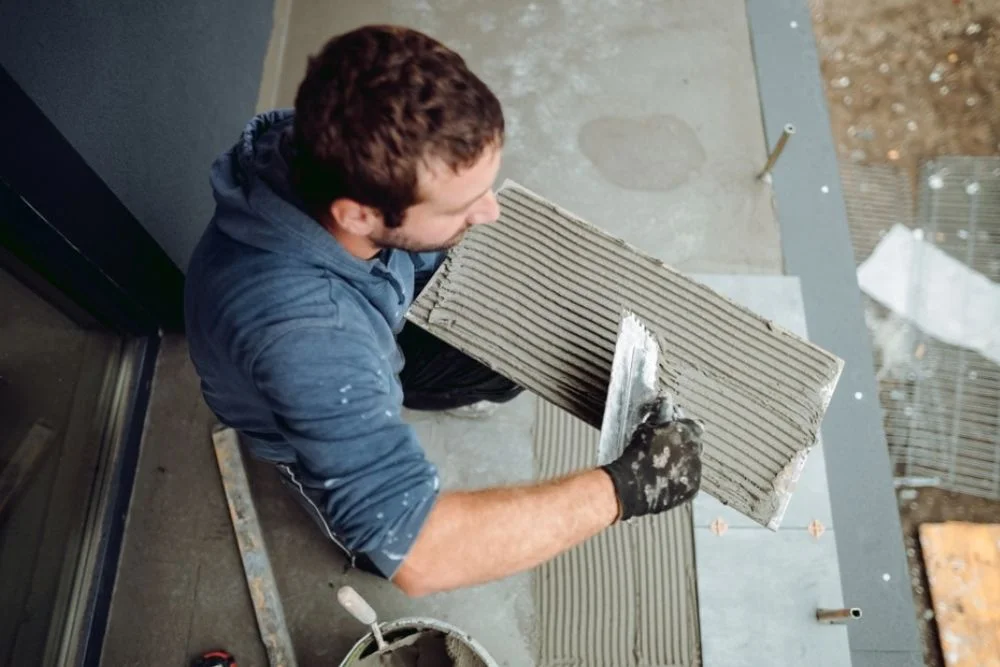
Solid hardwood installation, for instance, requires precise moisture testing, acclimation periods, and the ability to nail or staple planks to subfloor systems without damaging structural components. Tile work, particularly in wet areas like bathrooms and kitchens, demands knowledge of proper waterproofing membranes, grout selection, and substrate preparation to prevent future cracking or mold.
Radiant heat systems require flooring materials and installation methods specifically rated for heat compatibility. If you are considering solid hardwood for your home, working with a specialist is non-negotiable for a result that lasts decades. You can explore what a professional hardwood installation service involves and what sets these specialists apart from general contractors.
Luxury vinyl plank is more accessible for experienced general contractors and handymen, but subfloor preparation is still critical since LVP amplifies every bump, dip, or soft spot beneath it. Porcelain and ceramic tile installation consistently ranks among the most complex flooring projects due to layout planning, cutting precision, and grouting technique.
For any project involving radiant heating, structural subfloor repair, or high-end natural stone, always insist on a specialist with documented experience in that material. American Home Quotes pre-screens its professionals by specialty, so you are matched with someone whose expertise aligns with your specific project requirements rather than a generalist who treats all floors the same way.
How Do You Verify a Flooring Contractor’s License and Reviews?
Licensing requirements for flooring installers vary by state, but confirming that any contractor you hire carries the appropriate credentials is a non-negotiable step. A valid state license indicates the contractor has met minimum competency standards and is legally allowed to perform work in your area.
Insurance, specifically general liability and workers’ compensation, protects you from financial exposure if an injury or property damage occurs on your job site. Never begin a project with a contractor who cannot provide current proof of both.
Checking online reviews gives you a picture of real homeowner experiences, but approach review research strategically. Look for patterns rather than outliers. A contractor with 80 reviews averaging 4.5 stars tells a more reliable story than one with three five-star ratings. Focus on reviews that mention timelines, communication quality, cleanup habits, and how disputes were handled.
The Better Business Bureau, Google, and state licensing boards are all reliable verification resources. One of the biggest red flags in any hiring situation is a demand for full payment upfront before work begins. Reputable contractors typically ask for a reasonable deposit, often 10 to 30 percent, and collect the remainder upon completion.
American Home Quotes removes much of this legwork by pre-screening every contractor in its network for licensing, insurance, and customer feedback before they ever appear in your quote results. Instead of spending hours cross-referencing state databases and review platforms, you receive qualified matches instantly by entering your ZIP code. Explore the full range of options available through the flooring contractor matching platform at American Home Quotes and connect with professionals who have already cleared the verification process on your behalf.
Frequently Asked Questions About Flooring Contractor Hiring and Costs
Homeowners consistently ask the same practical questions before starting a flooring project, so here are straightforward answers to the most common ones:
-
What is a fair price for flooring installation?
A reasonable total cost ranges from $3 to $22 per square foot, combining materials and labor depending on the type of flooring chosen. Mid-range projects like LVP in a 1,000-square-foot space typically fall between $5,000 and $9,000 all-in.
-
Can a handyman install flooring instead of a specialist?
A qualified handyman can handle laminate, vinyl plank, and basic tile in straightforward installations without subfloor complications. Complex projects involving structural subfloor repairs, natural stone, or solid hardwood require a specialist with documented experience in that specific material.
-
What are the main downsides of vinyl plank flooring?
Vinyl plank is sensitive to uneven subfloors, prone to denting under heavy furniture, and cannot be sanded or refinished once worn. When damaged, individual planks can be replaced, but matching older flooring exactly becomes more difficult over time.
-
Is LVP cheaper to install than tile?
Yes, significantly. Installed LVP typically costs between $3 and $12 per square foot, while ceramic or porcelain tile runs $12 to $35 or more per square foot once you factor in labor, substrate prep, and grouting.
-
What red flags should homeowners watch for when hiring a floor installer?
The most serious red flag is a demand for full cash payment before any work begins. Other warning signs include vague verbal-only estimates, reluctance to provide proof of licensing or insurance, and no verifiable customer reviews.
-
What is generally better than vinyl plank for long-term home value?
Solid hardwood offers greater long-term value because it can be sanded and refinished multiple times over decades. Porcelain tile outperforms vinyl plank in wet areas, and natural linoleum or cork are strong choices for eco-conscious homeowners seeking a renewable option.
Key Takeaways on Flooring Contractor
- Hiring a licensed, insured flooring contractor protects your home investment and ensures the installation meets local building codes.
- Always get at least three itemized quotes and avoid sharing your exact budget before receiving bids to prevent inflated pricing.
- Specialized materials like solid hardwood, natural stone, and radiant-heat flooring require installers with specific training and equipment.
- Verifying credentials through state licensing boards, the BBB, and review platforms is essential before signing any contract.
- Red flags like upfront full-payment demands, missing insurance, and vague contracts are signs to walk away and find another professional.
- Matching platforms that pre-screen contractors by specialty and credentials save time and reduce the risk of a costly hiring mistake.
Flooring projects represent a significant investment in your home’s comfort, function, and resale value. Taking a structured approach to hiring, from credential verification to detailed contract review, consistently produces better outcomes than choosing on price alone.
When you are ready to move forward, American Home Quotes makes it easy to connect with pre-screened, licensed flooring professionals in your area at no cost and with no obligation. Enter your ZIP code, receive competitive quotes from vetted installers, and compare your options side by side before committing to anyone. To speak with someone directly about your project, call 1-877-805-1281 and get matched with a trusted local professional today.
External Sources
- Home Depot: How To Install Laminate Flooring
- Lowe’s: Tile Floor Buying Guide
- Better Business Bureau: Tips to find a reliable and trustworthy general contractor