A water leak hiding inside your walls, under your slab, or beneath your yard can cause thousands of dollars in damage before you ever notice a wet spot. Professional plumbing leak detection uses specialized tools and training to find the exact source of a problem quickly, without the guesswork that leads to unnecessary demolition or repeated repair calls.
Catching a leak early is not just about protecting your home’s structure; it’s about preventing mold growth, high water bills, and the kind of damage that can compromise your home’s foundation. Hiring a licensed plumber for leak detection ensures the job is done right the first time, with accurate diagnosis and a clear path to repair.
Signs of a Hidden Leak That Justify a Plumber’s Visit
Many leaks go undetected for weeks or even months because they start in areas homeowners rarely inspect. Knowing which warning signs to watch for can help you act before minor moisture becomes a major structural problem. A licensed plumber brings both the experience and the equipment to confirm whether what you’re seeing is a true leak or a different issue entirely, saving you time and money on unnecessary guesswork.
Some of the most common red flags include unexplained increases in your water bill, the sound of running water when all fixtures are off, and damp or discolored patches on walls, ceilings, or floors. Soft spots in drywall, peeling paint, and musty odors are also strong indicators that moisture is building up somewhere it shouldn’t be. These symptoms rarely resolve on their own, and waiting typically makes the underlying damage worse.
Homeowners sometimes mistake these signs for minor issues and delay calling a professional. That delay can allow water to saturate insulation, rot wood framing, and create conditions where mold spreads rapidly. Working with a vetted plumber through a trusted platform like American Home Quotes’ licensed plumbing professionals means you get a trained expert who can confirm the source of the problem and recommend the most targeted repair, not just a patch job that hides the symptoms.
How Do Licensed Plumbers Find Leaks Without Tearing Out Walls?
One of the most common concerns homeowners have is that finding a hidden leak will require tearing apart walls or pulling up flooring. Licensed plumbers today use a range of non-invasive diagnostic tools that locate leaks with precision, minimizing damage to your home in the process. These methods have advanced significantly and are now standard practice among experienced plumbing professionals.
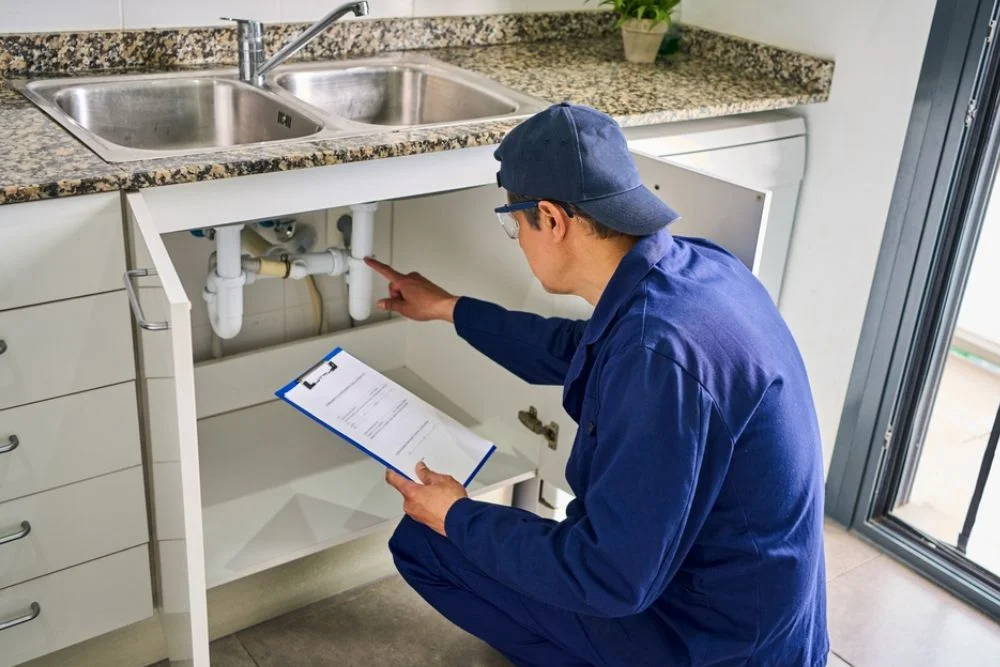
The most widely used techniques for plumbing leak detection include acoustic listening devices that detect the sound of water moving through pipes, thermal imaging cameras that identify temperature differences caused by moisture, and pressure testing that isolates which part of your plumbing system is compromised.
Tracer gas detection and video pipe inspection cameras are also used for more complex cases involving underground or enclosed lines. Each method is chosen based on the type of pipe, the suspected location of the leak, and the construction of your home.
A licensed plumber will assess your home’s layout and plumbing history before selecting a diagnostic approach. This systematic process reduces the risk of misdiagnosis and ensures that any repair work targets the actual problem.
When you connect with a pre-screened professional through a reputable matching service, you benefit from a plumber who is trained in modern leak-detection techniques and accountable to verified licensing standards. You can schedule a professional leak detection service and get matched with a qualified plumber in your area quickly and without obligation.
Slab Leaks, Wall Leaks, and Yard Line Leaks
Not all leaks behave the same way, and understanding the differences helps you communicate clearly with a plumber and set realistic expectations for repair timelines and costs. Slab leaks occur when pipes embedded in your home’s concrete foundation crack or corrode, allowing water to seep upward into flooring materials.
Wall leaks typically stem from supply or drain lines running inside interior or exterior walls. Yard line leaks involve the underground pipes connecting your home to the municipal water main, and they can go undetected for a long time since the water simply saturates the soil.
Slab leaks are among the most serious because they can destabilize your foundation over time and create widespread moisture intrusion at the ground level. Symptoms include warm spots on tile floors, water pooling near the base of walls, and a sudden spike in water pressure fluctuations.
Wall leaks, by contrast, are more likely to show up as discoloration, bubbling paint, or soft drywall before any standing water appears. Yard line leaks often reveal themselves through patches of unusually green or soggy grass, unexplained sinkholes, or a water meter that keeps running even after all indoor fixtures are shut off.
Each of these leak types requires a different detection approach and repair strategy. Slab leaks may involve rerouting pipes above the slab or using epoxy pipe lining, while wall leaks often require targeted access cuts and pipe replacement. A licensed plumber will document the leak’s location and walk you through the most effective, least invasive option.
If you’re facing an urgent situation, learning why hiring a licensed emergency plumber promptly saves money and prevents further damage can help you make a confident decision quickly.
Why Fast Leak Detection Protects Against Mold and Water Damage
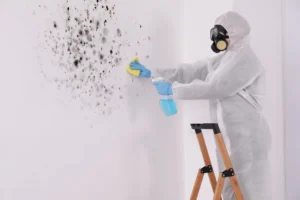
Water and time are a damaging combination. When a leak goes unaddressed, moisture saturates building materials and creates the ideal conditions for mold to develop, sometimes within 24 to 48 hours in warm or humid environments. Acting quickly to identify and stop a leak is one of the most effective things a homeowner can do to protect their home’s structural integrity and indoor air quality.
Mold remediation costs can far exceed the original plumbing repair if moisture is allowed to linger. Beyond mold, prolonged water exposure weakens wood framing, damages insulation, and can cause electrical hazards if wiring is exposed to moisture. These are not theoretical risks; they are documented outcomes in homes where leak detection was delayed. A licensed plumber who identifies and stops a leak quickly reduces the window of exposure and may help you avoid a much more expensive restoration project.
After a leak is stopped, moisture control remains critical. Even after the visible water is gone, residual dampness in walls and subfloors can sustain mold growth for weeks. Professional moisture control services help ensure that affected areas are properly dried and treated, reducing the likelihood of recurring mold problems.
Pairing prompt leak detection with thorough moisture remediation is the most complete way to protect your home after a water event. If your situation has escalated beyond a standard repair, connecting with a vetted emergency plumber through emergency plumbing repair services ensures you get fast, professional help when it matters most.
Frequently Asked Questions About Hidden Leak Detection and Repair
Homeowners dealing with suspected leaks often have similar questions about timing, costs, and what to expect from a professional inspection:
-
How Do I Know If I Have a Hidden Water Leak?
A hidden water leak often shows up as an unexplained rise in your water bill, damp walls, musty odors, or the sound of running water when no fixture is in use. A licensed plumber can confirm the presence and location of a leak using non-invasive diagnostic tools without opening up your walls unnecessarily.
-
How Much Does a Professional Leak Inspection Cost?
Professional leak inspections typically range from $150 to $500 depending on the complexity of the plumbing system and the detection methods required. Some plumbers include the inspection fee in the overall repair cost if you proceed with the work through the same contractor.
-
Can a Small Leak Wait, or Should I Call a Plumber Right Away?
Even a slow, minor leak should be evaluated by a licensed plumber as soon as possible, because water damage and mold can develop quickly once moisture reaches building materials. Waiting often turns a straightforward repair into a much larger and more expensive project.
-
What Happens During a Slab Leak Inspection?
During a slab leak inspection, a plumber typically uses acoustic listening equipment or thermal imaging to identify the area beneath the foundation where a pipe is losing pressure or releasing water. Once located, the plumber will present repair options that may include pipe rerouting, spot repair, or epoxy lining.
-
Will a Leak in My Yard Always Show Up as a Wet Spot?
Not always; some yard line leaks drain into deeper soil layers and may only be noticed when your water meter shows elevated usage or when unexpectedly lush patches of grass appear above the buried pipe. A plumber can use pressure testing and locating equipment to find the exact failure point without extensive digging.
-
What Credentials Should a Leak Detection Plumber Have?
A qualified leak detection plumber should hold a valid state plumbing license, carry general liability insurance, and ideally have experience with the specific leak type affecting your home, whether that is a slab, wall, or yard line issue. Verifying credentials before work begins protects you from liability and ensures the diagnosis meets local code standards.
Key Takeaways on Plumbing Leak Detection
- Plumbing leak detection performed by a licensed professional identifies the exact source of a leak without unnecessary demolition, saving time and money.
- Warning signs like rising water bills, musty odors, discolored walls, and soggy yard patches all warrant a prompt plumber inspection.
- Modern detection tools, including thermal imaging, acoustic sensors, and pressure testing, allow plumbers to pinpoint leaks non-invasively.
- Slab, wall, and yard line leaks each require different diagnostic and repair approaches, which is why professional assessment matters.
- Fast response reduces the risk of mold growth, structural damage, and costly restoration work that follows prolonged moisture exposure.
- Pairing leak detection with professional moisture control gives homeowners the most comprehensive protection after a water event.
A hidden leak does not have to become a catastrophic repair if you recognize the signs and act quickly. Qualified plumbers have the tools and training to locate problems accurately and recommend repairs that hold up over time. Choosing a vetted professional over an unverified contractor reduces the risk of misdiagnosis, code violations, and repeat service calls.
American Home Quotes connects homeowners with pre-screened, licensed plumbing professionals who are ready to diagnose and repair leaks efficiently. Call 1-877-792-5461 to speak with a representative, or visit American Home Quotes to submit your ZIP code and start comparing quotes from vetted local plumbers at no cost and with no obligation. Getting the right professional on-site quickly is the most effective step you can take to protect your home from water damage.
External Sources
- US EPA – Fix a Leak Week
- NAIC – Consumer Insight
- US EPA – A Brief Guide to Mold, Moisture and Your Home