Small roof issues turn into high costs when leaks go unseen, so acting before the next storm protects your home and budget. A professional roof inspection process looks closely at shingles, flashings, and structure to catch wind damage, hail bruising, and early moisture intrusion before they spread. Inspectors know where problems hide, which tools provide proof, and which fixes last. That level of detail helps prevent mold, ceiling stains, and premature roof failure.
Licensed roofing specialists also document what insurers and manufacturers want to see, which can support warranty coverage and accurate claims. Safe, thorough inspection requires training, fall protection, and the right equipment, not just a ladder and a quick glance. Hiring vetted professionals provides clear findings, prioritized repairs, and pricing you can trust. Schedule qualified help now to prevent avoidable damage and restore peace of mind quickly and safely.
Exterior Roof Surface and Shingle Assessment
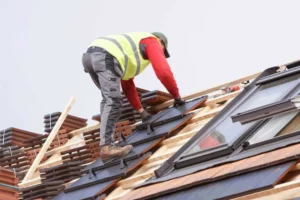
Surface wear is not always obvious from the ground, and missing a lifted shingle or granule loss can lead to costly interior repairs. Trained inspectors evaluate wind uplift, broken tabs, hail impacts, blistering, thermal cracking, and exposed fasteners under consistent lighting and safe access. Many teams photograph every slope and ridge to establish a baseline for future maintenance and to document damage for insurance adjusters.
Drone imaging can supplement close-up work on steep or fragile surfaces, but hands-on confirmation remains essential. A professional roof inspection also includes checking eaves and rakes, where edges often fail first, especially after wind events. Expect your contractor to note any debris buildup that traps moisture and accelerates deterioration. When findings are organized clearly, you can make timely decisions without guesswork.
To give homeowners a quick grasp of roof condition, experienced pros summarize key surface observations in plain language and photos with arrows and captions. The following items are commonly evaluated on the roof surface during a standard assessment:
- Shingle condition, granule loss, and uplift
- Ridge caps, hips, and valleys for cracks or gaps
- Exposed or backed-out nails and fasteners
- Vent and pipe boot wear at the roof surface
- Debris, moss, or algae affecting drainage
- Gutter alignment, clogs, and shingle edge wear
Vetted professionals also explain whether damage is isolated or system-wide, so you know if spot repairs or larger remediation is smarter. Using a trusted matching platform reduces risk by connecting you with licensed, insured contractors who follow safety protocols and manufacturer specifications. When comparing providers, look for photos of similar roofs, references, and proof of training with your shingle brand.
For fast screening and local availability, consider using the roofing services directory to find qualified pros who can deliver same-week inspections. Clear documentation, precise measurements, and fair pricing help prevent surprise add-ons after work starts. That combination of accuracy and accountability keeps your project on schedule and within budget.
Flashing, Seals, and Penetration Checks for Roofs
Most leaks start at transitions, not the open field of shingles, which is why flashing and seal checks matter so much. Step and counter flashing at chimneys, wall intersections, and dormers can pull away over time or corrode at nail holes, allowing water to track behind the siding. Vent boots dry out and crack, satellite mounts loosen, and skylight gaskets shrink, all inviting wind-driven rain into the attic. Experienced roofers gently lift surrounding materials to confirm underlayment continuity and look for rust trails or water stains that point to hidden entry points.
Pros carry sealant types matched to roofing materials and temperature conditions, avoiding quick fixes that fail when seasons change. Comprehensive photos and notes help you see exactly what failed and why a particular repair approach is recommended.
Licensed contractors also examine valley metal, drip edges, and termination bars for secure fastening and correct overlaps that direct water away from seams. When wear is widespread or UV exposure has degraded seams across the field, protective coatings may extend service life and reduce heat absorption. If your roof qualifies, a pro may suggest roof coating services to seal minor surface cracks and improve energy efficiency.
A vetted matching platform screens for contractors with manufacturer approvals, ensuring warranty-compatible products and installation methods. Clear estimates should list material types, application rates, and areas covered, so you understand the scope and cost before approving work. Careful seal and flashing restoration prevents recurring leaks, giving you confidence that the next storm will stay outside where it belongs.

Structural Roof Integrity and Attic Inspection
Roof performance depends on what is underneath the shingles, so inspectors look for deck deflection, spongy sheathing, and uneven planes that suggest rot or fastener failure. Truss or rafter issues can show up as cracked lumber, split gussets, or displaced metal connector plates, all of which require immediate attention. In the attic, pros check for dark staining on the underside of the deck, rusty nails from condensation, and mold growth that signals chronic moisture.
Ventilation is evaluated by confirming open soffits, clear baffles, and a balanced exhaust strategy at the ridge or mechanical vents. Infrared tools can reveal wet insulation or trapped moisture that eyes may miss, guiding targeted repairs without unnecessary tear-off. A professional roof inspection also verifies that bath fans and dryer vents terminate outdoors, not into the attic, where humidity accumulates.
Insulation depth and distribution affect ice dam risks and energy costs, and inspectors note voids, rodent tunnels, or compression that reduce R-value. Clear findings should distinguish structural repairs from maintenance, helping you prioritize safety-critical items first. If a structural engineer is needed, reputable roofing contractors coordinate that referral and integrate recommendations into a single plan.
To understand contractor screening, pricing transparency, and scheduling steps, review how the contractor matching process works before requesting bids. Matching platforms help verify insurance, licensing, and past performance, so the team entering your attic is prepared and reliable. With a documented structure-and-attic review, you can move forward confidently, prevent further damage, and extend roof life.
Detailed Reporting and Roof Repair Recommendations
Clear reporting transforms a complex roof into straightforward decisions, with photos, measurements, and itemized solutions that align with your budget. A good report explains what failed, where it is located, and which materials and methods will resolve the problem for the long term. Estimates should be transparent about labor, materials, warranties, and disposal or permit fees, so you can compare apples to apples.
Timelines should note lead times for special-order shingles or skylights and identify any weather sensitivities that could shift start dates. Reputable contractors will also outline temporary protections, such as tarps or tie-in repairs, if the weather is approaching. Pairing the report with a maintenance calendar keeps small issues from becoming expensive replacements.
When evaluating proposals, ask for the scope behind each line item, including whether underlayment or flashings will be replaced or reused. Consider the following elements that strong roof inspection reports and repair plans typically include:
- Annotated photos that tie directly to each repair item
- Moisture readings, slope notes, and material brand details
- Line-item pricing with clear labor and material separation
- Warranty terms for workmanship and registered manufacturer coverage
- Repair timelines, weather requirements, and site safety steps
- Maintenance schedule suggestions for seasonal checkups
Trustworthy matches save time by eliminating calls to unresponsive or unqualified providers, and they help you avoid bids that are too vague to protect you. To keep your roof in good condition after repairs, review local residential roof maintenance services and set reminders for seasonal checkups.
A vetted contractor will explain which tasks you can do from the ground and which require professional access and safety equipment. Good recordkeeping and consistent maintenance can support warranties and improve resale value when it is time to sell. With a well-structured report and a clear plan, you can choose the right fix, the right timeline, and the right team.
Frequently Asked Questions About Roof Inspection and Repair Planning
Here are concise answers to common questions homeowners ask when planning inspections and repairs:
-
How often should a roof be inspected?
Most homes benefit from an annual check and an extra review after major storms. Older roofs or homes with tree cover may need a spring and fall visit.
-
What signs suggest hidden roof damage?
Look for ceiling spots, musty attic smells, or shingles with excessive granules in gutters. Sagging decking or soft spots underfoot also signal problems.
-
Are drone photos enough to assess a roof?
Drones help document conditions and reach steep or delicate areas safely. Hands-on verification is still required to confirm fasteners, flashing, and membrane details.
-
What qualifications should a roofing contractor have?
Verify state licensing, general liability, and workers’ compensation insurance, and manufacturer training relevant to your materials. Ask for recent local references and written warranties.
-
How long does a typical inspection take?
Most single-family homes take 60 to 120 minutes, depending on size, slope, and access. Extra time is common when attics are tight or when damage is extensive.
-
Can minor repairs wait until next season?
Small leaks often worsen, raising costs and risking mold or structural damage. Temporary protections can buy time, but timely repairs are usually cheaper overall.
Key Takeaways on Professional Roof Inspection
- Early detection prevents leaks from escalating into structural or mold damage.
- Transitions like chimneys, valleys, and vents are the most common leak sources.
- Attic findings and ventilation balance are critical to long-term roof performance.
- Clear reports with photos and itemized pricing enable confident decisions and fair comparisons.
- Vetted, licensed contractors reduce risk and help protect warranty and insurance outcomes.
- Routine maintenance after repairs extends roof life and manages future costs.
Organized professional roof inspection documentation and skilled labor make complex roofing issues manageable and budget-friendly. To prepare confidently and compare estimates on your terms, consider using the planning tool to plan your project before requesting bids.
For fast, reliable help, call 1-877-299-0515 to speak with a knowledgeable team member. American Home Quotes connects you with pre-screened, insured roofing professionals who provide transparent pricing and dependable timelines. Get matched quickly, compare multiple quotes without obligation, and move forward with confidence. Your home deserves safe access, accurate diagnostics, and high-quality repairs performed by trusted experts.
External Sources
- BrokerCalls: Home Services Leads for Your Business | Quality, Exclusive Inbound Calls
- BrokerCalls Blog: Learn How to Generate Quality Roofing Leads
- BrokerCalls Blog: Can Roofing Contractors Get Leads Directly from Insurers?