
Atlanta Homeowner’s Guide to Hiring General Contractors
Across Georgia, homeowners rely on licensed contractors for remodels, additions, and major repairs. In Atlanta, that relationship is shaped by a large, growing city spread across Fulton and DeKalb counties, hilly terrain at roughly 1,000 feet of elevation, and the canopy that gives the city its reputation as one of the greenest urban cores in the country. Between prewar bungalows in intown neighborhoods and midcentury ranches on deeper lots, construction approaches can differ block to block, so a contractor’s familiarity with local housing eras matters. Afternoon thunderstorms, long humid summers, and heavily shaded yards influence everything from crawlspace details to exterior paint schedules. A good general contractor will translate those local conditions into practical steps, line items, and timelines you can evaluate. The notes below are written for Atlanta homeowners comparing options and planning the right level of service for their property.
Which crawlspace and moisture management steps are essential in Atlanta remodels?
Atlanta’s humid summers, frequent pop-up storms, and shady lots under the city’s expansive tree canopy make crawlspace planning a priority during remodels. On older intown homes with vented crawlspaces, contractors often recommend sealing the ground with a continuous vapor barrier, closing old vents, and adding controlled dehumidification to stabilize moisture and reduce musty air migrating into living spaces. Because many properties sit on rolling ground with red clay that sheds water, downspout extensions and grading to move runoff away from foundation walls are basic but high-impact steps that should be in the scope. Where water collects at the low side of a sloped lot, an interior or exterior drain and a sump can keep seasonal moisture in check. Pair those measures with practical details: gutter maintenance, splash blocks, and keeping shaded areas free of leaf buildup so water doesn’t linger against brick or siding. Pros and cons, Atlanta-style: Vented crawlspace—Pros: lower upfront cost, easy access; Cons: struggles with humidity and pollen season. Sealed/conditioned crawlspace—Pros: more stable moisture and temperature, better for wood floors; Cons: higher initial investment and needs proper installation by a contractor who understands local conditions. “After one summer storm, we realized the low corner of our Grant Park crawlspace was a bathtub—our contractor’s grading and drain plan fixed it for good.”
How should Atlanta homeowners compare general contractor bids for additions?
Start by checking that each bid references the same drawings and a clear scope for foundations, framing, exterior finishes, and interior systems, because Atlanta’s mix of sloped lots and older structures can lead to very different assumptions. Ask how the contractor plans to match existing architecture—think brick color and bond patterns on a Buckhead Colonial or trim profiles on a Craftsman bungalow—so you don’t end up with mismatched materials or costly change orders. Site logistics matter in dense intown streets: where will a dumpster sit, how will deliveries handle narrow alleys, and what’s the plan for keeping sidewalks clear and neighbors informed. Compare allowances for items that swing widely here, like masonry, custom millwork, and HVAC upgrades to handle humidity and sun exposure on new south- or west-facing rooms. It’s also wise to see whether permit coordination, engineering, and survey work are included or excluded, since these line items commonly shift budgets in Atlanta additions. Quick comparison: Design-build—Pros: one team coordinating design, budget, and permits; Cons: fewer direct bid comparisons. Architect-plus-bid—Pros: competitive pricing from multiple contractors; Cons: more homeowner coordination and potential gaps between drawings and construction means.
Which permits are typically required for residential construction in Atlanta?
Most additions and structural remodels within the city limits require a building permit, with separate permits commonly pulled by licensed trades for electrical, plumbing, and mechanical work. Interior projects that alter walls, beams, or stair openings also fall into permit territory, while cosmetic updates usually do not—your contractor should confirm based on the actual plan. New decks, porches, accessory structures, and major window or door changes are typically reviewed because they affect structure and exterior appearance. On hilly lots where grading, retaining, or drainage changes are part of the project, expect plan review focused on how water is managed on and off site, a practical concern in Atlanta’s clay soils and intense summer downpours. Properties located in designated historic or conservation areas may require additional design approvals for exterior changes, which can influence both selections and timelines. Given the city’s renowned tree canopy, projects that disturb roots or alter shade and drainage patterns often come with extra attention to tree and site protection as part of the review conversation.
How long does it take to get a building permit approved in Atlanta?
Timelines vary with project complexity, the completeness of your drawings, and seasonal volume, but most homeowners experience a multi-step process that includes application intake, plan review, and any required trade or site-related reviews. Straightforward, interior-only plans tend to move faster than additions that touch structure, grading, or exterior aesthetics. You can reduce review cycles by submitting a current survey, clear site plan, dimensioned elevations, structural notes where applicable, and consistent material callouts that match your bid set. Coordinated MEP information—such as equipment locations and electrical service details—helps avoid comments that send plans back for revisions. Some teams schedule a pre-submittal conversation to catch common issues; Pros: clarity on submittal expectations; Cons: added upfront time and consultant coordination. Factor in potential neighborhood considerations and weather-driven workload spikes after stormy weeks, and build in a buffer so construction start dates don’t hinge on a best-case scenario. Protect your investment with professional project management in Georgia. Find out about design-build services in Atlanta.
Top Rated General Contractor Contractors in Atlanta
Based on verified ratings, recent review activity and license standing. How we pick
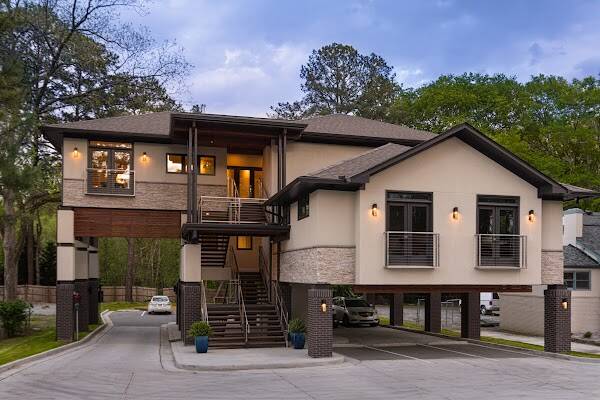 +3 photos
Glazer Design & Construction
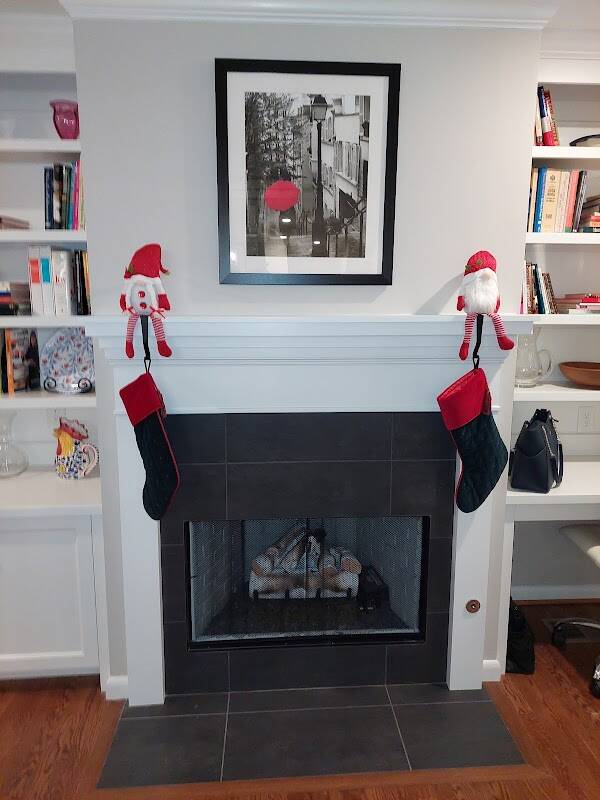
Small Carpenters At Large
Why: Strongest review activity in the last 90 days.
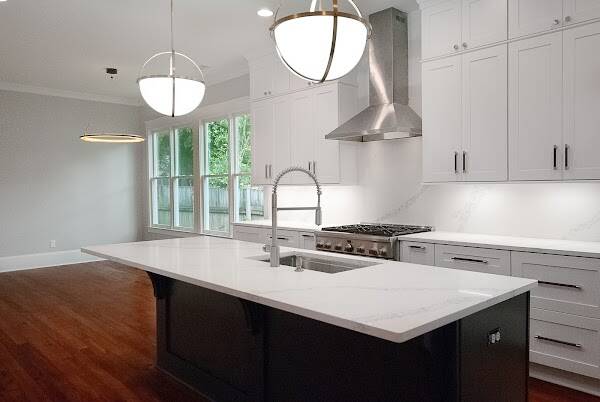
Stryant Construction and Management Inc.
Why: Specialist with a long local track record.
All General Contractors contractors in Georgia
General Contractors contractors in other Georgia cities
- Albany
- Alpharetta
- Athens
- Brookhaven
- Columbus
- Johns Creek
- Macon
- Marietta
- Roswell
- Sandy Springs
- Savannah
- Smyrna
- South Fulton
- Stonecrest
- Valdosta
- Warner Robins

