
Great Falls Homeowner’s Guide to Hiring a General Contractor
In Montana, safety and compliance are always top priorities. In Great Falls—the state’s third most populous city with about 60,442 residents spread across 22.9 square miles—contracted work must respect the area’s cold winters, strong winds, and significant temperature swings. Those conditions affect everything from concrete curing to roofing and window selections, so planning with a qualified general contractor becomes a practical safeguard. Homeowners in the Great Falls metropolitan area also benefit from organized permitting and inspections that help ensure projects meet adopted codes and approved plans. Reliable contractors coordinate these steps, manage specialty trades, and document progress to minimize delays. With neighborhoods ranging from long-established blocks to newer subdivisions, scope and build details vary, but the underlying standards and safety checks remain consistent. The result is a smoother process and a home that performs well through the city’s seasonal extremes.
What happens during a city building inspection in Great Falls?
Curious what inspectors look for first? In Great Falls, city inspectors typically confirm that the posted permit, approved plans, and site address match the work underway before moving to technical checks. Early-stage inspections often verify setbacks, excavation safety, footing dimensions, reinforcing, and utility rough-ins, followed by framing reviews that check load paths, fasteners, and structural connections. Trade rough-ins for electrical, plumbing, and mechanical are examined for proper routing, support, clearances, and safety, while later visits assess insulation installation, air sealing, and weather barriers appropriate to the area’s freeze–thaw cycles and wind exposure. Final inspections commonly cover smoke and carbon monoxide alarms, guard and handrail details, egress, door swings, and basic life-safety items, along with exterior drainage that helps manage snow melt. Inspectors focus on compliance with adopted codes and the permitted plans; they are not performing a cosmetic punch list. Because winter conditions and Chinook winds can affect access and visibility, well-prepared contractors schedule thoughtfully and keep work areas safe and clear for efficient inspections.
What documentation should a contractor provide after final inspection in Great Falls?
After final inspection, a thorough contractor typically provides the jurisdiction’s final approval documentation, which may include a Certificate of Occupancy for new builds or a final sign-off for renovations. Homeowners should also receive a complete permit and inspection history, as-built drawings reflecting any field changes, and a compiled list of subcontractors with contact information. Warranty packets for roofing, windows, siding, mechanical equipment, and finishes are essential, along with operations and maintenance manuals for HVAC systems, water heaters, ventilation equipment, and other installed components. Product data sheets, paint schedules, appliance model and serial numbers, and care instructions help with future maintenance and resale disclosures across Cascade County. Lien waivers or releases from the contractor and major trades protect against future claims and are a common closeout item. Digital copies of all records—plans, photos of concealed work, and energy or air-sealing test results where applicable—offer long-term value for insurance, warranty claims, and future improvements.
Which eco-friendly materials are available for new builds in Great Falls?
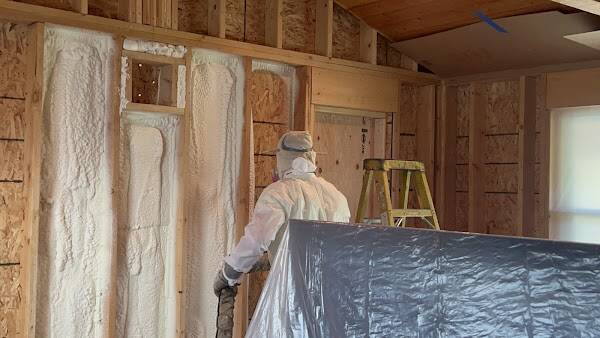
Eco-friendly options suited to Great Falls’ climate emphasize durability, insulation, and air tightness. Blown-in cellulose or mineral wool insulation, paired with continuous exterior insulation and high-quality air-sealing tapes and membranes, improves comfort during long, cold seasons. Triple-pane, low-e windows rated for cold climates reduce heat loss and help manage winter condensation, while insulated exterior doors complement the envelope. Metal roofing with recycled content offers long life and sheds snow efficiently, and fiber cement or engineered wood siding can provide weather resistance with low maintenance. For structural materials, sustainably sourced lumber and recycled steel components are widely available through regional suppliers, helping reduce embodied carbon and transport impacts. Inside the home, low- or zero-VOC paints, recycled-content flooring, and water-saving fixtures round out a healthy materials package; pairing these with energy recovery ventilators and cold-climate heat pumps further boosts efficiency and indoor air quality.
How to inspect storm-damaged structures before renovation in Great Falls?
Before any renovation after a storm, safety comes first: electrical and gas services should be shut off if damage is suspected, and the site should be stabilized to prevent further loss. In Great Falls, wind and hail can affect roofing, siding, glazing, and exterior trim; a careful visual review should look for displaced shingles, punctures, sheathing softness, dented metal, fractured siding, and compromised window seals. Attics and ceilings should be checked for moisture stains or wet insulation that signal hidden leaks from wind-driven rain or ice dams, common during freeze–thaw cycles. Foundations, porches, and steps deserve attention for new cracks or movement that may relate to saturated soils or frost action. Any signs of racking walls, sagging rooflines, or shifted bearing points warrant evaluation by a licensed structural professional before work proceeds. Meticulous photo documentation, temporary weather protection, and early coordination with insurers and the city permitting office streamline subsequent repairs and inspections.
Frequently Asked Questions About general contractors in Great Falls, Montana
-
How should a homeowner prepare a jobsite to improve the odds of passing the first inspection in Great Falls?
Clear access to the work area, visible house numbers, and posted permits help inspectors start quickly. Organized plans on site, clean work zones, proper temporary safety measures, and ready access to crawl spaces or attics reduce delays and callbacks.
-
Which closeout papers matter most for resale or insurance after a remodel in Cascade County?
Final inspection approvals, as-built drawings, lien waivers, and equipment warranties are frequently requested during resale and by insurers. Keeping digital copies of permits, inspection reports, and product data sheets simplifies disclosure and future maintenance.
-
What green upgrades offer the best return in Great Falls’ cold climate?
High-performance insulation, thorough air sealing, and triple-pane windows typically deliver notable comfort and energy savings. Durable exterior materials, such as metal roofing and fiber cement siding, also perform well through wind, snow, and temperature swings.
-
Who should evaluate wind or hail damage in Great Falls before repairs begin?
A general contractor can document visible issues, but suspected structural movement or widespread roof failure should be assessed by a qualified structural professional. Coordinating with the insurer and the city’s permitting office early helps align repair scope and required inspections.
Enjoy peace of mind with a reliable contractor in Great Falls. Request a free consultation for your build in Great Falls.
Top Rated General Contractor Contractors in Great Falls
Based on verified ratings, recent review activity and license standing. How we pick
 +3 photos
Malisani Inc.
Klinefelter’s Insulation
Why: Strongest review activity in the last 90 days.
M&D Construction Inc.
Why: Specialist with a long local track record.
All General Contractors contractors in Montana

