
Tigard, Oregon Homeowner’s Guide to Hiring a General Contractor
What are the most common home remodeling projects in Tigard?
Homeowners in Tigard rely on pros for everything from repairs to remodels. In a city that grew rapidly after incorporation in 1961 and now ranks as the 12th most populous in Oregon, there is a wide mix of mid-century ranches, late-20th-century builds, and newer infill homes. That variety shapes project demand. Many properties benefit from space planning updates, improved weather protection, and comfort upgrades suited to the Portland metro’s coastal humidity and storm-driven moisture. Proximity to major corridors like I-5 and Oregon Route 217 also nudges some residents toward noise-reducing window and exterior upgrades during remodels.
Across Tigard’s neighborhoods south of Beaverton and north of Tualatin, three project types come up repeatedly:
- Kitchen and bath remodels: Older floor plans often feel closed off. Remodels typically rework traffic flow, add task lighting for darker winter months, and upgrade ventilation to handle moisture. High-performance fans, durable finishes, and easy-to-clean surfaces are common asks.
- Additions and ADUs: Families looking for multigenerational space or rental flexibility often pursue bedroom additions, primary-suite expansions, or detached ADUs. A general contractor helps test fit on the lot, coordinate design, and plan utilities while preparing for local permit reviews.
- Exterior resiliency upgrades: Fiber-cement siding, composite decking, improved flashing, and new roofing systems are popular to manage damp seasons. Window replacements and air sealing round out energy and comfort goals, especially along busy routes like OR 99W where quieter, tighter envelopes make a noticeable difference.
Basement finishing is also steady, turning underused square footage into living areas or home offices. Given the region’s rain, contractors commonly address drainage, vapor control, and insulation as part of these projects. Whether refreshing a 1970s split-level or enlarging a newer home, a licensed general contractor coordinates trades, sequencing, and weather protection so the finished space performs year-round.
How should Tigard homeowners verify a contractor’s license and insurance?
Due diligence starts before the first estimate. In Oregon, a contractor’s license, bond, and insurance are tied together, and homeowners can confirm status in a few clear steps. Taking ten minutes to verify credentials reduces risk and sets the tone for a professional, transparent project.
- Use the Oregon Construction Contractors Board (CCB) online license lookup to confirm the license is active, properly endorsed, and free of unresolved disciplinary actions. Ensure the business name, CCB number, and contact details match the proposal.
- Request a current certificate of insurance (COI) sent directly from the insurer. Verify general liability limits and, if the contractor has employees, confirm active workers’ compensation coverage. Homeowners can ask to be listed as certificate holders for notification of any policy changes.
- Ask for proof of bonding as required by the CCB, and confirm any specialty licenses for electrical, plumbing, or mechanical work are held by the appropriate subcontractors.
- Check references tied to Tigard or nearby Portland metro neighborhoods. Look for projects similar in size and timeline, and ask past clients about communication, cleanliness, and schedule management.
Comparing multiple licensed pros also helps. Platforms like American Home Quotes (AHQ) make it easier to line up verified contractors, cross-check license details, and review scopes side by side. Whether the project sits near OR 210 or closer to TriMet routes, confirmation of credentials gives homeowners confidence that the team on site is qualified and covered.
What should homeowners expect from a licensed general contractor in Tigard?
A licensed general contractor serves as the single point of accountability—coordinating design partners, trades, inspections, schedules, and costs. Homeowners should expect a detailed scope of work, a milestone schedule tied to inspections, and a clear communication plan. A thorough contractor will also outline site protection tailored to Tigard’s damp months: covered material storage, daily weatherproofing, and ventilation strategies to control moisture while work is underway.
Before construction, a preconstruction meeting should review drawings, permit requirements, lead times on key materials, and neighborhood considerations such as parking along local streets. During construction, the contractor sequences trades to minimize downtime, arranges inspections with local authorities, and logs change orders in writing with cost and time impacts. Safety briefings, cleanup protocols, and daily or weekly progress updates keep the project on track and the home livable when possible.
How professional project management keeps jobs on track
Strong project management is the difference between guesswork and predictable delivery. In practice, that means proactive scheduling around Oregon’s storm-driven moisture, ordering long-lead items early, and coordinating subs so the site stays productive. It also includes quality checkpoints—framing, waterproofing, and mechanical rough-in reviews—so hidden work meets standards before walls close. Expect documentation at closeout: warranties, lien releases, inspection sign-offs, and a punch-list process that wraps efficiently.
In short, a licensed general contractor in Tigard should plan thoroughly, communicate clearly, protect the home from weather, and manage every moving piece—from design coordination to final walk-through—so homeowners don’t have to.
In Tigard, how do local building codes affect home additions?
Building codes help ensure additions are safe, durable, and suited to local conditions. For Tigard homeowners, that typically means attention to structural engineering, life-safety requirements, energy efficiency, and moisture control. While specific code provisions vary by jurisdiction and project type, the path is consistent: design, permit review, inspections, and final approval.
Setbacks and height limits influence where an addition can sit on the lot, while structural rules guide foundations, beams, and lateral resistance—an important consideration in the Pacific Northwest. Energy measures affect insulation, windows, and air sealing; in a humid, rainy climate, smart details like proper flashing, drainage planes, and balanced ventilation matter just as much as R-values. Electrical, plumbing, and mechanical work must be permitted and inspected by licensed professionals.
Here’s a common scenario: a homeowner wants a rear family-room bump-out. A contractor reviews the survey for setbacks, coordinates engineered drawings, and submits permit documents. During construction, the contractor schedules inspections at footing, framing, and final stages, all while protecting the open portion of the house from storm-driven moisture. The result is a compliant addition that ties into the existing home cleanly and stands up to local weather.
How Tigard’s climate and neighborhood mix influence materials and timelines
Tigard sits in the Portland metro, where coastal humidity, frequent rain, and occasional storms shape every construction decision. Materials that shed water, resist swelling, and hold fasteners well tend to outperform over time. Neighborhood access—whether near I-5, OR 217, or along busier stretches of OR 99W—can also affect delivery timing, staging space, and daily start/stop rhythms.
On exteriors, fiber-cement siding, robust housewraps, metal flashings, and high-quality sealants help manage moisture. Composite or well-sealed wood decking with slip-resistant textures fits wet seasons, and stainless or coated fasteners prevent corrosion. For windows and doors, proper pan flashing and head flashing are essential, as are high-performance bath and kitchen exhaust fans to manage indoor humidity. Inside, mold-resistant drywall in wet zones and right-sized HVAC upgrades support long-term comfort.
Timelines should account for inspection schedules and the region’s rainy stretches. A disciplined contractor sequences weather-sensitive work—foundation, framing, roof dry-in, and exterior cladding—so the home is quickly protected. Clear staging plans keep materials covered and site-safe, which maintains quality and reduces delays. Thoughtful planning means fewer surprises, even when storms roll through a busy Portland-area week.
Frequently Asked Questions About general contractors in Tigard, Oregon
-
How long does a kitchen remodel usually take during Tigard’s rainy season?
Most kitchens land in the several-weeks-to-few-months range, driven by scope, inspections, and material lead times. A strong general contractor sequences work to get the space weather-tight fast, orders long-lead items early, and protects the site daily to keep momentum during wet weeks. Built-in contingency time helps absorb weather delays without derailing the finish date.
-
Which insurance documents should homeowners request before signing a contract?
Ask for a current certificate of insurance sent directly from the carrier, showing general liability and, if applicable, workers’ compensation. Confirm the policy holder’s legal business name matches the proposal and the Oregon CCB license record. Homeowners can also request to be listed as a certificate holder to receive notice of any policy changes.
-
What does a fair payment schedule look like for a Tigard remodel?
Payments typically align with milestones—permit approval, rough-in completion, finish carpentry, and final sign-off—rather than fixed dates. A transparent contractor ties each draw to verified progress and provides change orders in writing. Retainage may be held until punch-list items are complete and closeout documents are delivered.
-
Do bump-outs or second-story additions near property lines need extra reviews?
Additions must respect setbacks, height limits, and lot coverage rules, which can trigger design adjustments or alternative layouts. A contractor will review surveys, coordinate engineered plans, and submit a complete permit package for local review. Inspections then verify that the construction matches approved plans and safety requirements.
-
What exterior materials hold up best to Tigard’s humidity and storms?
Fiber-cement siding, quality weather-resistive barriers, properly detailed flashing, and corrosion-resistant fasteners perform well. Composite decking or well-sealed wood with slip-resistant textures also helps in wet months. Correct window and door flashing, plus effective ventilation, prevents moisture from getting trapped inside walls.
Experienced contractors in Oregon complete remodels safely and efficiently. Request a permit review in Oregon.
Top Rated General Contractor Contractors in Tigard
Based on verified ratings, recent review activity and license standing. How we pick
 +3 photos
Pearl Painters
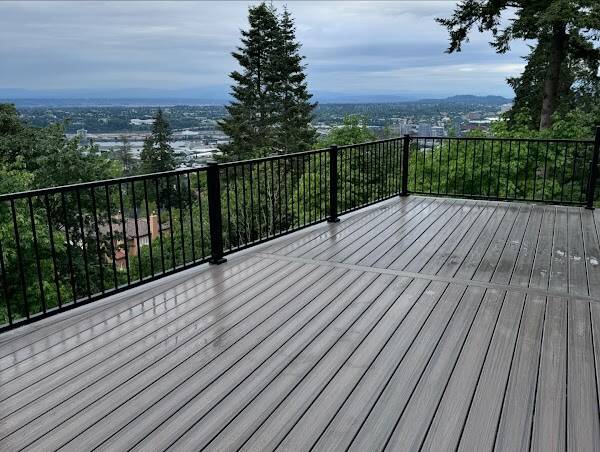
Next Level Decks and Exteriors
Why: Strongest review activity in the last 90 days.
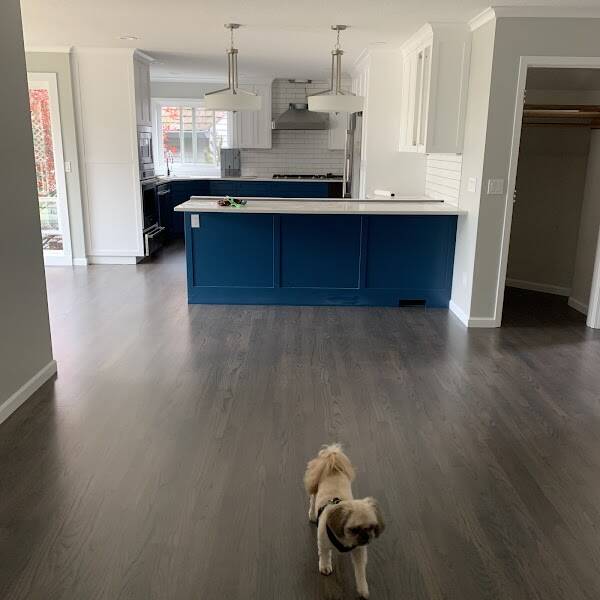
SLS Custom Homes and Remodeling
Why: Specialist with a long local track record.
All General Contractors contractors in Oregon

