
Chattanooga General Contractors Guide: Project Management, Codes, and Smart Choices
What are the warning signs of unlicensed or uninsured contractors in Chattanooga?
Homeowners in Chattanooga rely on pros for everything from repairs to remodels. The first red flag is a contractor who cannot provide a current Tennessee license number or a certificate of insurance showing both general liability and workers’ compensation. Vague estimates with no line items, a demand for large cash deposits, or pressure to “start tomorrow” without a written scope are common warning signs. Be cautious when someone asks the homeowner to pull the permit “to save time,” uses only a P.O. box, or cannot offer recent local references in neighborhoods like North Shore, St. Elmo, or Highland Park. Out-of-state plates with no local address, refusal to sign a contract, or a price far below other bids also merit scrutiny.
Verification is straightforward: check the Tennessee Board for Licensing Contractors’ online lookup, and confirm active permits or inspection history through the City of Chattanooga’s Development Services portals. Ask for a copy of an insurance certificate made out to the homeowner and job address. Confirm a real, local point of contact and a written payment schedule tied to milestones, not just dates. However, some smaller maintenance tasks that do not require a permit can be completed by reputable handypeople, but insurance and a written agreement still protect the homeowner.
Which eco-friendly materials are available for new builds in Chattanooga?
Chattanooga builders have strong access to sustainable options through regional suppliers along I‑24 and I‑75. Materials that control heat and moisture matter here, given the Tennessee River valley’s humid summers and winter swings.
For structure and envelope, homeowners often choose FSC-certified lumber, engineered wood that reduces waste, or insulated concrete forms for high-performance foundations and hillside sites. Dense‑pack cellulose and mineral wool provide fire resistance and moisture tolerance, while high‑performance spray foams can deliver tight air sealing when paired with proper ventilation. Recycled-content fiber cement siding and masonry from regional kilns handle heavy rain and freeze‑thaw cycles well. Cool or reflective roofing and standing‑seam metal shed frequent downpours and manage summer heat. Low‑E, argon-filled windows with appropriate U‑factors and SHGCs reduce glare and heat gain without sacrificing views of Lookout Mountain and the river. Inside, low‑ or no‑VOC paints, adhesives, and paperless drywall curb mold risk. Permeable pavers, native landscaping, and rainwater capture help manage stormwater during seasonal downpours. Many Chattanooga remodels also incorporate reclaimed hardwoods from regional mills, delivering character while keeping materials local.
Which construction projects legally require a licensed contractor in Chattanooga?
As a rule of thumb, any work that needs a permit in Chattanooga should be led by a properly licensed contractor. New home construction, additions, structural changes, major interior remodels, and significant roofing projects typically fall into this category. Electrical service upgrades, panel changes, new circuits, HVAC replacements or reconfigurations, gas line work, and new or re‑routed plumbing require licensed, trade‑specific subcontractors and inspections. Projects in areas near the Tennessee River or mapped flood zones often involve additional review, so early coordination with Development Services is smart.
Homeowners sometimes ask about acting as their own contractor. In some situations, an owner may be permitted to work on a primary residence, but responsibility for code compliance, insurance, safety, and supervising licensed trades then rests with the homeowner. Schedules can slip without professional management, especially during Chattanooga’s rainy spells or when multiple inspections are required. When in doubt, verify permit and licensing requirements directly with the City of Chattanooga and the Tennessee state licensing resources before work begins.
How do local codes affect energy-efficient construction in Chattanooga?
Local building and energy codes establish minimum safety and performance standards across insulation, air sealing, windows, HVAC, and ventilation. In Chattanooga’s humid, four‑season climate, meeting code is the floor; smart detailing prevents moisture issues and lowers utility costs.
Envelope and air sealing: Codes define baseline R‑values and require continuous air barriers. Properly taped sheathing, sealed penetrations, and blower‑door testing (when required by jurisdiction) help catch hidden leaks. In a humid summer climate, controlling air movement is as important as insulation thickness.
Windows and mechanicals: Window U‑factors and SHGCs must align with code’s energy targets, which also guide duct sealing and, in many cases, duct leakage testing. Locating sealed ducts inside conditioned space and right‑sizing HVAC equipment improves comfort during heat waves and chilly snaps.
Choosing insulation and windows for Chattanooga’s humidity
Moisture management is key. Continuous exterior insulation can keep wall sheathing warmer, reducing condensation risks, while balanced ventilation (such as ERVs where appropriate) helps maintain indoor air quality without drawing in unconditioned, humid air. A builder experienced with local inspections will align details with code while tailoring assemblies to the river valley’s weather swings.
What project management advantages does a Chattanooga general contractor provide?
Chattanooga’s micro‑climate—fast-moving storms, humid summers, and occasional freeze‑thaw—makes sequencing and contingency planning essential. A seasoned general contractor coordinates design development, permitting with the City of Chattanooga, procurement from regional suppliers, and the daily choreography of trades. That includes critical-path schedules, inspection timing, and quality control so drywall is not scheduled before insulation inspections, or roofing before proper flashing is on site. Local pros also anticipate HOA architectural reviews in certain neighborhoods and plan around lead times for windows, specialty brick, or metal roofing.
Trade coordination and safety are just as important. A GC vets licensed electricians, plumbers, and HVAC technicians, confirms insurance, aligns scopes to avoid change orders, and keeps subs moving even when weather interrupts exterior work. Transparent cost tracking, weekly updates, and punch‑list management reduce surprises at the finish line.
Pros and cons of self-managing vs. hiring a GC in Chattanooga:
– Pros of self-managing: potential savings on fees; direct control over choices.
– Cons of self-managing: higher risk of schedule slips during rain events; more change orders; coordination burden with inspectors and multiple trades; liability exposure.
Clear scopes, permits, and scheduling protect budgets and timelines. Book a site inspection for your Chattanooga property.
Frequently Asked Questions About general contractors in Chattanooga, Tennessee
-
How can homeowners quickly verify a contractor’s Tennessee license and insurance?
Use the Tennessee Board for Licensing Contractors’ online search to confirm the company name, classification, and status. Request a current certificate of insurance listing the homeowner and project address as certificate holder, and verify directly with the insurer. This simple check weeds out unlicensed or uninsured operators.
-
What green upgrades deliver the best comfort in Chattanooga’s heat and humidity?
Air sealing plus properly chosen insulation (cellulose or mineral wool, for example) and low‑E windows usually provide the biggest comfort gains. Pair those with right‑sized HVAC and balanced ventilation to manage moisture without overcooling. Durable exteriors like fiber cement or masonry handle seasonal rain and sun well.
-
Will seasonal rain in Chattanooga delay a remodel or addition?
Rain can affect exterior work, inspections, and deliveries, but a detailed schedule with weather contingencies keeps progress steady. A general contractor sequences interior tasks to fill gaps and protects materials on site. Clear communication about float time and inspection timing helps maintain momentum.
-
Can an owner pull permits and act as the general contractor on a primary residence?
In some cases, owners may be allowed to pull permits for their own single‑family residence, but they assume responsibility for code compliance, safety, and hiring licensed trades. Many homeowners choose a licensed GC to manage inspections, documentation, and coordination to avoid delays and rework. Always confirm current requirements with the City of Chattanooga before starting.
-
What energy performance tests should be expected on a new Chattanooga home?
Depending on local adoption and project scope, expect blower‑door testing to measure air leakage and, in many cases, duct leakage testing for HVAC systems. These tests help verify the envelope and mechanicals meet energy targets. Results often guide final air‑sealing touchups before finishes go in.
Top Rated General Contractor Contractors in Chattanooga
Based on verified ratings, recent review activity and license standing. How we pick
 +3 photos
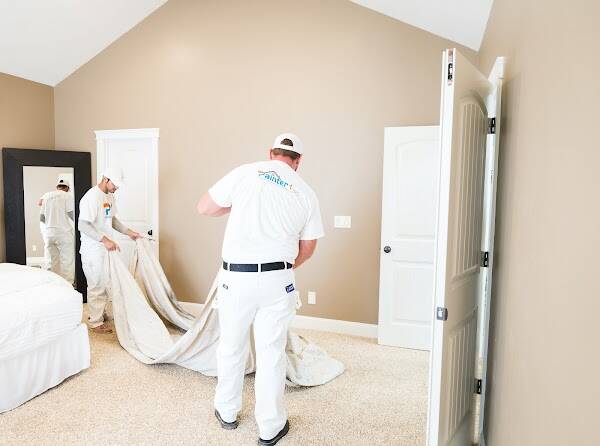
That 1 Painter Chattanooga
Legacy Builders Chatt LLC
Why: Strongest review activity in the last 90 days.
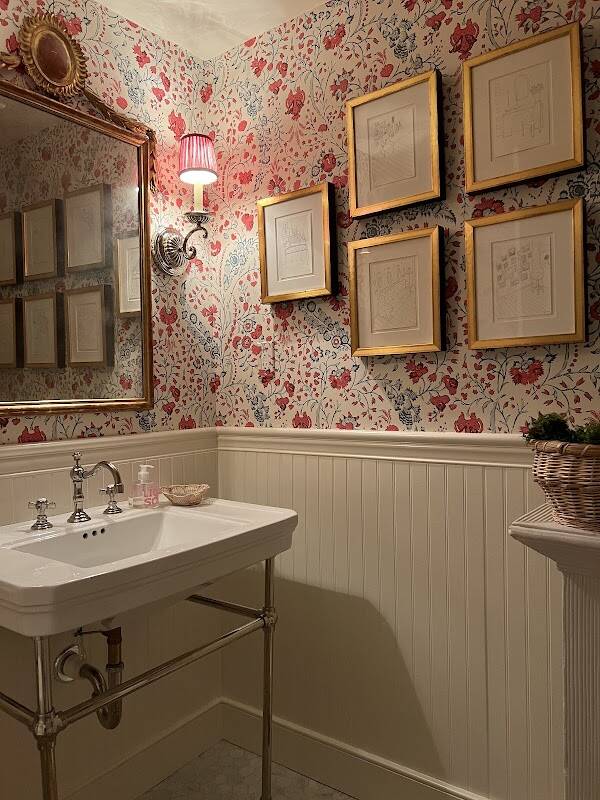
Build Forza Construction
Why: Specialist with a long local track record.
All General Contractors contractors in Tennessee
General Contractors contractors in other Tennessee cities
- Bartlett
- Clarksville
- Cordova
- East Chattanooga
- Franklin
- Hendersonville
- Jackson
- Johnson City
- Kingsport
- Knoxville
- Memphis
- Murfreesboro
- Nashville
- New South Memphis

