
General Contractors in Arlington, Texas: A Local Homeowner’s Guide
In Arlington, which permits and neighbor notifications apply for additions?
From small updates to major renovations, Arlington contractors deliver. In a city that anchors the Mid-Cities between Dallas and Fort Worth, additions and large remodels typically require city review, clear plans, and coordinated inspections. Expect a building permit for structural changes, plus separate trade permits when electrical, plumbing, or HVAC work is involved. Professional drawings help the City of Arlington confirm setbacks, load paths, and utility tie-ins. If the work touches the public right-of-way—like expanding a driveway apron—additional authorization is usually required. For homes in an HOA, plan on an architectural review before city submittals to keep the project sequence moving smoothly.
Neighbor notifications are often a matter of good project etiquette in Arlington’s established neighborhoods, where lot lines and fences are close. While the city does not commonly mandate door-to-door notices for residential additions, HOAs may require owner notifications, and contractors frequently post visible permit cards and site signage per local practice. When projects use temporary street parking for crews or dumpsters, a courtesy note to adjacent households helps maintain access and reduces friction. For projects that temporarily impact sidewalks or alleys, plan for safe, signed pedestrian routing as directed by local guidelines. All of this is part of proactive project management that keeps inspections on time and relations with neighbors positive.
However, homeowners should weigh schedule pressure against thorough preparation: rushing submittals without complete drawings or not confirming HOA timelines can lead to resubmittals and delays later, which are far more disruptive than a few extra days spent setting the stage correctly.
How should Arlington homeowners structure draw schedules and lien waivers?
Clear draws and signed lien waivers keep projects predictable. In Arlington, seasoned contractors align payments with tangible milestones: mobilization and procurement; demolition and framing; rough-in MEPs; inspections; drywall and trim; then finishes and final completion. Each draw should match completed work and stored materials documented on site. A small retainage held until punch-list completion and final documents protects quality at the finish line. Tie payments to inspection sign-offs where applicable so progress and compliance stay in sync.
Use lien waivers consistently. Conditional waivers are exchanged alongside each payment, then replaced with unconditional waivers once funds clear. Request waivers not only from the general contractor, but also from major subcontractors and material suppliers named on invoices. Never release a payment draw without a signed, unconditional lien waiver for the exact amount paid. This paperwork discipline prevents surprises and keeps titles clean if a refinance or sale follows the remodel.
However, some smaller projects may call for a simpler structure—such as an initial deposit to order long-lead materials and a final payment at completion—but owners should still require signed waivers and written proof of delivery to reduce risk.
How to inspect storm-damaged structures before renovation in Arlington?
North Texas sees hail, high winds, and storm-driven moisture, and Arlington homes take their share. A calm, step-by-step inspection prevents compounding damage and keeps insurance, city requirements, and the construction plan aligned. Start with safety, stabilize the structure if needed, then document everything carefully before tear-out begins.
-
Roof and exterior envelope: From the curb and with safe roof access, look for missing shingles, exposed underlayment, hail bruising, bent ridge vents, and damaged flashing—especially around chimneys and wall intersections. Check gutters and downspouts for dents and blockages that can push water toward foundations. Attic reviews matter in humid, stormy periods—look for daylight at penetrations, wet sheathing, or compressed insulation. Tarping or a temporary shrink wrap helps Arlington homes avoid repeat intrusions during back-to-back storm cells common in spring.
-
Structure and framing: Inside, scan ceilings and corners for new cracks, sagging drywall, or doors that suddenly stick—signs of movement after wind uplift or water loading. Probe soft drywall and trim to find the boundaries of moisture. If rafters, trusses, or major beams show deflection or splitting, bring in a licensed structural engineer before design begins. Documentation (photos with dates and wide shots for context) supports both claims and permit discussions.
-
Moisture and indoor air quality: With coastal humidity drifting into the Metroplex, trapped moisture in wall cavities can linger. Use a moisture meter to verify readings before closing up. Remove wet materials promptly and run targeted dehumidification; then re-check to confirm dry standards. This prevents mold growth and preserves the schedule once renovation kicks off.
When storm repairs and upgrades are bundled into a planned renovation, project management synchronizes remediation, inspections, and rebuild tasks so the home returns to service faster and stronger.
Which retrofitting options improve home resilience in Arlington?
Retrofitting in Arlington focuses on defending against wind, hail, and moisture while keeping energy performance steady in long warm seasons. Impact-resistant roofing and upgraded underlayments form a strong first line of defense. Sealed roof decks, better flashing at chimneys and sidewalls, and high-quality ridge and soffit ventilation reduce water entry and humidity buildup. Durable gutters with larger downspouts move stormwater away from slabs and planting beds.
Garage door bracing is a smart upgrade, because wide doors can flex under wind pressure and affect the whole envelope. Window and door improvements—new units or careful re-flashing and pan flashing on existing frames—tighten the shell without changing the home’s character. Surge protection for HVAC and major appliances shields equipment during lightning-heavy storms. For comfort and continuity, consider a generator interlock or transfer switch, sized to essential circuits. These choices blend into older ranches and newer builds alike, supporting Arlington’s mix of home ages and styles without sacrificing curb appeal.
What does effective project management look like on Arlington renovations?
In Arlington’s active market, effective project management starts before demo. The contractor aligns HOA approvals with city permitting, locks in long-lead materials, and builds a milestone schedule that anticipates inspection timing. Procurement is sequenced around local suppliers and regional distribution hubs, keeping framing packages, windows, and HVAC equipment on site when crews need them. A communication plan sets weekly updates, photos, and change-order protocols so owners know what’s next.
On site, clean staging and predictable parking matter in close-lot neighborhoods. When work occurs near the Entertainment District, deliveries are timed to avoid event traffic so trades and inspectors can access the property. Weather contingencies are baked in—temporary dry-in materials, dehumidification for damp days, and flexibility for pop-up thunderstorms. Quality control checklists track nailing patterns, rough-in heights, and waterproofing details before walls close. Final documentation includes warranties, owner manuals, finish schedules, and a clear list of maintenance tasks that suit North Texas’ heat and storm season.
How should timelines, inspections, and punch lists be planned around Arlington’s seasons?
Good scheduling in Arlington accounts for humid spells, severe thunderstorms, and supply variation across the Metroplex. Dry-in steps are prioritized early so framing and rough-ins proceed without moisture setbacks. Drywall mud and interior coatings may need extra cure time during damp periods; a seasoned contractor staggers trades accordingly. City inspections are booked with breathing room, and tasks are grouped so passed inspections push work forward without idle time between crews.
Homeowners should expect a clearly mapped critical path: foundations and framing; MEP rough-in and inspections; insulation and drywall; trim, cabinetry, and tile; then paint and finishes. A pre-punch walk catches visible issues before fixtures and hardware arrive. The final punch list is finite and dated, tied to retainage release, and followed by a closeout package: product registrations, care guides, and as-built notes that help future service calls. This planning lets Arlington households move back in predictably—even when spring storms pass through.
A well-managed project delivers both structural integrity and design satisfaction. Ask about project management in Texas.
Frequently Asked Questions About general contractors in Arlington, Texas
-
Do general contractors in Arlington handle HOA approvals and city permits together?
Many full-service contractors coordinate HOA architectural reviews alongside city permitting to streamline the start of construction. This sequencing prevents resubmittals and keeps inspections aligned with the build schedule. Homeowners still provide HOA documents and signatures, while the contractor organizes plan sets and submittal timing.
-
What payment plan avoids overpaying on a Texas remodel?
Milestone-based draws tied to visible progress are the safest approach. Payments typically align with procurement, rough-ins, inspections, and finishes, with a modest retainage held until the punch list is complete. Each draw should be matched by current invoices and signed lien waivers from the contractor and key subs.
-
After hail or wind damage, what should be documented before meeting an adjuster?
Capture wide and close-up photos of roof surfaces, flashing, gutters, and any interior staining or cracks. Note attic moisture, damaged insulation, and any structural concerns. This record supports the scope, informs city inspections later, and helps the contractor design the repair and renovation plan.
-
Which upgrades help older Arlington homes handle spring storms better?
Impact-resistant roofing, improved underlayments, and careful re-flashing at windows and doors significantly reduce water intrusion. Reinforced garage doors and right-sized gutters improve the envelope’s performance in high winds and heavy rain. Surge protection for HVAC and essential circuits adds durability during lightning events.
-
How do Arlington events and weather affect construction schedules?
Contractors plan deliveries and inspections to avoid traffic near major venues and build in weather contingencies for pop-up storms. Temporary dry-in materials and dehumidification keep interiors on track during humid periods. A well-managed schedule groups inspections and staggers trades to maintain momentum.
-
What belongs on a final walk-through and punch list for an Arlington renovation?
Owners and the contractor verify operation of doors, windows, fixtures, and appliances, then note minor touch-ups in a dated list. Documentation should include warranties, care instructions, and as-built notes for future maintenance. Retainage release is tied to completing this list and delivering the closeout package.
Top Rated General Contractor Contractors in Arlington
Based on verified ratings, recent review activity and license standing. How we pick
 +3 photos
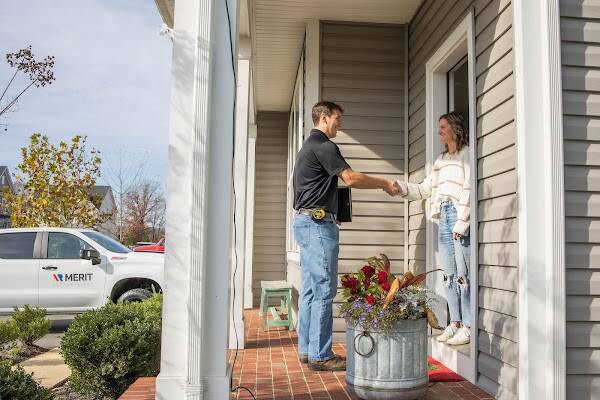
Merit Restorations
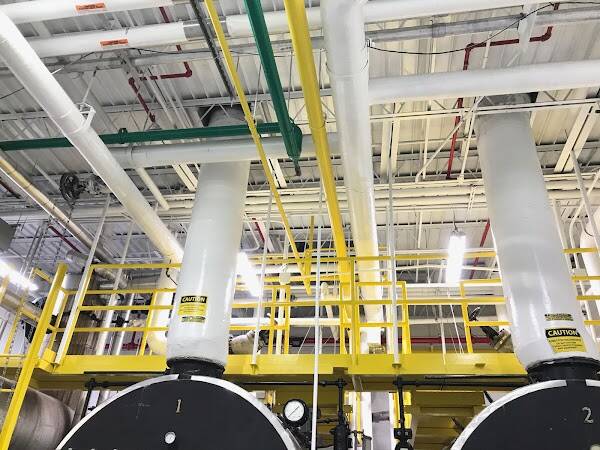
Keen Painting and Renovations
Why: Strongest review activity in the last 90 days.
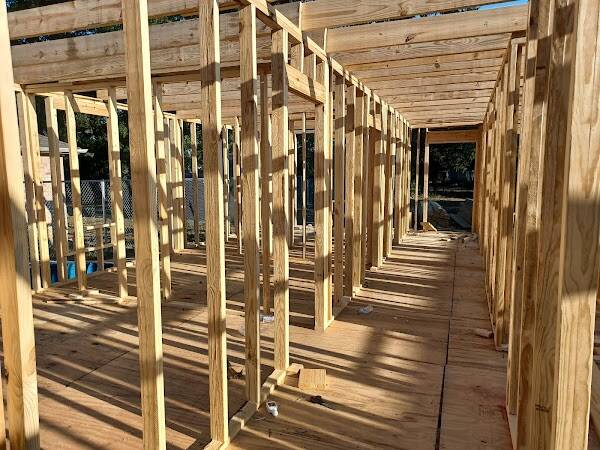
Kingdom Construction
Why: Specialist with a long local track record.
All General Contractors contractors in Texas
General Contractors contractors in other Texas cities
- Austin
- Amarillo
- Brownsville
- Waco
- Carrollton
- San Antonio
- Corpus Christi
- Plano
- Cypress
- Pasadena
- Dallas
- Midland
- El Paso
- Mesquite
- Fort Worth
- McKinney
- Frisco
- McAllen
- Garland
- Lubbock

