
Homeowner’s Guide to General Contractors in Garland, Texas
Which materials reduce hail and wind damage on Garland homes? (explained for local homeowners)
Across Texas, homeowners rely on licensed contractors for remodels, additions, and major repairs. In Garland—set northeast of Dallas and squarely in the path of spring hail, straight‑line winds, and storm‑driven Gulf moisture—material choices matter as much as craftsmanship. The goal is simple: protect the envelope of the house so wind and water never find an easy way in. The good news is that several proven products and assemblies can calm worries and keep repairs to a minimum after severe weather.
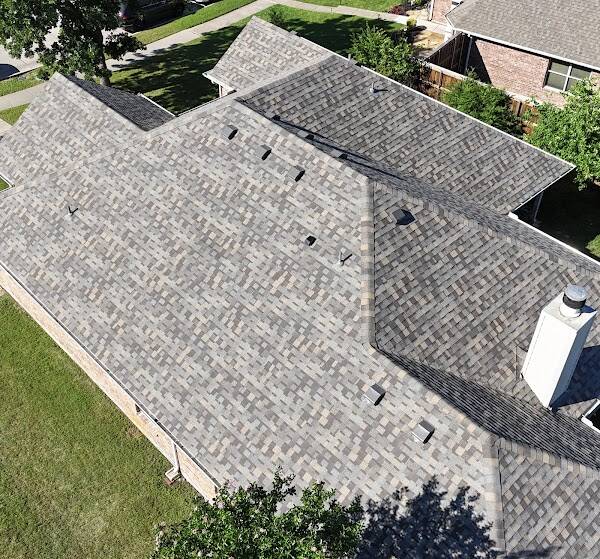
On the roof, Class 4 impact‑resistant asphalt shingles are a practical upgrade for many of Garland’s brick ranch and 1970s–1990s homes. Their reinforced mats help reduce hail bruising, and when installed with high‑quality starter strips, ridge caps, and sealed flashing, they stand up well to wind. Homeowners seeking a longer service life often choose standing‑seam metal (24–26 gauge) with concealed fasteners; it sheds wind‑driven rain effectively and resists hail better than thinner exposed‑fastener panels. Regardless of the covering, pair the system with synthetic underlayment and self‑adhered membrane in valleys and around penetrations to block moisture if wind lifts shingles or panels.
Siding and openings deserve equal attention. Fiber‑cement siding shrugs off hail that can crack vinyl, and it holds paint well in humid summers. Laminated glass or impact‑rated windows reduce the chance of glass shatter, and properly flashed frames keep out wind‑driven rain. A wind‑rated, reinforced garage door prevents pressurization of the garage—a common starting point for storm damage. Finally, oversized 6‑inch gutters with securely fastened downspouts help move heavy rain away from slab foundations and landscaping, limiting water intrusion in the clay soils common to Dallas County.
Quick comparison homeowners often consider:
- Class 4 asphalt shingles: lower upfront cost, broad style choices; may show cosmetic hail marks over time.
- Standing‑seam metal: excellent wind and hail performance, long life; higher initial cost and requires experienced installers.
Attention to details—proper fasteners, sealed roof‑to‑wall transitions, correctly lapped flashing, and balanced attic ventilation—makes these materials perform as intended in Garland’s storm season.
How do GCs manage permit timelines and inspections in Garland? (explained for local homeowners)
In Garland, reputable general contractors act as the project’s navigator—scoping the work, submitting permit applications to the City of Garland, and scheduling inspections in an order that keeps momentum. The exact timeline depends on scope, seasonal volume, and whether engineering is required, but the process is straightforward when handled by a local pro.
First, they define scope and drawings. For additions, wall removals, or structural changes common in mid‑century and 1970s homes, a GC coordinates measured drawings and any needed engineering. Clear plans prevent delays by giving the building department and inspectors the details they expect. For cosmetic work without structural, electrical, plumbing, or mechanical changes, permits may be limited—an experienced GC will advise what the City requires so nothing gets overlooked.
Second, they submit and track the permit. Most licensed or city‑registered contractors maintain profiles with the local building department and upload submittals through the city’s established process. They respond to plan‑review comments, adjust drawings if needed, and post the permit on site before work begins. During construction, the GC schedules required inspections—often including foundation or footing (when applicable), framing, rough‑in for trades, insulation, and final. If an inspector notes corrections, the GC manages fixes and reinspection to avoid costly slowdowns.
Third, they coordinate logistics around North Texas weather and neighborhood conditions. Garland’s storm‑driven moisture can affect pour schedules and roof tear‑offs, so a GC watches the forecast and sequences work to protect open areas. When projects sit near DART Blue Line corridors or busier streets, they plan deliveries and dumpster placement for safety and compliance. Communication is key: homeowners are briefed on inspection windows, temporary utility shutoffs, and when rooms will be accessible again. This steady, local approach keeps the project compliant and moving.
In Garland, what are the warning signs of unlicensed or uninsured contractors in Garland?
Fraud and shortcuts tend to surface after storms when hail and wind claims surge across Dallas County. A little diligence protects the household and the investment.
Start with verification. Ask for a current certificate of insurance sent directly from the contractor’s insurer, showing general liability (and workers’ compensation if the firm carries it). Confirm state licenses for any trade work that requires them in Texas, such as electrical, plumbing, or HVAC, and confirm city registration when applicable. Be wary of anyone asking the homeowner to “pull the permit” as an owner‑builder for a contractor‑run job; reputable GCs handle permits themselves. Watch for cash‑only bids, out‑of‑state plates camping in neighborhoods after storms, no local address, no written scope, or quotes that undercut competitive bids by an unrealistic margin. Demand a detailed contract, brand/model specifications, milestone‑based payments, and lien releases with each draw. Check references from recent Garland projects and look for a consistent presence in the Dallas–Fort Worth area—not just a phone number and a P.O. box. Never sign anything under pressure or hand over a large upfront payment to a door‑to‑door “storm specialist” before verifying licensing, insurance, and the company’s physical presence in the area. These steps are procedural, not confrontational, and reputable contractors will welcome them.
Which renovations add the most value to homes in Garland?
Value in Garland comes from durability, comfort in humid summers, and updates that fit the city’s brick ranches and 1970s–1990s subdivisions. Kitchens and bathrooms consistently return strong interest from buyers. Midrange kitchen remodels with durable quartz, practical cabinet storage, LED lighting, and a tile backsplash freshen older layouts without overspending. In bathrooms, converting a tub to a low‑threshold shower, adding ventilation that actually exhausts outdoors, and choosing moisture‑tolerant finishes perform well in storm‑season humidity.
Exterior and efficiency upgrades are equally important. A Class 4 impact‑resistant roof can reduce future storm repairs and may qualify for insurance considerations—carriers set their own rules, so homeowners should confirm details with their agent. Fiber‑cement siding withstands hail and holds paint, while modern windows and properly flashed doors cut drafts during windy cold snaps. Attic air sealing and insulation help HVAC systems keep up in August heat, and sealed ductwork reduces energy waste.
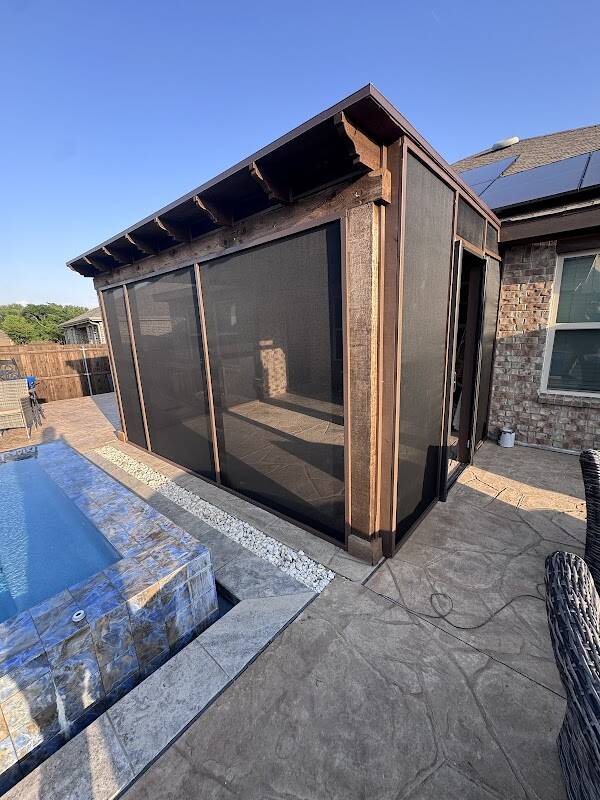
Outdoor living remains a strong draw across the Dallas–Fort Worth metroplex. Covered patios, shade structures, and decking built with proper drainage let families enjoy evenings even after pop‑up storms. Simple curb‑appeal moves—an attractive, wind‑rated garage door, a well‑detailed front entry, and refreshed landscaping—also elevate resale. The guiding principle: choose upgrades that stand up to Garland’s weather while fitting the neighborhood character, rather than chasing trends that don’t match local homes.
What should homeowners compare in bids and contracts for Garland projects?
Apples‑to‑apples comparisons prevent surprises. Each proposal should list clear scope, drawings referenced, specific materials by brand and model (or written performance standards), and who handles permits and inspections with the City of Garland. Look for a start window and a realistic sequence of milestones that considers North Texas weather—especially for roofing, exterior paint, concrete, and window replacements. Allowance categories (appliances, tile, fixtures) should include realistic numbers for the finishes the household expects, not bare‑minimum placeholders.
Protection terms matter. Payment schedules should be tied to milestones—demo complete, rough‑ins approved, cabinets installed—not to the calendar, and should avoid large upfront payments. Require conditional lien releases with each draw from the GC and any major subcontractors. Make sure the contract names the warranty period for workmanship, includes proof of current insurance, and spells out the change‑order process in writing before changes occur. Clarify site logistics: debris removal, daily cleanup, temporary protection from rain, and where materials will be staged so neighbors and HOA rules are respected.
Finally, ask about lead times and weather contingencies. Some products, like custom windows or specialty metal roofing, have longer order cycles; a skilled contractor will time tear‑offs and deliveries to avoid leaving the home exposed during storm‑driven moisture events. Keep your project on track with a skilled contractor in Garland. Contact a licensed contractor in Texas today.
Frequently Asked Questions About general contractors in Garland, Texas
-
Are impact-resistant shingles worth it for North Texas hail, or should metal roofing be considered?
Impact-resistant shingles are a cost-effective upgrade that help reduce hail damage, especially when paired with quality underlayment and flashing. Standing-seam metal offers superior durability and wind performance but costs more upfront. The best choice depends on budget, neighborhood aesthetics, and installer experience. A local GC can compare options specific to the home’s roof pitch and exposure.
-
What can delay a residential building permit in Garland, and how can a contractor prevent it?
Incomplete plans, unclear scope, and missing engineering details are common causes of delays. Experienced GCs submit complete packages, answer plan-review comments quickly, and schedule inspections in the correct order. They also plan around weather and holidays to keep work moving. Clear drawings and early coordination typically shorten the path to approval.
-
Which insurance documents should be requested before any work starts?
Homeowners should request a certificate of insurance sent directly from the contractor’s insurer, showing current general liability and, if carried, workers’ compensation. It’s wise to verify state licenses for any regulated trades involved and confirm city registration when applicable. Lien releases tied to payments add another layer of protection. Reputable firms provide these documents without hesitation.
-
What renovations tend to boost resale in Garland’s older brick neighborhoods?
Well-planned kitchen and bath updates, impact-resistant roofing, fiber-cement siding, and energy improvements (air sealing, insulation, efficient windows) resonate with local buyers. Outdoor living additions such as covered patios also perform well. These projects align with Garland’s weather and housing stock. Avoid over-customization that doesn’t fit nearby homes.
-
What must be included in a Texas remodeling contract to avoid surprises?
Contracts should list detailed scope, specific materials or performance standards, permit responsibilities, milestone-based payments, and warranty terms. Change-order procedures, insurance proof, and lien releases should be in writing. Cleanup, debris hauling, and weather protection belong in the agreement. These elements ensure clear expectations and smoother inspections in Garland.
Top Rated General Contractor Contractors in Garland
Based on verified ratings, recent review activity and license standing. How we pick
 +3 photos
Spyder Roofing
JPL Construction LLC
Why: Strongest review activity in the last 90 days.
Vantex Construction
Why: Specialist with a long local track record.
All General Contractors contractors in Texas
General Contractors contractors in other Texas cities
- Grand Prairie
- Frisco
- Houston
- Fort Worth
- Irving
- El Paso
- Killeen
- Dallas
- Laredo
- Cypress
- Lubbock
- Corpus Christi
- McAllen
- Carrollton
- McKinney
- Brownsville
- Mesquite
- Austin
- Midland
- Arlington

