
Huntsville Homeowners’ Guide to Hiring a General Contractor
Which moisture and attic ventilation upgrades reduce issues in Huntsville?
A trusted contractor in Huntsville makes home improvement easy. In practical terms for our climate, that starts with controlling moisture and heat in attics, crawlspaces, and bathrooms because North Alabama’s long, humid summers and frequent thunderstorms push warm, wet air into leaky assemblies. Many Huntsville houses—from mid‑century brick ranches built during the early space era to newer slab‑on‑grade homes in fast‑growing subdivisions—develop attic hot spots, condensation on roof decks, and musty crawlspaces when ventilation and air sealing are mismatched. A reputable GC will pair continuous soffit intake with a ridge vent and install baffles to keep airflow paths open above insulation, then air‑seal ceiling penetrations so you’re not venting conditioned air. Power attic fans are common here, but they can depressurize the house and pull humid air from the living space if air sealing is skipped, so they’re best considered only after sealing and balanced passive ventilation. In bathrooms and laundry rooms, quiet fans ducted to the exterior (not into the attic) with timers or humidity controls help during our muggy months and after winter cold snaps that bring sharp temperature swings. For crawlspaces, sealed liners, taped seams, rim‑joist air sealing, and a small, properly controlled dehumidifier tame summer humidity and reduce seasonal cupping in wood floors common in older Huntsville neighborhoods. Quick comparison: Ridge‑and‑soffit system—Pros: low maintenance, even airflow, no electricity; Cons: needs clear soffit paths and baffles. Power attic fan—Pros: active cooling on peak days; Cons: can pull indoor air and moisture if air sealing is incomplete and adds moving parts.
How to structure GC agreements and allowances for Huntsville whole-home remodels?
With Huntsville now the most populous city in Alabama and its population up roughly 15.9% since 2020, demand for subcontractors and materials is high, so your contract needs to be unambiguous about scope and selections. Start with a detailed scope of work tied to drawings, then add a finishes schedule that lists brands or performance tiers for cabinets, flooring, windows, and fixtures commonly upgraded in our mix of 1960s homes and newer builds. Use allowances only where items are truly undecided, and make them realistic for Huntsville showrooms so you’re not pricing to a level that doesn’t exist locally; tie each allowance to a vendor list and a decision deadline. Spell out who handles engineering for structural changes, especially in older brick veneer ranch homes where wall removals require careful lintel and load path planning. Include a written process for unforeseen conditions (for example, hidden termite damage or outdated wiring commonly found in older neighborhoods) with photo documentation and a pre‑set markup for change orders. Decide on contract type with eyes open: Fixed‑price—Pros: cost certainty and lender‑friendly; Cons: less flexibility and higher contingency baked into the price. Cost‑plus—Pros: transparency and easier changes; Cons: variable final cost and more bookkeeping for the owner. In a fast‑growing market like Huntsville, clear selections, dates, and change‑order rules aren’t paperwork—they’re schedule and budget control.
How does project scheduling differ between large and small renovations in Huntsville?
Scale drives sequencing, and in Huntsville’s busy metro—spanning Madison County and parts of Limestone, Marshall, and Morgan—travel time and crew availability amplify the differences. Small projects such as a bathroom update or window replacement can often slot between larger jobs and work around our summer afternoon storm pattern, but they still need lead time for special‑order items popular in newer subdivisions. Whole‑home remodels in mid‑century neighborhoods require phased planning to keep parts of the house livable while addressing electrical, HVAC, and structural work that can’t be piecemealed without rework. For exterior tasks like roofing, siding, and masonry, many GCs target cooler, drier windows in fall and late winter to avoid the most humid days that slow adhesives and paint cure times, while interior trim and flooring benefit from stable indoor humidity set by temporary HVAC or dehumidification. Material logistics matter: cabinets, windows, and specialty doors can have unpredictable lead times as Huntsville’s growth strains regional supply chains, so your schedule should tie critical path tasks to confirmed delivery dates rather than optimistic estimates. Utility coordination and HOA architectural reviews in fast‑growing neighborhoods can add weeks if not started early, so a seasoned GC fronts that paperwork before demolition. Practical comparison: Large renovation—Pros: comprehensive updates and fewer return trips; Cons: longer permitting, more inspections, and higher risk of supply delays. Small renovation—Pros: quicker cycle and easier to schedule around weather; Cons: multiple small mobilizations can add cost if phased poorly.
How do local codes affect energy-efficient construction in Huntsville?
In Huntsville, energy‑minded upgrades move forward fastest when the GC aligns design choices with what local building officials will review during plan check and inspections, then builds a submittal packet accordingly. Because the city spans multiple counties, homeowners on the edges of the city limits may interact with different departments, so your contractor should confirm which office—city or county—will review your project and what documentation they expect. Rather than guess at rules, an experienced GC will verify in advance how the local authority wants to see insulation details, window and door performance data, mechanical system sizing documentation, and ventilation design information, then coordinate site inspections to match. For existing homes, practical efficiency gains in Huntsville often center on air sealing, right‑sized HVAC, duct improvements, attic insulation upgrades, and window replacements that balance summer heat load with winter cold snaps; your GC can phase these so testing and inspections (where applicable) happen without rework. The growth of the metro means inspectors’ calendars can fill quickly, so scheduling inspections early and grouping trades reduces downtime and keeps energy‑related tasks from holding up finishes. If your home sits in one of the older Huntsville neighborhoods, plan for additional verification when existing framing and brick veneer complicate window and air‑barrier tie‑ins; in newer subdivisions, plan around HOA guidelines that may limit visible exterior changes. Enjoy peace of mind with a reliable contractor in Huntsville. Get a quote for your remodel in Huntsville.
Top Rated General Contractor Contractors in Huntsville
Based on verified ratings, recent review activity and license standing. How we pick
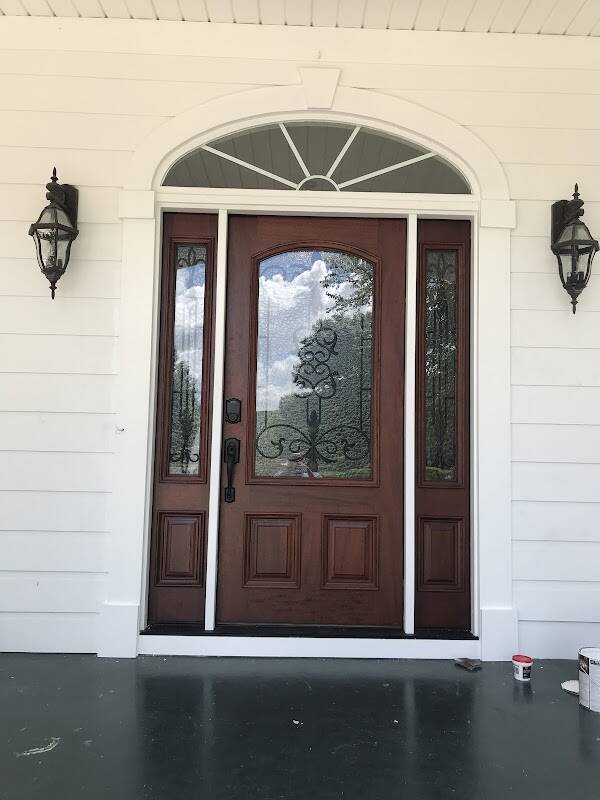 +3 photos
R&M Home Renovations & Concrete LLC

Pearce Construction Co Inc
Why: Strongest review activity in the last 90 days.

Schoel, Huntsville
Why: Specialist with a long local track record.
All General Contractors contractors in Alabama

