
Chandler Homeowner’s Guide to Hiring and Working with General Contractors
How do general contractors estimate project costs in Chandler?
In Arizona, licensed pros manage every detail from permits to final inspection. When I review bids around Chandler—especially in master-planned areas like Ocotillo, Fulton Ranch, and Sun Groves—I see contractors start with scope clarity and local labor availability, then layer in material lead times common to the East Valley. Estimates here account for stucco and tile-roof detailing, block wall tie-ins, and concrete work on lots that can include caliche or post-tensioned slabs typical of many 1990s–2000s homes. Good bids reflect the calendar, too; crews price in heat-season productivity and monsoon buffers because a surprise microburst can push a roof or exterior paint schedule by days. You’ll notice allowances for finishes (tile, fixtures, windows) that are shaped by Phoenix-Mesa-Chandler market supply, which can fluctuate during peak building months. In HOA communities, contractors often include time for architectural reviews and resubmittals—those aren’t construction costs, but they impact the build schedule and therefore the bottom line. Finally, strong estimators in Chandler walk the site, checking access in cul-de-sacs, verifying where dumpsters can sit without HOA issues, and spotting risk items like aging underlayment on clay or concrete tile roofs that may require replacement once opened up.
Which construction techniques make homes more storm-resistant in Chandler?
Monsoon season brings quick-hitting wind, dust, and hard rain across the East Valley, so I look for details that keep wind-driven water out and assemblies tight. Roofs perform best with a well-sealed deck and careful underlayment laps, plus kick-out flashing where roofs meet stucco walls; with tile roofs, that underlayment is the real weather barrier, so quality matters. Truss tie-downs and continuous load paths help keep roof structures steady during microbursts, and hip roofs tend to shed wind better than tall gables. On stucco exteriors, properly installed control joints and weep screeds help manage moisture that rides in with dust and rain, reducing hairline cracking and staining. Around patios and entryways, I like to see anchored shade structures and securely fastened fascia so gusts don’t turn them into projectiles. Ground-level resilience matters too—grading that moves water away from the slab, clear scuppers at parapets, and yard drains that don’t dead-end at block walls all reduce the chance of pooling during a sudden downpour. For windows and doors, modern sealing at penetrations and well-set pans under sills make a noticeable difference when a haboob pushes grit and moisture against the façade.
What happens during a city building inspection in Chandler?
On permitted work, the city inspection sequence typically follows the construction phases so the inspector can see systems before they’re covered and then again at completion. Early on, the inspector visits for rough checks after framing and major mechanical, plumbing, and electrical runs are in place, comparing the approved plans to what’s installed. They look for workmanship and safety basics in a methodical way, and if something needs attention, they leave a correction notice so the team can address it before moving forward. Once insulation and finishes are ready, a final inspection verifies that the project aligns with the permit scope and that the site is clean, accessible, and ready for use. In busy seasons across the Phoenix-Mesa-Chandler area, appointment windows can book up, so good contractors reserve inspection times ahead and keep ladders, access panels, and documentation ready. My walkthroughs ahead of inspections often catch small items—missing fasteners, unsealed penetrations, incomplete trim—that, when handled early, make for a smooth sign-off. If a re-inspection is needed, it’s usually focused on previously noted items, and organized contractors close those out quickly to keep momentum.
How can Chandler homeowners avoid unexpected construction costs?
From Downtown’s older bungalows to newer East Valley subdivisions, surprises usually surface where scope is fuzzy or hidden conditions haven’t been explored. Ask your contractor to open strategic inspection points—like checking roof underlayment condition under a few tiles or scanning post-tensioned slabs before any interior trenching—so the estimate reflects reality. In HOA neighborhoods, build a little time for architectural reviews; rushing selections or submittals can delay approvals and trigger costly rescheduling of trades. For exterior work, plan around monsoon patterns and extreme heat—tight schedules with no weather buffer often lead to overtime or rework after a sudden storm. Inside, decide on finish levels early; window lead times, cabinet choices, and specialty fixtures in the Phoenix-Mesa-Chandler market can vary widely, and last-minute changes ripple through budgets. Clarify site logistics too—dumpster placement, street parking rules, and material staging in Chandler’s cul-de-sacs can all affect labor efficiency. Clear scopes, permits, and scheduling protect budgets and timelines. Request a free consultation for your build in Chandler.
Top Rated General Contractor Contractors in Chandler
Based on verified ratings, recent review activity and license standing. How we pick
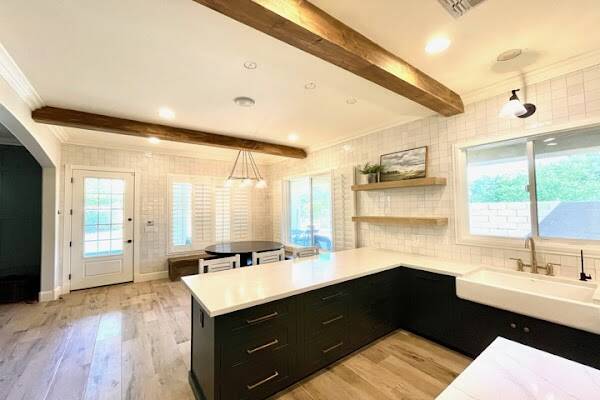 +3 photos
Builders Flooring & Design LLC
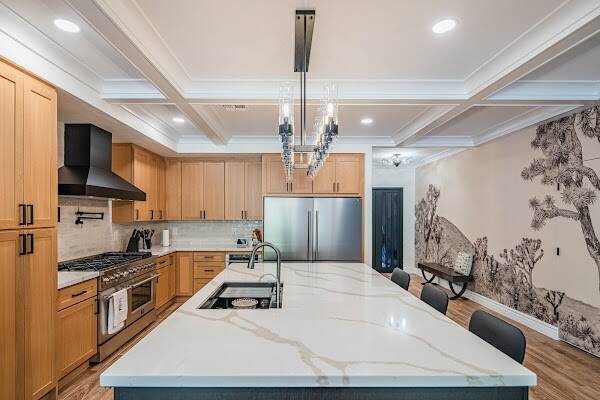
VIP Remodeling LLC
Why: Strongest review activity in the last 90 days.
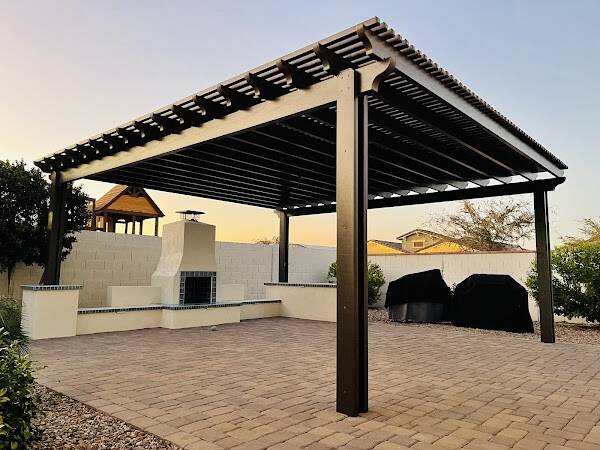
Cora Construction
Why: Specialist with a long local track record.
All General Contractors contractors in Arizona
General Contractors contractors in other Arizona cities
- Deer Valley
- Central City
- Encanto
- Casas Adobes
- Flagstaff
- Casa Grande
- Gilbert
- Avondale
- Glendale
- Alhambra
- Goodyear
- Ahwatukee Foothills
- Lake Havasu City
- Yuma
- Maryvale
- Tucson
- Mesa
- Tempe Junction
- Peoria
- Tempe

