
Broomfield, Colorado Homeowner’s Guide to Working with General Contractors
Which retrofitting options improve home resilience in Broomfield?
In Colorado, contractors coordinate all trades for seamless results. In Broomfield, that coordinated approach pays off because our Front Range weather can swing from sunny and dry to hail and heavy, wet snow within a season. Roofing is the first retrofit most homeowners consider, and impact-rated (Class 4) shingles, upgraded underlayment at eaves, and properly flashed penetrations stand up better to the hail bursts that roll across the Denver–Aurora–Lakewood metro area. Many split-level and ranch homes here also benefit from wind-rated garage doors and added roof-to-wall connections, which help with the strong downslope gusts Broomfield occasionally gets. Drainage upgrades—like correctly sized gutters, downspout extensions, and re-graded soil at the foundation—help keep basements drier during summer cloudbursts, and a battery-backed sump pump can add peace of mind in homes with below-grade living space. Because the Front Range often tests high for radon, it’s smart to test and, if needed, add a sub-slab depressurization system; a good general contractor will coordinate that specialty trade during broader renovations so you only open walls or slabs once.
Exterior surfaces take a beating here, so fiber-cement siding, thicker gauge steel, or modern engineered products tend to outlast basic vinyl when hail and UV exposure are both in the picture. Window upgrades can help too; laminated glass and robust frames resist impact better, while low-e coatings cut the high-altitude sun that fades floors and heats interiors. Many mid-century homes in Broomfield were built with minimal attic insulation by today’s standards, so professional air sealing around top plates and better attic insulation can tame temperature swings and reduce ice dams along north-facing eaves. If your property backs to open space or prairie, discuss ember-resistant vents and noncombustible zones near fences and mulch beds—grassfires can move quickly along the Front Range, and these small details add a layer of durability without changing the look of your home. For concrete walks and driveways, sealing and proper control joints help resist the freeze–thaw cycle that can spall surfaces each winter and spring. Electrical service upgrades are also common in older Broomfield neighborhoods; modern panels and dedicated circuits prepare a home for EV charging, heat-pump systems, or finished-basement projects without tripping breakers.
What should homeowners expect from a licensed general contractor in Broomfield?
A solid contractor will start with a thorough walkthrough, ask about how you actually use your spaces, and flag any Front Range-specific risks—hail exposure on west and south elevations, attic ventilation issues, drainage patterns, and radon test history. Expect a clear scope of work, a proposed schedule that accounts for material lead times and seasonal weather windows, and a communication plan that tells you who will be on site and when. Because Broomfield is a consolidated city and county, reputable pros know how to coordinate with one local government for permitting and inspections instead of bouncing between agencies, and they’ll explain how that affects sequencing. They should also be comfortable working in the mix of housing typologies you see here—from mid-century ranches and bi-levels to newer master-planned communities—so finish details and HOA considerations aren’t an afterthought. Insurance certificates and references from recent projects in Broomfield or nearby Front Range communities are standard, and you should receive them before you sign anything. Finally, a good contractor keeps a tidy jobsite, protects flooring and landscaping, and gives you regular updates so surprises are rare and manageable.
Local knowledge matters in a place that sits within the Denver–Aurora–Lakewood metropolitan area and along the Front Range urban corridor, where trades are busy and scheduling can get tight. A contractor who works here routinely will know when hail season tends to spike, which suppliers have reliable inventories, and how to phase exterior work so passing storms don’t ruin progress. They’ll also understand the practical side of working within a city and county serving more than 70,000 residents, where inspection calendars fill quickly and early booking is essential to keep projects on track. If your project touches mechanical, electrical, or plumbing systems, expect the general contractor to bring in licensed subs and coordinate their sequences to avoid rework. They should also discuss warranty coverage—both manufacturer warranties on products and their own workmanship warranty—so you’re covered after the final inspection. Above all, you should feel that the contractor is a guide and organizer, not simply a bidder; that’s the difference that shows up in smooth finishes and predictable timelines.
What should a general contracting agreement include in Broomfield?
Your agreement should put the big decisions in writing so the day-to-day goes smoothly. Look for a detailed scope of work, a list of materials and finishes with model numbers or allowances, and drawings or sketches when layout changes are involved. The contract should clearly state who handles permits and inspections with the City and County of Broomfield, and it should outline milestone inspections so everyone understands when work pauses for approvals. Payment terms should tie to progress—not just dates—with deposits sized to match initial mobilization and subsequent draws connected to measurable phases like “rough-in complete” or “dry-in achieved,” plus a final payment after substantial completion and punch list. Include a written process for change orders, how surprises behind walls will be handled, and how schedule impacts are managed when weather stalls exterior work. It’s also smart to address site protection, debris removal, neighbor communication, HOA approvals where applicable, warranty length, proof of insurance, and lien waivers from the contractor and their subcontractors at each payment.
Because Broomfield operates as a consolidated city and county, having permit responsibilities and inspection points spelled out reduces confusion and speeds up the calendar. If you’re comparing multiple bids, ask each contractor to price the same scope so you can evaluate apples-to-apples; services like American Home Quotes (AHQ) can help you gather and compare proposals from licensed contractors in the area. Make sure the agreement identifies a single project manager with decision-making authority, plus a realistic start window that accounts for prevailing lead times on items like windows, roofing, or specialty doors common in Front Range homes. For projects in older houses, ask that the contract include allowances for potential electrical upgrades or insulation improvements so you’re not renegotiating midstream. Clarify access hours and noise expectations, especially in denser neighborhoods where crews may be working close to neighbors’ yards. When all of these pieces are in the contract, you reduce surprises and give your project the structure it needs to finish on time and on budget.
What are the warning signs of unlicensed or uninsured contractors in Broomfield?
Be cautious if someone shows up right after a hailstorm offering a “today-only” deal, wants you to sign a contingency on the spot, or can’t clearly explain how they’ll schedule work around fast-changing Front Range weather. Another red flag is a request for a large cash deposit before any materials are ordered, or pressure to pull a homeowner permit so they can avoid scrutiny—reputable contractors are comfortable coordinating permits and inspections with the City and County of Broomfield. Vague estimates without product names, missing brand/model details, or a single line item for “labor and materials” make it hard to compare bids and often hide shortcuts. If a contractor can’t provide current insurance certificates, won’t name the licensed trades they use for mechanical, electrical, or plumbing work, or dodges questions about lien releases, it’s wise to step back. Out-of-area storm chasers may have limited references in Broomfield or the greater Denver–Aurora–Lakewood area, and they often offer warranties that are hard to enforce once they leave town. Trust your instincts: if scheduling, communication, or documentation feels slippery at the interview stage, it rarely improves once demolition starts.
You can also learn a lot from how a contractor talks about local conditions. Pros who work here routinely will mention hail-resistant materials, radon testing timelines, and inspection pacing in a consolidated city and county serving a population north of 70,000; if those topics never come up, they may not be thinking ahead. Ask for two or three references from recent Front Range projects and call them; listen for whether the contractor handled weather delays professionally and kept the site secure and clean. Verify a local physical address and the ability to visit current jobsites—with permission—so you can see organization and safety practices first-hand. Above all, insist on a written contract, staged payments, and transparency around who is on your property and when. Keep your home protected with regular contractor check-ins in Broomfield. Contact a licensed contractor in Colorado today.
Top Rated General Contractor Contractors in Broomfield
Based on verified ratings, recent review activity and license standing. How we pick

Company Roofing and Exteriors
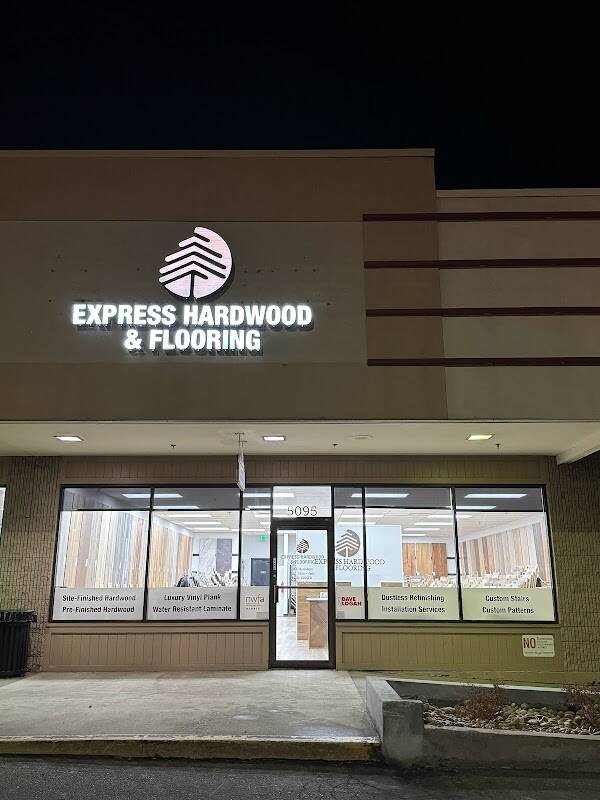
Express Hardwood & Flooring
Why: Strongest review activity in the last 90 days.
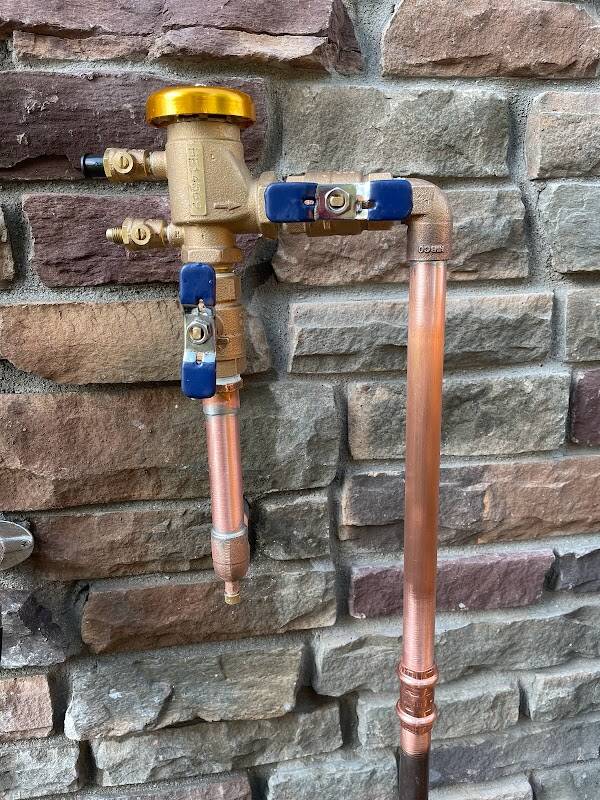
Altitude Irrigation
Why: Specialist with a long local track record.
All General Contractors contractors in Colorado
General Contractors contractors in other Colorado cities
- Arvada
- Aurora
- Boulder
- Castle Rock
- Centennial
- Colorado Springs
- Commerce City
- Denver
- Fort Collins
- Grand Junction
- Greeley
- Highlands Ranch
- Lakewood
- Longmont
- Loveland
- Pueblo
- Thornton
- Westminster

