
Wilmington, Delaware Homeowner’s Guide to Hiring General Contractors
From kitchen remodels to new builds, Wilmington contractors handle it all. In Delaware’s most populous city, where neighborhoods sit between the Christina River and Brandywine Creek and downtown activity feeds into the larger Delaware Valley, projects succeed when planning reflects local conditions. The best teams bring city-savvy scheduling, river-adjacent moisture awareness, and New Castle County know‑how to keep timelines and budgets realistic.
How do general contractors estimate project costs in Wilmington?
Estimating in Wilmington starts with scope, drawings, and a walk‑through that accounts for the city’s mix of older and newer homes, since decades‑old systems can affect demolition, framing, and utility upgrades. Contractors look closely at access and logistics—tight streets, alley deliveries, and proximity to the Christina and Brandywine corridors can influence staging, crane access, and waste hauling. Material pricing reflects Delaware Valley supply chains, with lead times and availability for items like masonry, windows, or specialty roofing factored into contingencies. Labor rates are tied to licensed trades availability in New Castle County, and schedules consider inspection sequences with the county and city where applicable, without assuming specific permit costs or code details. Site conditions matter too: soils and drainage near river lowlands may require extra foundation or waterproofing work, which is priced after testing or exploratory demolition. To keep numbers transparent, reputable contractors break estimates into phases and include allowances for selections you haven’t finalized yet, then convert those to fixed prices once you choose products. – Common Wilmington cost drivers often include: access/staging constraints, unforeseen conditions in older structures, drainage/waterproofing needs, and inspection-related sequencing that affects labor efficiency.
What should a general contracting agreement include in Wilmington?
A solid agreement in Wilmington clearly defines scope tied to plans and specifications, so the contractor, homeowner, and any New Castle County or city reviewers stay aligned as work progresses. It should spell out a realistic schedule with milestones that account for material lead times common in the Delaware Valley and the sequence of inspections, plus how delays outside either party’s control will be handled. The payment structure—deposit, progress draws keyed to inspections or completed phases, and a retainage—needs to be explicit, along with a detailed allowance list for items like cabinets, fixtures, or flooring and how overages/credits are reconciled. Insurance and licensing requirements should be listed, including proof of general liability and workers’ compensation, plus confirmation that the contractor will coordinate required approvals without stating unverified permit fees or code citations. The contract should outline a change‑order process in writing, lien release procedures from subs and suppliers, and warranty terms that match the work being delivered. It’s also wise to establish how site protection, daily cleanup, and neighbor communication are handled in denser Wilmington blocks near commercial corridors and riverfront areas. If you’re still comparing teams, services like American Home Quotes (AHQ) can help you review licensed local contractors side by side and request written scopes so your contract reflects apples‑to‑apples pricing. Finally, include a clear dispute‑resolution path governed by Delaware law, with defined notice and cure periods before escalation.
Which retrofitting options improve home resilience in Wilmington?
For Wilmington’s river‑adjacent neighborhoods and older housing stock, resilience upgrades often begin with water management: exterior grading corrections, gutter/downspout extensions, and foundation drainage can reduce moisture loads before they reach the basement. Interior defenses—such as sump systems with battery backup and perimeter drains—help homes situated near low‑lying areas of the Christina or Brandywine corridors, even when flooding is not a frequent concern. Masonry maintenance, including repointing and sealing where appropriate, preserves brick and block walls that are common across many Mid‑Atlantic cities, while breathable coatings prevent trapping moisture. Roof improvements like underlayment upgrades, ice/water barriers at eaves and valleys, and secure flashing around chimneys offer protection during heavy rain events that pass through the Delaware Valley. Mechanical and electrical adjustments—raising critical equipment off basement floors and adding smart leak detection—can limit damage from unexpected water intrusion. Insulation and air‑sealing at attics and rim joists help stabilize indoor conditions and reduce condensation risks, which benefits older structures that have many small gaps. – Priority Wilmington retrofits to discuss with a contractor include: exterior drainage tune‑ups, basement sump/backup systems, targeted masonry repairs, roof underlayment and flashing upgrades, and strategic air‑sealing with moisture‑aware insulation.
Which eco-friendly materials are available for new builds in Wilmington?
In Wilmington, eco‑friendly options are increasingly mainstream thanks to Delaware Valley supplier networks that carry certified and recycled materials. Lumber from responsibly managed sources and engineered wood products can reduce waste while providing predictable strength for urban infill builds. Mineral wool or dense‑pack cellulose insulation offers high recycled content and moisture tolerance well‑suited to a city bordered by waterways, and low‑VOC paints, adhesives, and finishes improve indoor air quality from day one. High‑performance windows paired with well‑detailed flashing help control heat loss and water intrusion, and durable roofing like standing‑seam metal can offer long service life with excellent recyclability. For hardscapes and driveways, permeable pavers and lighter‑colored surfaces can assist with stormwater dispersion and heat reflectivity without relying on any specific municipal incentives. Concrete mixes that incorporate supplementary cementitious materials or recycled aggregates are often available through regional plants, reducing embodied carbon compared to traditional mixes. – Ask your contractor about: FSC‑style certified wood options, mineral wool or cellulose insulation, low‑VOC interior finishes, high‑performance windows with robust flashing, permeable paving, and cement blends with recycled content. Protect your investment with professional project management in Delaware. Call now for expert contractor help in Wilmington.
Top Rated General Contractor Contractors in Wilmington
Based on verified ratings, recent review activity and license standing. How we pick
 +3 photos
Valdez Building and Remodeling
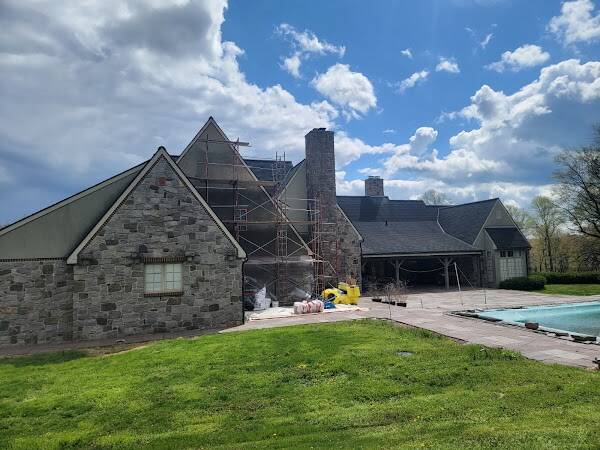
Chilimidos Construction
Why: Strongest review activity in the last 90 days.
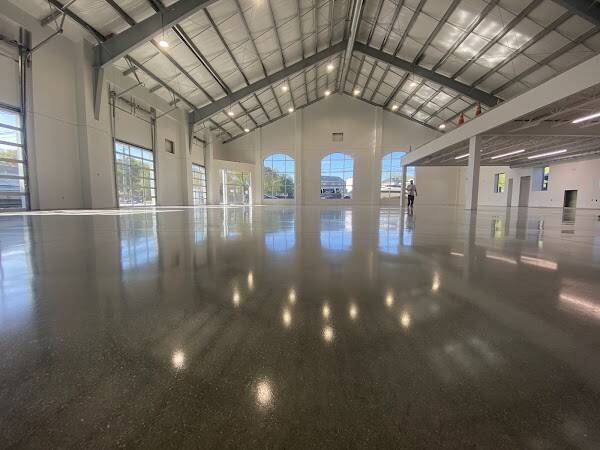
Polished Concrete Solution
Why: Specialist with a long local track record.
All General Contractors contractors in Delaware

