
Clearwater Homeowner’s Guide to General Contractors
In Florida, experienced general contractors keep projects on time and on budget. In Clearwater—Pinellas County’s seat between the Gulf of Mexico and Tampa Bay—that experience also means planning for coastal weather, salt air, and busy urban corridors. The city is the smallest of the Tampa–St. Petersburg–Clearwater triad, yet neighborhoods range from beachside pockets to established inland streets, and each setting affects material choices and logistics. A seasoned contractor understands how local microclimates and site access near the causeways, bayside streets, and barrier islands shape sequencing. They also navigate city reviews without guessing on requirements, reducing callbacks and idle days tied to inspections.
What happens during a city building inspection in Clearwater?
After a permit is issued and posted on site, a typical Clearwater inspection confirms that work matches the approved plans and that the right trades are on the permit record. Inspectors commonly verify foundations, framing, roof assemblies, electrical, plumbing, and HVAC at specific stages—rough-in, insulation, and final—rather than in one visit, so scheduling is staggered. On coastal and wind-exposed sites common in Clearwater, inspectors pay close attention to roof-to-wall connections, impact-rated window and door installations, and fastening patterns that resist uplift. They often check for Florida product approvals and manufacturer installation instructions on hand, especially for exterior openings, flashing, and roofing underlayments. For remodels in older streets near the bay or the beach, expect the inspector to look closely at tie-downs, corrosion-prone hardware, and any structural alterations to block walls or lintels. Inspections are usually requested in advance, work areas must be accessible, and failed items are documented so the contractor can correct them and call for a re-inspection without derailing the broader schedule.
Which retrofitting options improve home resilience in Clearwater?
Clearwater’s coastal winds, summer thunderstorms, and salt-laden air reward upgrades that harden the shell and slow corrosion. Impact-rated windows and doors reduce storm debris risks and eliminate the scramble to board up, while proper anchoring and sealants around openings help with wind-driven rain common near the Gulf. Strengthening roof-to-wall connections with clips or straps, adding a sealed roof deck or secondary water barrier, and upgrading attic ventilation can improve performance during long, humid stretches. Where lots sit close to Tampa Bay or low-lying canals, elevating mechanical equipment and using flood-resistant materials at ground level adds a layer of security when tides and storms coincide. Stainless or other corrosion-resistant fasteners, properly flashed stucco terminations, and attentive waterproofing around balconies and lanais stand up better in Clearwater’s salt air. Site drainage—gutters, downspout extensions, and grading that moves water away from slabs—also matters here, because intense summer downpours can overwhelm flat yards and older driveways.
Which construction projects legally require a licensed contractor in Clearwater?
In Clearwater and throughout Florida, work that changes structure, life-safety, or building systems typically requires both a permit and a licensed contractor to pull it. That includes additions, load-bearing wall changes, new roofs or roof replacements, major window and door replacements, and new decks or porches tied into the structure. Electrical, plumbing, and HVAC installations or relocations—such as service upgrades, panel changes, water heater swaps, or system change-outs—are also licensed-trade work. Converting carports to enclosed garages, building accessory structures with utilities, and significant kitchen or bath remodels that move drains or circuits fall into the same category. Work near the shoreline or in mapped flood areas can trigger extra reviews, so a local contractor is useful for coordinating those steps with the city and related agencies. Florida does allow owner-builders in limited circumstances, but the homeowner assumes full responsibility for code compliance, hiring of licensed trades, and inspections, which is why many Clearwater residents still opt to hire a licensed general contractor to manage the process.
How does project scheduling differ between large and small renovations in Clearwater?
Smaller updates—like a bathroom refresh that keeps fixtures in place or a straightforward window replacement—tend to move quickly in Clearwater, with fewer trade overlaps and a short chain of inspections. Larger renovations and additions run on longer, staged timelines to account for engineering, plan review, multiple inspection checkpoints, and lead times for coastal-rated products. Impact windows, custom exterior doors, and specialty metals that hold up in salt air can carry extended lead times before hurricane season, so experienced contractors order early and phase interior work to keep crews productive. Weather also influences sequencing: afternoon summer storms and windy days near the beach push exterior work to mornings, while interior tasks and shop-fabrication fill late-day slots. Access and logistics matter on the barrier islands and causeways, where delivery windows and HOA rules in multifamily buildings can compress work hours and require tighter coordination with neighbors. Avoid costly mistakes with experienced contractors in Florida. Request a permit review in Florida.
What Clearwater homeowners should know before hiring a contractor
· Licenses verified via FL DBPRTop Rated General Contractor Contractors in Clearwater
Based on verified ratings, recent review activity and license standing. How we pick
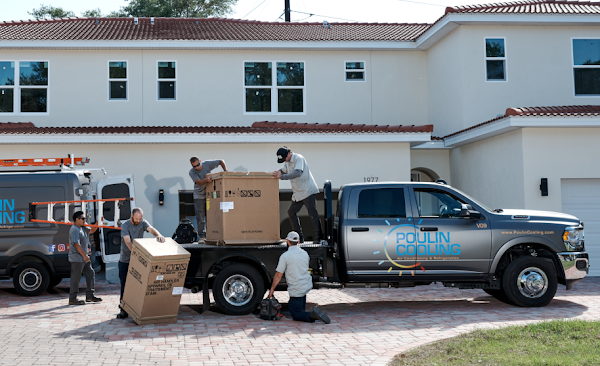 +3 photos
Poulin Cooling A/C and Refrigeration
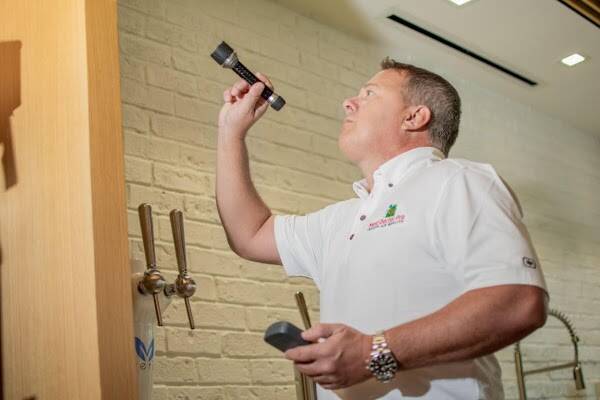
Mold Doctor Pro
Why: Strongest review activity in the last 90 days, with 124+ reviews.
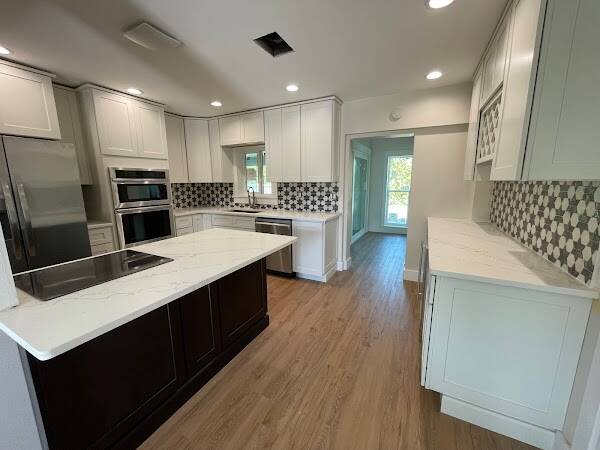
Woodworks Tampa Bay
Why: Specialist with a long local track record.
All General Contractors contractors in Florida
General Contractors contractors in other Florida cities
- Coral Springs
- Cape Coral
- Davie
- Brandon
- Fort Lauderdale
- Boca Raton
- Gainesville
- West Palm Beach
- Hialeah
- Tampa
- Hollywood
- Tallahassee
- Jacksonville
- St. Petersburg
- Lakeland
- Spring Hill
- Miami
- Port Saint Lucie
- Miami Gardens
- Pompano Beach

