
Local Homeowner’s Guide to General Contractors in Miami Gardens, Florida
From small updates to major renovations, Miami Gardens contractors deliver. Home improvement here benefits from pros who know the city’s layout from I-95 and Northeast 2nd Avenue on the east to Northwest 47th and 57th Avenues on the west, and from the Broward County line down to 151st Street. They also understand how projects differ along Miami Gardens Drive (Florida State Road 860), the busy corridor that gave the city its name. That local familiarity matters when scheduling inspections, staging materials, and planning access on residential streets. The climate is another constant: hot sun, intense afternoon downpours, and seasonal storms push builders to favor durable finishes and strong weather details. With a community of more than 111,000 residents as of 2020, you’ll find contractors experienced with everything from modest interior refreshes to large additions across the city’s varied neighborhoods. This guide explains how reputable general contractors in Miami Gardens estimate costs, close out permits, build for storms, and plan the projects homeowners ask for most.
How do general contractors estimate project costs in Miami Gardens?
Reliable estimates start with a site visit that looks beyond square footage to the realities of a Miami Gardens lot and structure. Contractors assess access along neighborhood streets off Miami Gardens Drive, where staging space and driveway width can affect delivery methods and labor time. They review existing construction, noting whether walls are block or framed, where plumbing runs in slab-on-grade floors, and how the electrical panel and HVAC will handle new loads. The estimate accounts for regional essentials like impact-rated windows and doors, reinforced roofing details, and materials that stand up to strong sun and frequent rain. Schedules and allowances are built around the local rainy season, when outdoor work and roof tear-offs are planned with extra weather days and temporary protection. Lastly, reputable contractors fold in permitting timelines with the City of Miami Gardens, potential homeowners’ association reviews where applicable, and vendor lead times that are typical in South Florida for custom openings, cabinetry, and specialty finishes.
Line items are usually broken out to help you see where the money goes: demolition, structural work, mechanical trades, finishes, and site restoration. In Miami Gardens, it’s common to include contingencies for slab surprises—like rerouting drains or replacing corroded piping discovered once floors are opened—because many homes here are single-story on slabs. Exterior scopes often include drainage improvements to handle heavy summer downpours, and those appear as separate allowances for grading, swales, or permeable surfaces. Roofing estimates consider tear-off complexity, substrate repair, and options that perform in coastal weather, whether you’re choosing shingles or other systems. For interior remodels, contractors price acoustical benefits of window upgrades along busy corridors near I-95 in addition to the storm advantages, since quieter interiors can be a noticeable upgrade. When numbers are finalized, you should receive a written proposal that ties quantities and unit costs to a clear scope, with alternates that let you choose between materials that are all appropriate for Miami-Dade conditions.
What documentation should a contractor provide after final inspection in Miami Gardens?
When the last inspection passes, you should receive a package that proves the work was completed and permitted correctly within the City of Miami Gardens. Expect a permit closeout confirmation and copies of passed inspection reports so you have a record for future sales, refinancing, or insurance. A good contractor hands over as-built information—updated drawings or annotated floor plans and photos—showing where shutoffs, cleanouts, junction boxes, and structural changes ended up. They’ll provide a full list of installed products and finishes, including model numbers for windows, doors, roofing components, appliances, and fixtures that are commonly replaced in this climate. Manufacturer warranties belong in that packet as well, along with care and maintenance instructions tailored to heat, humidity, and heavy rain. If a Notice of Commencement was used on the job, ask for documentation that it has been properly addressed at closeout, and get unconditional lien releases from subcontractors and suppliers so your title stays clear.
Financial wrap-up is part of the paperwork: a final invoice, a log of any approved change orders, and proof of final payment. Because Miami-Dade weather can drive insurance decisions, many homeowners also request photos of rooftop work and window labels to support policy updates or credits; your contractor should be ready to provide those. While a separate licensed professional typically performs wind mitigation inspections for insurance, a conscientious builder can coordinate that visit and share any documentation needed. You should also receive a written warranty from the contractor that states response times and coverage periods, plus a punch-list completion note confirming that open items were resolved. For ongoing upkeep in Miami Gardens conditions, ask for a seasonal maintenance schedule that calls out tasks like cleaning roof debris, checking sealants, and verifying drainage patterns after heavy rains. Keep all of this together—digital and hard copies—so any future project or claim goes more smoothly.
Which construction techniques make homes more storm-resistant in Miami Gardens?
Storm resilience here starts with the roof, since summer squalls and tropical systems test the building from the top down. Contractors prioritize strong roof-to-wall connections using straps and anchors that create a continuous load path from the roof deck into the walls. Many specify an enhanced nail pattern and a sealed roof deck or secondary water barrier, which helps limit water intrusion if shingles are disturbed during high winds. At the exterior, properly flashed openings and drip edges are essential in the face of wind-driven rain, and soffits are tightened up to reduce the chance of blowouts. Upgrading windows and doors to impact-rated units is a standard move in Miami Gardens projects, not just along major roads but throughout the city, because debris and pressure changes are widespread in storm events. Garage doors get special attention—bracing and rating are critical—since failure there can compromise the whole structure.
Beyond the shell, contractors address water management on the lot, which matters in a flat city that sees heavy summer downpours. They contour grade where possible, add swales, and specify hardscape that moves water away from thresholds without creating trip hazards on walkways. For exterior structures common in local backyards—like covered patios or storage buildings—pros use proper footings, anchors, and connectors so these additions perform well when gusts pick up. Electrical systems often get whole-home surge protection because lightning and grid fluctuations are common in South Florida storms, and outdoor equipment is installed with corrosion-resistant fasteners to handle heat and moisture. Material choices favor durable, UV-stable finishes on paint, stucco, and sealants, since sun exposure is intense across Miami Gardens. Taken together, these techniques help homes ride out seasonal weather while reducing long-term maintenance caused by sun, wind, and rain.
What are the most common home remodeling projects in Miami Gardens?
Homeowners here often start with kitchens and bathrooms, updating layouts to work better for single-story homes while choosing finishes that stand up to humidity and frequent cleaning. Knock-down of a non-structural wall to open living spaces is popular in older floor plans, and contractors evaluate how that interacts with existing slab plumbing and electrical runs. Window and door replacements are another frequent request, combining impact resistance with better acoustics for houses near busier corridors like I-95 or Miami Gardens Drive. Roof replacements are timed between spring and late fall around the heaviest rains, and many owners pair them with attic ventilation and a sealed deck upgrade for extra protection. Outdoor living is a priority as well: covered patios, screened porches, and improved lighting make it easier to enjoy evenings while keeping mosquitoes and sudden showers at bay. Driveway replacements and drainage adjustments show up on many scopes too, since keeping water away from entries and garages is a perennial concern on flat lots.
Whole-home refreshes often include stucco repair, elastomeric coatings suited to strong sun, and trim details that hold up in heat and moisture. Additions for growing or multi-generational families are planned with careful attention to access from side streets and utilities that typically enter at the front of the lot. Energy-minded upgrades focus on air sealing, duct improvements, and right-sized HVAC rather than chasing numbers that don’t fit Florida living, and contractors plan sequencing so the home stays livable during work. In neighborhoods near the Broward County line down to 151st Street, you’ll see garage enclosures or conversions, with structural checks to maintain integrity while adding storage or workspace. When you interview builders, ask how they schedule around afternoon showers, what local suppliers they use for impact-rated openings, and how they handle permit coordination with the City of Miami Gardens. Protect your home with expert construction in Florida. Book a budget review in Florida.
What Miami Gardens homeowners should know before hiring a contractor
· Licenses verified via FL DBPRTop Rated General Contractor Contractors in Miami Gardens
Based on verified ratings, recent review activity and license standing. How we pick
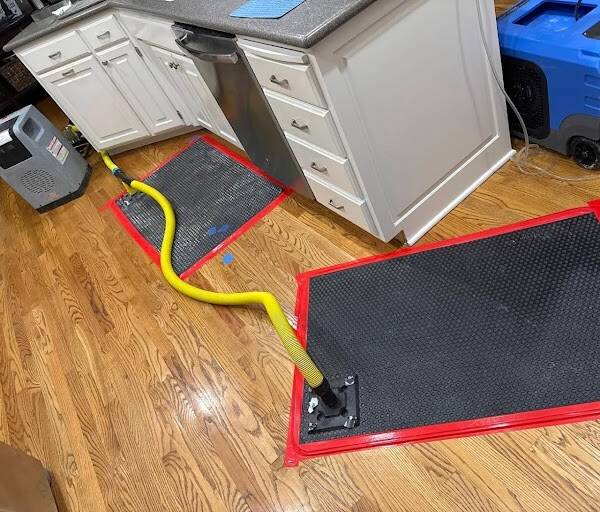 +3 photos
Flood Recovery
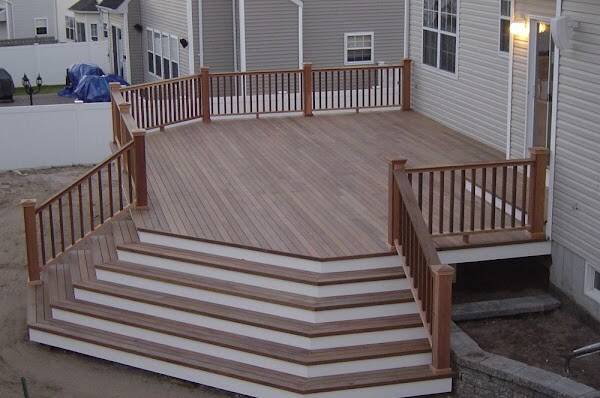
Majestic Deck Solutions
Why: Strongest review activity in the last 90 days.
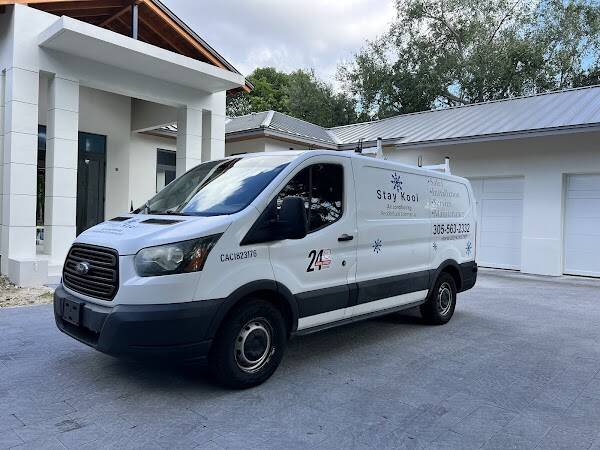
Stay Kool
Why: Specialist with a long local track record.
All General Contractors contractors in Florida
General Contractors contractors in other Florida cities
- Miramar
- Miami
- Orlando
- Lakeland
- Palm Bay
- Jacksonville
- Pembroke Pines
- Hollywood
- Pompano Beach
- Hialeah
- Port Saint Lucie
- Gainesville
- Spring Hill
- Fort Lauderdale
- St. Petersburg
- Davie
- Tallahassee
- Coral Springs
- Tampa
- Clearwater

