
Tampa Homeowner’s Guide to Choosing and Working With a General Contractor
Which coastal construction details reduce wind and water damage in Tampa?
Homeowners in Tampa trust local contractors for honest advice and skilled work. Along the north shore of Tampa Bay and the east shore of Old Tampa Bay, wind-driven rain and salt-laden air are constant factors, so the details that matter most are those that keep water out and hold your structure together when gusts pick up. A continuous load path with properly specified connectors at the roof-to-wall and wall-to-foundation points helps a house resist uplift during Gulf storms, and seasoned local contractors know which corrosion-resistant fasteners last in our salty air. A sealed roof deck with a high-quality secondary water barrier, well-flashed penetrations, and carefully reinforced soffits reduces leaks from sideways rain common in summer thunderstorms. Impact-rated windows and doors, or correctly sized and anchored shutters, cut down on glass failures and water intrusion when squalls push across the Bay. Mechanical and electrical equipment mounted higher than typical splash zones, plus smart site grading that moves water away from the structure, can limit damage from intense downpours. Thoughtful choices in exterior materials—coastal-grade hardware, durable roofing, and properly lapped stucco or siding—pay off here because Tampa’s Gulf sun, humidity, and occasional tropical systems expose weak details quickly.
How to plan window, door, and roof upgrades under Tampa codes?
In Tampa, you’ll plan these upgrades around the Florida Building Code and the City’s permit process, so start by engaging a licensed general contractor who works the Gulf Coast regularly. They’ll help verify product approvals suited to local wind exposure and propose anchoring and flashing details that stand up to the crosswinds that sweep over Tampa Bay. For windows and doors, expect shop drawings or cut sheets, confirmation of impact or shutter strategies, and installation details like sill pans and corrosion-resistant fasteners; those items make a difference when afternoon storms push rain against openings. Roofing plans should cover the underlayment system, sealed deck strategy, edge metal, and how the roof ties into your existing structure so inspectors can see a complete approach, not just a shingle swap. Timing matters here: many Tampa homeowners schedule reroofs and opening replacements outside the peak rainy months to reduce weather delays, and experienced crews will plan temporary dry-in measures if a squall line passes. Your contractor should handle permit submittals, inspections, and close-out documents, and many insurers will ask for documentation of wind-resistant upgrades after completion, so keep all approvals and inspection records organized.
How can Tampa homeowners avoid unexpected construction costs?
The best cost control starts before demolition, with a Tampa-specific site assessment that looks for moisture staining from wind-driven rain, attic ventilation issues, and corrosion at connectors near the coast. Older homes and additions around the metro can hide surprises behind stucco or plaster, so plan for targeted exploratory openings to uncover framing, decking condition, and prior repairs before you finalize pricing. Spell out allowances for selections that often swing budgets here—roofing underlayments, impact-rated window hardware, coastal-grade exterior metals—and ask for alternates so you can pivot without change orders if lead times or storms disrupt supply. Written scopes should also describe storm-readiness steps common in our area, like daily dry-in procedures, protection for openings, and how the crew secures materials if a system forms in the Gulf. Build a reasonable contingency for weather delays and hidden damage, and confirm how schedule shifts during the summer thunderstorm pattern will be handled in the contract. Finally, ask for a permitting and inspection timeline specific to Tampa, because realistic sequencing with the City and inspectors helps avoid idle days and the fees that come with re-mobilization.
Which red flags indicate poor contractor communication in Tampa?
Vague proposals that skip over wind exposure, flashing details, or product approvals are a warning sign in a Gulf Coast city where weather can change in an hour. Be cautious if a contractor shrugs off permits or can’t explain the City of Tampa’s inspection steps for reroofing and opening replacements, because that often leads to delays and rework. Another red flag is a schedule that ignores our rainy season and offers no plan for temporary dry-in, material protection, or how crews will respond when storms roll across Tampa Bay in the afternoon. If change orders are verbal, payment terms are front-loaded without clear milestones, or site updates come sporadically, you’ll likely face confusion when squalls hit and decisions need to be made quickly. Local references within the Tampa metro, clear photo documentation, and regular check-ins are normal here; if those are hard to obtain, consider comparing options. Services like American Home Quotes (AHQ) can help you review licensed contractors in the area side-by-side so you can choose a communicator who fits your style. A well-run job site means fewer surprises for Tampa homeowners. Ask about project management in Florida.
What Tampa homeowners should know before hiring a contractor
· Licenses verified via FL DBPRTop Rated General Contractor Contractors in Tampa
Based on verified ratings, recent review activity and license standing. How we pick
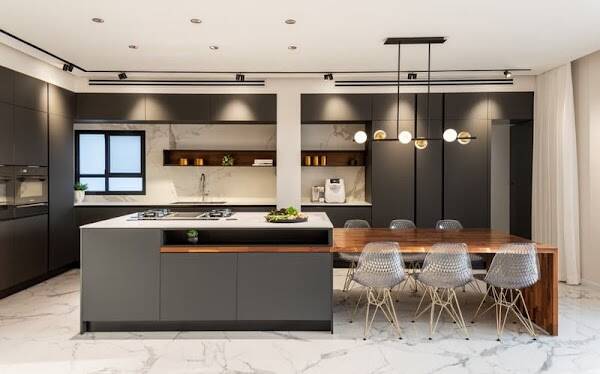 +3 photos
Premiere Builders & Remodeling
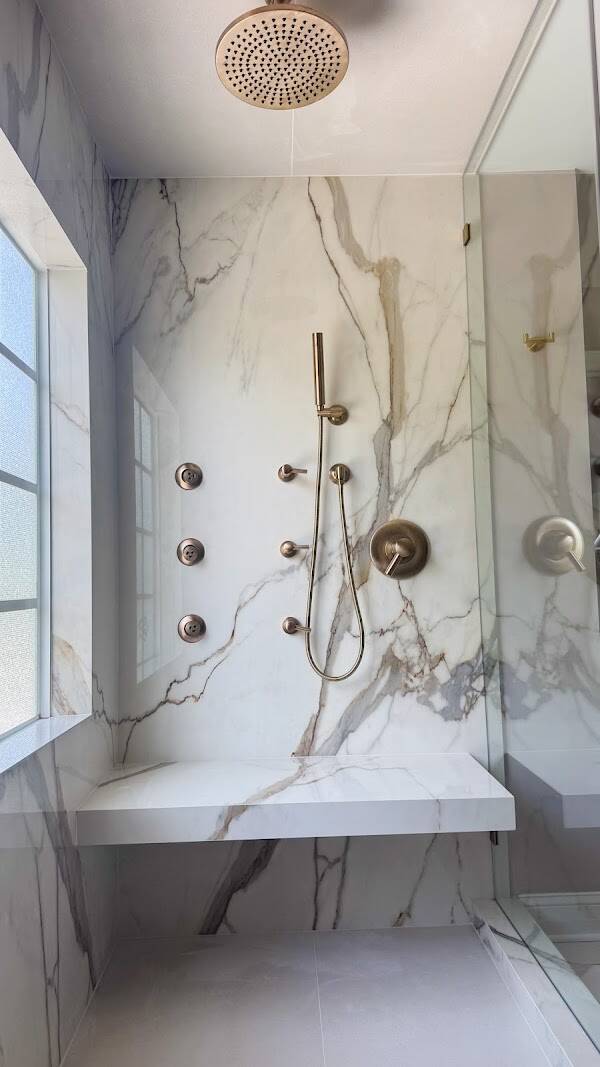
Peacock Alley Remodeling
Why: Strongest review activity in the last 90 days, with 174+ reviews.

Beyond Builders
Why: Specialist with a long local track record.
All General Contractors contractors in Florida
General Contractors contractors in other Florida cities
- West Palm Beach
- Tallahassee
- Boca Raton
- St. Petersburg
- Brandon
- Spring Hill
- Cape Coral
- Port Saint Lucie
- Clearwater
- Pompano Beach
- Coral Springs
- Pembroke Pines
- Davie
- Palm Bay
- Fort Lauderdale
- Orlando
- Gainesville
- Miramar
- Hialeah
- Miami Gardens

