
Idaho Falls Homeowner’s Guide to Choosing the Right General Contractor
How do weather conditions in Idaho Falls affect material selection?
In Idaho, local knowledge ensures your project meets all requirements. Idaho Falls experiences long, cold winters, regular freeze–thaw cycles, and strong valley winds across the Snake River Plain, so exterior materials must handle moisture, ice, and temperature swings. Roofing choices often favor high-quality asphalt shingles, standing-seam metal, or composite options that shed snow and resist wind uplift; gutters with wider downspouts help manage spring melt. Siding that performs well here includes fiber-cement and engineered wood for durability and fire resistance, while vinyl can be economical but may become brittle in extreme cold. For concrete flatwork, air-entrained mixes, proper base prep, and control joints help limit cracking from freeze–thaw; sealed finishes reduce de-icing salt damage. Windows with low-e glass and well-installed flashing reduce heat loss and help prevent condensation and ice dam issues, which are common in older neighborhoods. Quick comparison: Metal roofing—Pros: excellent snow-shedding, longevity; Cons: higher upfront cost, noise without underlayment. High-quality asphalt shingles—Pros: cost-effective, familiar; Cons: shorter lifespan under intense sun and wind if not installed to spec.
Which construction projects legally require a licensed contractor in Idaho Falls?
In Idaho Falls, projects that require a building permit generally require qualified, credentialed professionals, and some trades must be state-licensed by law. Electrical and plumbing work typically must be performed by Idaho-licensed electricians and plumbers, and mechanical/HVAC work often requires a licensed contractor as well; these systems usually trigger permits and inspections. Structural changes—such as additions, wall removals, new decks, and garage builds—commonly need permits and code-compliant plans, which experienced general contractors coordinate. Homeowners sometimes can perform limited work on an owner-occupied single-family home, but eligibility, scope, and permitting rules vary and should be verified with the local building authority before starting. Homes built before 1978 fall under federal lead-safe renovation rules when disturbing painted surfaces, requiring an EPA-certified renovator and specific work practices. In multi-family or commercial settings within the Idaho Falls–Bonneville County area, credential requirements are stricter, and stamped drawings from design professionals may be necessary. Pros and cons of hiring credentialed pros: Pros: code compliance, smoother inspections, safer work, better resale documentation; Cons: higher upfront cost than uncredentialed labor, but reduced risk.
Which red flags indicate poor contractor communication in Idaho Falls?
What signals suggest a contractor may not keep a project on track locally? A vague scope of work that ignores Idaho Falls’ winter constraints or does not reference local inspections is a red flag, because sequencing around weather is essential. Slow or inconsistent responses during bidding often foreshadow delays when submittals and inspections are due. Proposals that skip line-item pricing for materials and labor can hide change-order traps, especially when addressing common local needs like added insulation or ice-dam mitigation. A contractor who shrugs off permits or suggests “working without one” risks stop-work orders and resale headaches. Limited local references in a city of more than 64,000 residents, or no experience with older housing near downtown versus newer subdivisions on the city’s edge, may indicate unfamiliarity with varied site conditions. For added assurance, homeowners can compare multiple licensed and registered pros through services such as American Home Quotes (AHQ) to benchmark responsiveness, insurance, and scope clarity. Quick comparison: Detailed, local-aware bid—Pros: transparent budget, realistic timeline; Cons: slightly longer preconstruction phase. One-line “lump sum” bid—Pros: fast; Cons: high risk of extras and disputes.
Which renovations add the most value to homes in Idaho Falls?
Given Idaho Falls’ cold seasons and steady growth as the fourth most populous city in Idaho, upgrades that boost efficiency, durability, and livability tend to return well. Energy-focused improvements—air sealing, added attic insulation, high-performance windows, and efficient HVAC—lower utility costs and make winter living more comfortable. Kitchen and bathroom updates remain top performers, especially when they include water-saving fixtures and durable, easy-clean surfaces that fit busy family life. Basement finishing with proper egress and moisture control can add valuable living space in many neighborhoods, provided permits and inspections are followed. Exterior refreshes—durable siding, a wind-resistant roof, and a practical entry or mudroom—suit local weather and appeal to buyers juggling snow gear and outdoor activities. Thoughtful outdoor spaces, like low-maintenance decks with composite boards and simple wind screens, extend the short summer season without heavy upkeep. Pros and cons snapshot: Energy upgrades—Pros: immediate comfort, broad buyer appeal; Cons: benefits are less visible than a new kitchen. Basement finish—Pros: significant space gain; Cons: requires careful moisture management and egress planning.
Frequently Asked Questions About general contractors in Idaho Falls, Idaho
-
What roofing holds up best to Idaho Falls snow and wind?
Standing-seam metal and high-wind-rated asphalt shingles are common choices in Idaho Falls. Metal sheds snow efficiently, while upgraded shingles can be cost-effective if installed to manufacturer specs with proper underlayment and fastening.
-
Do Idaho Falls homeowners need a permit for a typical kitchen remodel?
Most kitchen remodels that move walls, add circuits, or alter plumbing require permits and inspections. Trades like electrical and plumbing generally must be performed by Idaho-licensed professionals to pass local review.
-
How can a homeowner tell if a bid is transparent versus a lowball estimate?
Transparent proposals include a detailed scope, line-item pricing, allowances, and a schedule tied to inspections and weather. Lowball bids often skip specifics, ignore local winter constraints, and rely on change orders later.
-
Which energy upgrades make the biggest comfort difference in Idaho Falls winters?
Air sealing, attic insulation, high-performance windows, and right-sized HVAC provide noticeable comfort and utility savings. These upgrades also help prevent ice dams and condensation issues common in cold climates.
-
When is the best season to start a major addition in Idaho Falls?
Spring through early fall typically offers smoother scheduling for foundations, framing, and exterior work. Early planning helps secure permits and materials so crews can make weather-tight by the time cold sets in.
Avoid overruns and delays with routine project reviews in Idaho. Get a second opinion on your renovation in Idaho Falls.
Top Rated General Contractor Contractors in Idaho Falls
Based on verified ratings, recent review activity and license standing. How we pick
 +3 photos
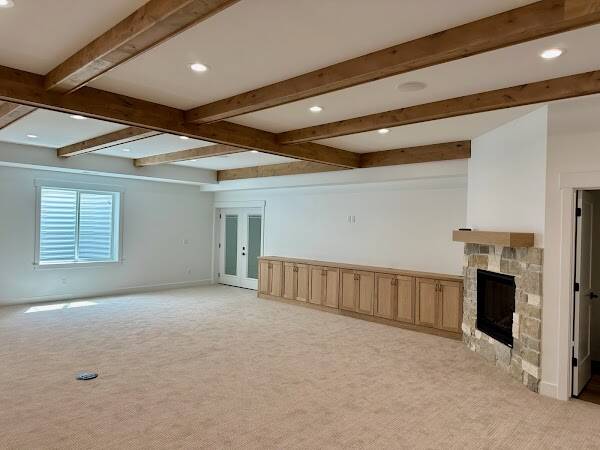
Four Peak Homes
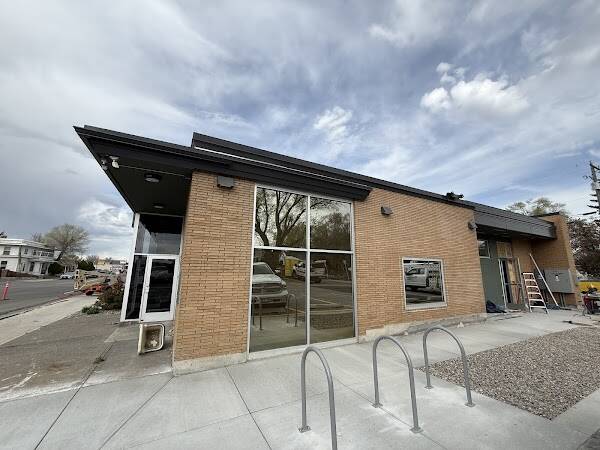
Resin Architecture
Why: Strongest review activity in the last 90 days.
Timeless Tile Traditions
Why: Specialist with a long local track record.
All General Contractors contractors in Idaho

