
Wichita Homeowner’s Guide to Hiring and Working With General Contractors
From small updates to major renovations, Wichita contractors deliver. As the most populous city in Kansas and the seat of Sedgwick County along the Arkansas River, Wichita brings a deep bench of trades and suppliers who understand local homes—from Craftsman bungalows near Riverside and College Hill to mid-century ranches and newer suburban builds. Seasonal weather swings, spring storms, and hail shape many project decisions, so selecting a contractor who plans for wind, water, and temperature extremes pays off. Homeowners benefit from clear scopes, documented materials, and a defined sequencing plan when exterior and interior work overlap. It also helps to verify permitting with the City of Wichita–Sedgwick County Metropolitan Area Building and Construction Department (MABCD) early, especially when structural or exterior changes are involved. A contractor familiar with older Wichita neighborhoods will also anticipate quirks like original plaster walls, settled foundations, and nonstandard framing. Strong communication, transparent pricing, and local references are the best predictors of a smooth result.
Which high-wind roofing and fastening details are best practice in Wichita?
High-wind detailing in Wichita starts with a complete roofing system, not just the shingle. Impact-resistant (Class 4) shingles help resist hail, while ring-shank nails and a high-wind nailing pattern improve pull-through resistance on blustery days common on the south-central Kansas plains. A sealed roof deck—using taped sheathing seams or a self-adhered membrane at laps—reduces water intrusion if shingles lift during a storm, and ice-and-water protection at eaves and valleys adds another layer of defense during freeze-thaw cycles. Edge security matters: adhesive starter strips, continuous drip edge, and properly fastened rake metal protect the most vulnerable perimeters where winds try to get under the roof. Roof-to-wall connections also deserve attention; metal ties or straps that create a continuous load path from roof framing to walls improve uplift resistance typical of Great Plains wind events. In Wichita’s wind-and-hail belt, the roof performs as a system—fasteners, underlayment, edges, and structural connections must work together. Quick comparison: impact-resistant asphalt shingles offer familiar looks and good hail performance with moderate cost; standing-seam metal sheds hail and snow efficiently and resists wind well but often costs more and requires experienced installers; synthetic shingles bring light weight and storm resilience yet vary widely by brand and warranty.
How to coordinate roof, window, and siding replacement bids in Wichita?
Coordinating multiple exterior trades in Wichita works best with a clear order of operations and matched specifications across bids. Many contractors recommend installing windows before new siding so trim, flashing, and housewrap integrate cleanly, but roof timing depends on leak urgency and crew availability during peak storm season. To compare apples to apples, request line-item scopes that call out window frame material and U-factor, siding brand and thickness, housewrap and flashing types, roofing shingle class and underlayment, and all trim metals; also confirm whether gutters, ventilation upgrades, and painting are included. Wichita’s mix of older homes and newer builds means substrate surprises are common, so contingency language for sheathing repairs and hidden damage keeps budgets realistic. A single general contractor can manage sequencing, dumpsters, permits with MABCD, and site protection, while hiring separate roof, window, and siding firms may reduce cost but demands stronger homeowner oversight. Pros: one GC simplifies scheduling, warranty coordination, and change management; Cons: specialty subs hired individually can sharpen pricing but risk schedule gaps and finger-pointing if scopes overlap or flashing details are missed.
What local programs support energy-efficient building in Wichita?
Wichita homeowners can pair contractor work with incentives that reduce utility use and out-of-pocket cost. Federal tax credits currently support qualifying heat pumps, high-efficiency HVAC, insulation, and Energy Star windows and doors, which pairs well with exterior upgrades commonly done after storm seasons. The Kansas Weatherization Assistance Program, administered statewide through the Kansas Housing Resources Corporation, helps income-eligible households in Sedgwick County with measures like air sealing, insulation, and health-and-safety fixes—contractors familiar with program standards streamline documentation. Evergy, the regional utility, periodically offers energy-saving resources, rate options, marketplace discounts, and seasonal promotions; homeowners should check current offerings for the Wichita service area before purchasing equipment. State-administered Home Energy Rebates funded by recent federal legislation are being rolled out nationally; Kansas residents should monitor the Kansas Corporation Commission’s State Energy Office for availability and contractor participation requirements. For planning, reputable auditors can provide blower-door testing and infrared scans, helping contractors target air leaks common in older Wichita homes with original framing, chimneys, and attic hatches. Pros: stacking a tax credit with a utility promotion can meaningfully cut project costs; Cons: incentive terms change, so verification of eligibility, product specs, and install dates is essential before work begins.
Which retrofitting options improve home resilience in Wichita?
Resilience upgrades in Wichita focus on wind, water, and power continuity. Strengthening roof-to-wall connections, adding gable-end bracing, and upgrading to a reinforced, wind-rated garage door help homes resist uplift and racking during strong plains gusts. Class 4 impact-resistant shingles and laminated-glass windows or storm panels reduce hail damage and keep the building envelope intact during debris strikes. Drainage improvements—extended downspouts, re-graded soil away from foundations, larger gutters, and sealed penetrations—guard basements and slabs along the Arkansas River basin against heavy-rain events. Sump pumps with battery backups, whole-house surge protection, and standby generators or load-managing battery systems maintain critical systems during outages that often follow severe storms. Safe rooms built to recognized standards provide life-safety protection from tornadoes and can be integrated in garages, basements, or interior rooms during renovations without altering the home’s exterior character. Pros: targeted retrofits can lower repair costs after storms and improve comfort year-round; Cons: structural tie-ins and safe rooms require careful planning and permitting, and equipment like generators adds maintenance obligations and fuel considerations.
Stay on budget and schedule with regular updates in Kansas. Find out about design-build services in Wichita.
Frequently Asked Questions About general contractors in Wichita, Kansas
-
Are Class 4 hail-resistant shingles worth the investment for Wichita storms?
Class 4 shingles are designed to better withstand hail and wind-driven debris, which aligns with Wichita’s frequent spring and summer storm patterns. When paired with proper nailing, a sealed deck, and secure edge metal, they enhance overall roof durability. Homeowners often consider them during insurance-funded reroofs after hail events, but product selection and installation quality remain the deciding factors.
-
What’s the smartest order to tackle windows, siding, and roof work on a Wichita home?
Many projects go windows first, then siding, to ensure flashing integrates with housewrap and trim, while roof timing depends on leak urgency and storm-season scheduling. Coordinated scopes that specify brands, underlayments, flashing, and disposal prevent gaps between trades. A general contractor can manage sequencing and MABCD permitting to minimize rework.
-
Where can Wichita residents find rebates or credits for energy-efficient upgrades?
Federal tax credits cover qualifying HVAC, insulation, and Energy Star fenestration, and the Kansas Weatherization Assistance Program serves income-eligible households in Sedgwick County. Evergy periodically offers energy-saving resources and marketplace deals, while state-administered Home Energy Rebates should be confirmed through the Kansas Corporation Commission’s State Energy Office. Checking current terms before purchase helps ensure eligibility.
-
Which upgrades help older Wichita ranch homes stand up to high winds and hail?
Effective options include roof-to-wall straps, gable-end bracing, and impact-resistant shingles to reduce wind and hail damage. Reinforced garage doors, improved drainage, and laminated-glass windows further protect the structure and envelope. Backup power and surge protection keep critical systems running during post-storm outages common on the plains.
Top Rated General Contractor Contractors in Wichita
Based on verified ratings, recent review activity and license standing. How we pick
 +3 photos
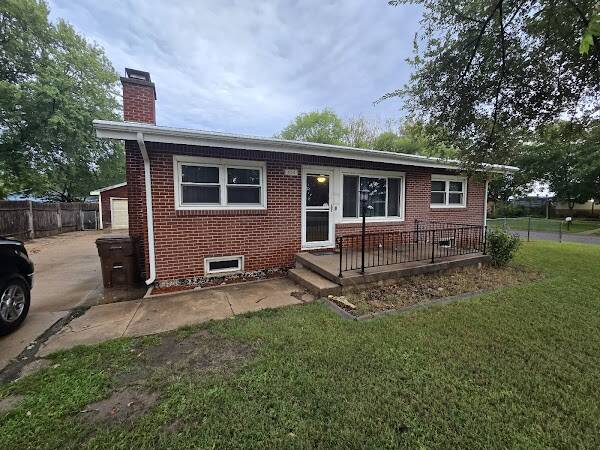
Real Estate Rescue: Sell My House Fast in Wichita

Farha HomeTrends
Why: Strongest review activity in the last 90 days.
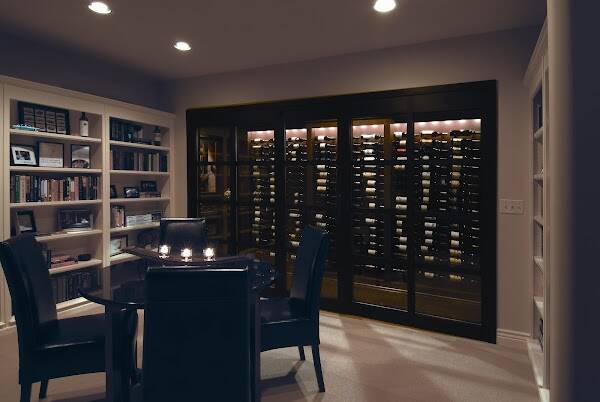
Guthridge/Nighswonger Corp.
Why: Specialist with a long local track record.
All General Contractors contractors in Kansas

