
Worcester Homeowner’s Guide to Hiring and Working with a General Contractor
In Massachusetts, experienced general contractors keep projects on time and on budget. In Worcester—the Heart of the Commonwealth and the second-most populous city in the state—that experience matters because our housing mix ranges from older wood-framed homes to newer infill, and the four-season swings put extra demands on materials and schedules. A seasoned local GC knows how to plan around snow, spring thaw, and humid summers so crews and deliveries stay coordinated. They also understand how to work respectfully in dense neighborhoods where parking and access can affect costs. If you’re comparing bids, look for detail, local references, and clarity about contingencies. That’s how you get Worcester results without surprises.
How do weather conditions in Worcester affect material selection?
Worcester sits in central Massachusetts with real winters, spring freeze–thaw cycles, and muggy July heat, so material choices need to handle moisture, temperature swings, and wind. For roofing, we typically recommend shingles or metal systems paired with an ice-and-water membrane at the eaves and around penetrations, plus balanced attic ventilation to curb ice dams when heavy snow meets sunny cold days. Siding decisions often come down to fiber-cement versus wood: fiber-cement tolerates our damp shoulder seasons and holds paint longer, while wood offers historical character but needs more upkeep once nor’easters drive rain against the grain. Masonry steps, walkways, and porch piers benefit from air-entrained concrete and proper sealing so they don’t spall after repeated freeze–thaw cycles, and deck framing does better with corrosion-resistant fasteners where winter salt and spring runoff linger. Windows with tight air seals and low-e glass reduce condensation during cold snaps while still handling summer sun, and storm doors can help older entries without changing the façade. Quick comparison, plain talk: fiber-cement siding—pros: durable, paint holds, fire resistant; cons: higher upfront cost, heavier to install; premium asphalt shingle roof—pros: cost-effective, familiar to most crews; cons: shorter lifespan than metal in harsh winters; composite decking—pros: resists rot and staining; cons: can get warm in peak sun.
How do general contractors estimate project costs in Worcester?
Local estimates start with a thorough site visit because older Worcester homes can hide surprises behind plaster or in basements that have seen a century of seasons. A solid GC will break costs into labor, materials, permits, and allowances for fixtures or finishes, then add a realistic contingency to cover discoveries common in older New England structures. Schedule timing also affects numbers here: winter work can require temporary heat or weather protection, while late spring through early fall allows faster exterior progress and more predictable deliveries. Access matters in city neighborhoods—tight driveways, limited parking, and staging constraints can add labor hours that wouldn’t appear on a suburban lot. Estimators will flag utility upgrades, such as electrical service capacity for modern kitchens or HVAC retrofits, because those line items can change the bottom line more than finish selections. Quick comparison on timing: winter start—pros: crews may be more available, lead times can be shorter; cons: weather protection costs and slower exterior work; spring start—pros: faster exterior progress and easier inspections; cons: busier schedule windows and potential wait times for popular trades.
Which permits are typically required for residential construction in Worcester?
Most projects that change structure, layout, or major systems will require a building permit administered locally, even though Massachusetts uses a statewide building code. Trade-specific permits are typically pulled by licensed professionals for electrical, plumbing, gas, and often HVAC/mechanical work, and roof, window, or deck replacements can also fall under building permits depending on scope. Additions or major exterior changes may trigger a zoning review for things like setbacks or lot coverage, and homes within locally designated historic areas can require design review before work begins. If your project touches site drainage, tree work, or areas near wetlands, expect coordination with the appropriate local office before you break ground. Your contractor should outline the inspection points—commonly including rough framing and systems before walls are closed, insulation, and a final walk-through—so the schedule reflects those milestones. Simple pros and cons on permitting roles: homeowner-pulled permits—pros: direct visibility into submissions; cons: you assume more responsibility for compliance and coordination; contractor-managed permits—pros: streamlined paperwork and scheduling with inspectors; cons: you rely on the GC’s timelines for submittals and revisions.
Which retrofitting options improve home resilience in Worcester?
For Worcester’s climate, we see strong returns from air sealing and insulation upgrades in attics and basements, paired with proper roof ventilation to cut down on ice dams after big snowfalls. Basement moisture control—interior drain channels, sump pumps with battery backup, and sealed penetrations—helps when heavy rain or rapid melts push groundwater toward foundations. On the exterior, flashing details at deck ledgers, well-integrated housewrap, and longer overhangs or gutters with wide downspouts keep wind-driven rain from finding its way inside during nor’easters. Electrical resilience can include whole-house surge protection and a standby generator if outages are a concern, while modern window inserts or storms improve comfort without changing historic profiles. For heating and cooling, cold-climate heat pumps can pair with existing systems to handle shoulder seasons efficiently and provide summer dehumidification, lowering the strain during hot, sticky stretches. Quick pros and cons: dense-pack cellulose in walls—pros: good air-retardation and moisture tolerance in older cavities; cons: needs skilled installation and careful prep; spray foam at rim joists—pros: excellent air seal where leaks are worst; cons: higher cost and requires ventilation awareness; standby generator—pros: automatic power during storms; cons: fuel, maintenance, and installation expense. A little planning goes a long way for Worcester renovations. Schedule a contractor interview in Massachusetts.
Top Rated General Contractor Contractors in Worcester
Based on verified ratings, recent review activity and license standing. How we pick
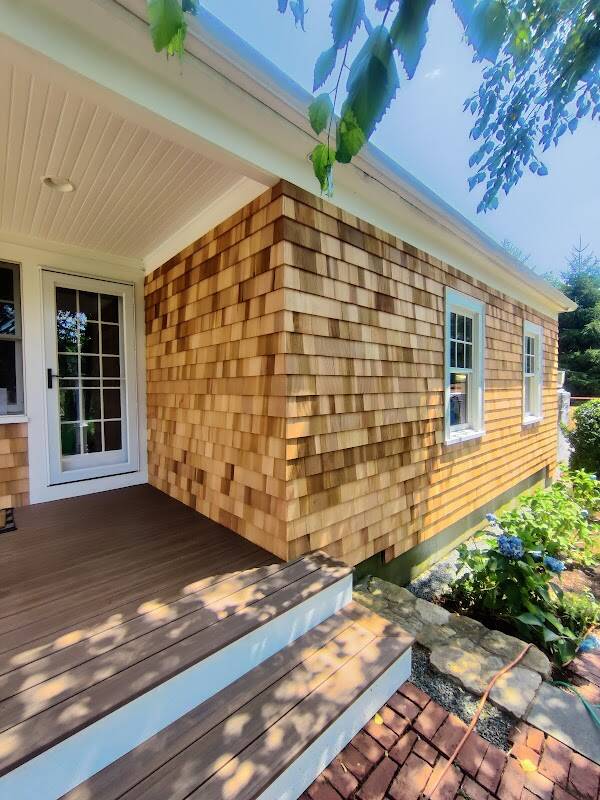 +3 photos
Igor’s Construction
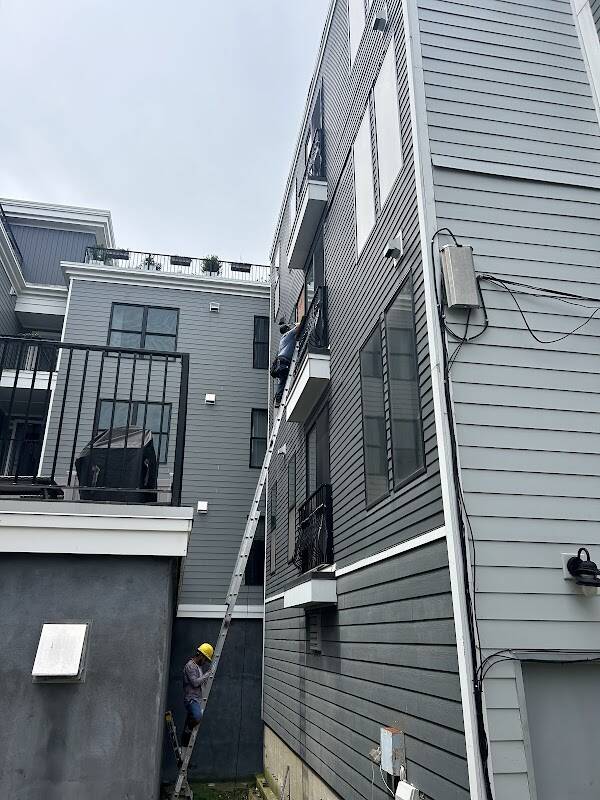
Corporate Stone Construction
Why: Strongest review activity in the last 90 days.
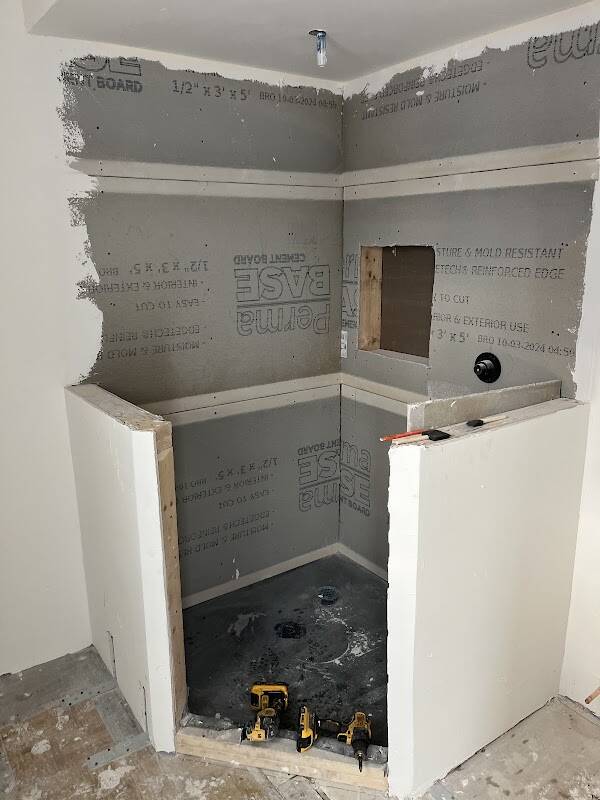
Construction, Worcester, MA RAFA CONSTRUCTION Type of license HIC Home improvement contract
Why: Specialist with a long local track record.
All General Contractors contractors in Massachusetts
General Contractors contractors in other Massachusetts cities
- Boston
- Waltham
- Brockton
- Taunton
- Brookline
- Springfield
- Cambridge
- South Boston
- Chicopee
- Somerville
- Dorchester
- Quincy
- Fall River
- North Chicopee
- Framingham Center
- Newton
- Framingham
- New Bedford
- Haverhill
- Medford

