
Sterling Heights Homeowner’s Guide to Hiring a General Contractor
In Michigan, quality craftsmanship sets the best contractors apart. In Sterling Heights—a northern suburb of Detroit about 18 miles from downtown with a 2020 population of 134,346—homeowners often balance mid-century construction details with newer subdivision standards and today’s energy expectations. The city’s mix of ranches, colonials, and split-level homes means scopes can vary from basement remodels to full additions, each with different structural and mechanical considerations. Seasonal freeze-thaw cycles, heavy rain events, and high-humidity summers also influence material choices, sequencing, and lead times. Reputable general contractors account for these local conditions, coordinate licensed trades, and align work with municipal inspections. The most reliable firms document scope, pricing, and schedule clearly so homeowners know what to expect from kickoff to closeout.
How do contractors handle change orders in Sterling Heights projects?
Experienced contractors in Sterling Heights start by defining a clear baseline scope, then use written change orders whenever homeowners request additions or when site conditions in older Macomb County housing reveal surprises. A proper change order describes the change, lists added or deleted materials and labor, states the price difference (or time-and-materials rates), and notes any added calendar days. Because many local homes were built or remodeled across different decades, unforeseen issues—such as outdated wiring, concealed water damage, or nonstandard framing—are handled with photos and itemized cost impacts before work proceeds. Contractors typically pause related tasks until the homeowner signs the change order, helping prevent confusion and rework. If a change affects permit drawings, the contractor coordinates updated documents and any required re-inspections with the City of Sterling Heights before continuing. To keep budgets predictable, best practice is to group small selections-related changes weekly and to track allowances (for items like tile or fixtures) so the running total remains transparent.
Which construction projects legally require a licensed contractor in Sterling Heights?
In Sterling Heights, most work that alters a home’s structure or systems triggers permits and licensed trades under Michigan’s licensing framework and local enforcement. Projects such as additions, structural wall changes, significant roofing, new decks or porches, and garage builds typically require a licensed residential builder or an appropriately licensed maintenance and alteration contractor. Electrical, plumbing, and mechanical (HVAC) work must be performed by state-licensed specialty contractors when a permit is needed. Window and door replacements that change framing, basement remodels with new bathrooms or egress openings, and kitchen overhauls with reconfigured utilities also generally involve licensed professionals and inspections. Homeowners sometimes act as their own contractor for an owner-occupied single-family residence, but they assume full responsibility for code compliance, scheduling inspections, and supervising all trades. Because thresholds vary by scope, the safest path is to confirm permit and licensing requirements with the Sterling Heights Building Department before signing a contract.
How do general contractors estimate project costs in Sterling Heights?
Contractors develop estimates by combining a detailed site visit, measurements, and trade quotes that reflect Metro Detroit market rates for labor and materials. Housing age and style in Sterling Heights influence assumptions: for example, brick veneer details, basement moisture management, and potential updates to older electrical or plumbing can add scope. Reputable estimators break out line items, note allowances for finish selections, and include a realistic contingency for concealed conditions common in mid-century or 1990s-era homes. Seasonal timing also affects pricing and schedule; exterior work may carry weather-related protections, while interior renovations often move faster in winter when demand for outdoor trades is lower. Lead times for items like custom cabinetry, windows, or specialty HVAC equipment are factored into the schedule and cash flow plan. Finally, the estimate should align with anticipated municipal inspections in Sterling Heights so milestones and payment draws match real construction phases.
What payment schedule protects homeowners during renovations in Sterling Heights?
A protective payment plan in Sterling Heights ties money to milestones and inspections rather than to dates on a calendar. Many homeowners use a modest initial deposit to reserve scheduling and order long-lead materials, followed by progress payments after visible progress such as demolition completion, framing approval, and rough-in inspections for electrical, plumbing, and mechanical. Under Michigan’s lien laws, it is prudent to request a contractor’s sworn statement and collect partial lien waivers from subcontractors and suppliers with each draw. This paperwork trail helps prevent surprise liens and keeps everyone aligned on who has been paid. A small retainage held through punch-list completion and final inspection encourages thorough closeout and delivery of warranties, manuals, and as-built notes. Payments should be documented, avoid large upfront sums, and be released only after agreed milestones are verified.
Frequently Asked Questions About general contractors in Sterling Heights, Michigan
-
How can a Sterling Heights homeowner verify a contractor’s Michigan license and insurance?
Homeowners can check active licenses through the State of Michigan’s licensing lookup and should request a certificate of insurance directly from the insurer. Verification of general liability and workers’ compensation coverage helps protect against jobsite risk and claims.
-
What permits are typically needed for a Sterling Heights kitchen or basement remodel?
Kitchen and basement projects commonly require building permits, with separate permits for electrical, plumbing, and mechanical work as applicable. The general contractor usually submits applications and coordinates inspections, though homeowners should confirm responsibilities in the contract.
-
When is the best season to start exterior renovations in Macomb County?
Exterior work generally performs best from spring through early fall when temperatures and moisture conditions are favorable. Interior projects can proceed year-round, while weather-sensitive tasks like roofing and concrete may be scheduled around freezing conditions.
-
How do Sterling Heights homeowners avoid construction lien problems?
Requesting contractor sworn statements and collecting partial lien waivers with each progress payment reduces lien risk. Maintaining a clear paper trail and withholding final payment until all waivers are provided is a reliable best practice.
-
What should be included in a home renovation contract for a Sterling Heights property?
A solid agreement lists the detailed scope of work, start and substantial completion targets, change order procedures, and a milestone-based payment schedule tied to inspections. It should also clarify who obtains permits, warranty terms, and how punch-list and closeout are handled.
Clear scopes, permits, and scheduling protect budgets and timelines. Contact us for emergency repairs in Michigan.
Top Rated General Contractor Contractors in Sterling Heights
Based on verified ratings, recent review activity and license standing. How we pick
 +3 photos
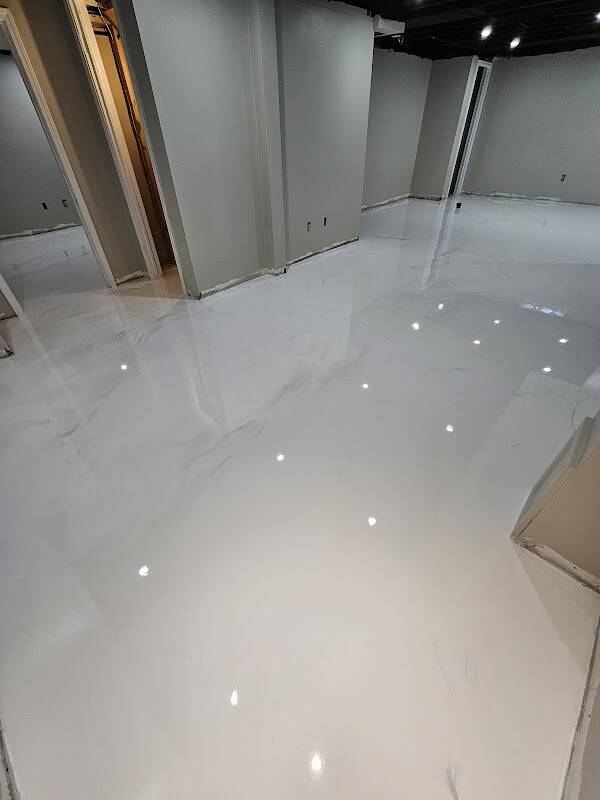
Word of Mouth Epoxy Flooring

All Dry Services Of Metro Detroit
Why: Strongest review activity in the last 90 days, with 108+ reviews.
IMAGIO Glass Design
Why: Specialist with a long local track record.
All General Contractors contractors in Michigan
General Contractors contractors in other Michigan cities
- Taylor
- St. Clair Shores
- Troy
- Southfield
- Warren
- Shelby
- Waterford
- Royal Oak
- West Bloomfield
- Rochester Hills
- Westland
- Pontiac
- Wyoming
- Livonia
- Ann Arbor
- Lansing
- Canton
- Kalamazoo
- Charter Township of Clinton
- Grand Rapids

