
Kansas City, Missouri General Contractors: A Smart Homeowner’s Guide
Which framing and roofing details handle Kansas City’s wind and hail?
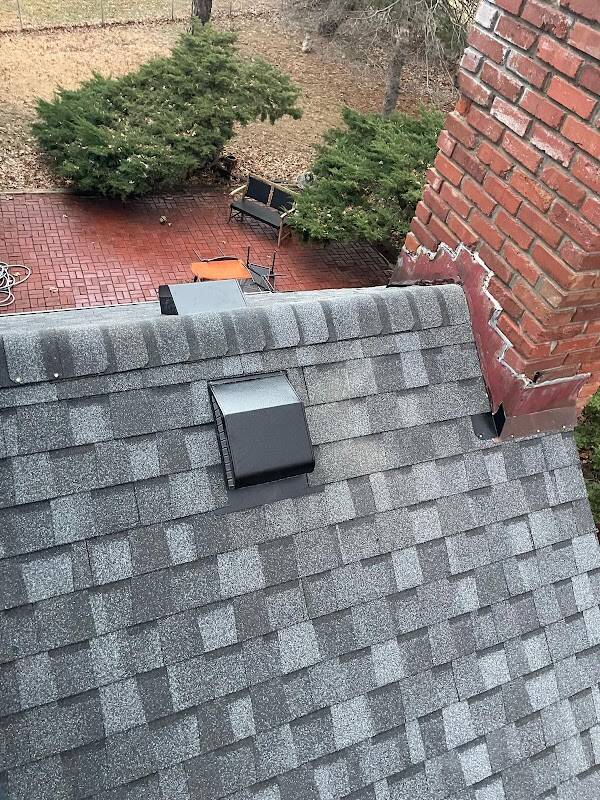
Across Missouri, homeowners rely on licensed contractors for remodels, additions, and major repairs. In Kansas City, where open plains meet river valleys, wind gusts and spring hailstorms shape smart choices at the roofline and in the structure beneath. Savvy contractors use continuous roof decking with tight fastening patterns and reinforce gable ends to reduce racking in crosswinds common to the metro. Many homeowners opt for impact-resistant shingles or standing-seam metal roofing, paired with self-adhered underlayment at eaves, valleys, and roof-to-wall transitions to manage wind-driven rain and ice. On older Kansas City Shirtwaist, Craftsman, and Foursquare homes, experienced crews reset or replace step flashing at masonry and dormer cheeks, since leaks often originate at those intersections rather than the field of the roof. Proper attic ventilation and sealed penetrations help stabilize temperature swings, which supports shingle longevity and reduces the risk of condensation during humid summers. Thoughtful gutter sizing and securely anchored downspouts also matter in Kansas City’s intense cloudbursts, keeping water off siding and away from foundations.
How do contractors sequence basement finishes around moisture control in Kansas City?
Basements are a Kansas City staple, but the region’s wet springs, humid summers, and clay-heavy soils mean moisture control comes first, not last. Competent contractors start outside by verifying gutter performance, extending downspouts well away from the foundation, and correcting negative grading that sends stormwater toward the house. Interior diagnostics follow—checking for hairline cracks, testing for vapor drive at slab and walls, and monitoring humidity before any framing goes up. Where needed, sump pumps, interior drain channels, spot crack injections, and rim-joist air sealing are completed before insulation, with vapor-smart materials selected to let assemblies dry without trapping moisture. Only after moisture readings stabilize do crews set pressure-treated bottom plates, install a capillary break beneath sill plates, and add insulation appropriate for Kansas City’s freeze–thaw cycles. Mechanical upgrades, bath rough-ins, and egress details are sequenced before drywall, so trades don’t reopen finished surfaces. Final steps include dedicated dehumidification and a maintenance plan for seasonal changes that affect basements across KCMO’s historic and mid-century housing stock.
Which permits are typically required for residential construction in Kansas City?
Kansas City, Missouri issues permits for most residential work that changes structure, systems, or the footprint of a home, and experienced contractors plan for that from the outset. Typical projects require a building permit for additions, major interior alterations, decks, and significant structural repairs, while roofing work may need a permit when decking, structure, or fire-classified assemblies are altered. Separate trade permits are commonly required for electrical service changes, new circuits, plumbing fixtures and drain work, and HVAC replacements or layout changes. Demolition, accessory structures, fences, and retaining walls may trigger their own permits, and work in the public right-of-way—driveways, sidewalks, or utility connections—often involves coordination with city departments beyond building inspections. For basements, adding a bedroom usually requires compliant emergency escape and rescue openings, which can carry review requirements. Plan sets, scope descriptions, and contractor license information are standard submittals, and inspections are tied to the permits pulled.
Historic districts and exterior work
In certain Kansas City historic or conservation areas, exterior changes visible from the street can require design review before a building permit is issued. This may apply to window replacements, porch alterations, siding changes, or roof material swaps on contributing homes. Contractors familiar with neighborhood guidelines help homeowners align materials and details with district expectations. Early inquiry prevents redesigns and keeps schedules realistic.
How does a general contractor coordinate permits and inspections in Kansas City?
Effective coordination starts with a defined scope and submittal package so permits can be approved without multiple revisions. A general contractor sequences the inspection roadmap—foundation, framing, rough electrical, rough plumbing, rough mechanical, insulation, and finals—and schedules trades to hit those milestones with minimal downtime. Because Kansas City weather can shift quickly, seasoned teams build float into the schedule for rain delays and proactively protect open assemblies before inspections. Documentation is key: site plans, product data for rated materials, and as-built updates help inspectors verify compliance on the first visit. On multi-trade days, the contractor staggers crews to keep the site safe and inspection-ready, then closes walls only after all rough approvals are complete. Final punch and cleanup precede the last inspection so the home passes without lingering notes, keeping neighbors and city officials confident in the project’s quality.
Frequently Asked Questions About general contractors in Kansas City, Missouri
-
What roofing materials stand up best to Kansas City hailstorms?
Impact-resistant asphalt shingles and standing-seam metal roofing are popular for hail resilience across KCMO. Pairing these materials with quality underlayment, careful flashing at chimneys and sidewalls, and secure fastening helps roofs weather high winds and wind-driven rain.
-
How can homeowners keep a finished basement dry through Kansas City’s humid summer?
Start with exterior water management—clean gutters, extended downspouts, and proper grading—before any interior finishes. Inside, address cracks, add drainage or sump systems if needed, seal rim joists, and plan for dedicated dehumidification to maintain stable humidity through the season.
-
When planning a kitchen remodel in Kansas City, which permits usually apply?
Kitchen projects commonly involve a building permit for layout or structural changes, plus separate electrical, plumbing, and HVAC permits as systems are updated. Contractors submit plans and coordinate inspections at rough-in and final to close permits cleanly.
-
How do general contractors prevent inspection delays on Kansas City jobs?
They map inspection milestones early, book site visits with schedule buffer, and verify that framing and rough trades are complete before calling. Clear documentation and weather-aware sequencing help inspectors approve work on the first pass.
-
Are there special rules for updating exteriors in Kansas City’s historic neighborhoods?
Some historic and conservation districts require design review for visible changes such as windows, siding, porches, or roof materials. Early coordination with the appropriate city review body keeps projects aligned with neighborhood guidelines and avoids rework.
Experienced contractors in Missouri complete remodels safely and efficiently. Find local general contractors in Kansas City for your next renovation.
Top Rated General Contractor Contractors in Kansas City
Based on verified ratings, recent review activity and license standing. How we pick
 +3 photos
Tools & Skills, LLC
Noble General Contracting LLC/Noble Roofing
Why: Strongest review activity in the last 90 days.
Awesome Remodeling & Construction LLC
Why: Specialist with a long local track record.
All General Contractors contractors in Missouri
General Contractors contractors in other Missouri cities
- Blue Springs
- City of Saint Peters
- Columbia
- East Independence
- Florissant
- Independence
- Joplin
- Lee's Summit
- O'Fallon
- Saint Charles
- Saint Joseph
- Springfield
- St Louis

