
Las Vegas Homeowner’s Guide to Choosing and Working With General Contractors
From permits to punch lists, Las Vegas contractors handle the details. In the Las Vegas Valley—home to the state’s largest population and anchored by Clark County—contractors routinely coordinate city or county permitting, HOA reviews common to master-planned communities, and site logistics shaped by desert weather. Homeowners see unique benefits from local experience: crews who understand dry-heat construction, monsoon winds, and how sun exposure affects exterior finishes. Projects range from mid-century renovations near established neighborhoods to newer builds inspired by resort-style design, and each setting has distinct scheduling and material considerations. The city’s internationally renowned hospitality scene also influences local craftsmanship, with high attention to finishes and efficient timelines. With the Strip just outside city limits in Paradise and Winchester, service areas often span multiple jurisdictions, making clear communication and documentation essential.
Which stucco and roofing systems hold up in Las Vegas’s dry heat?
In Las Vegas’s arid climate, traditional three-coat stucco over lath with an acrylic finish coat remains a durable choice because it breathes, resists intense UV, and handles thermal expansion when control joints are properly placed. Many contractors specify fiber-reinforced base coats and add elastomeric or high-quality acrylic topcoats to reduce hairline cracking and improve color retention under desert sun. One-coat stucco systems can work, but the finish quality, curing practices, and shade during application matter more in this region than in milder climates. Light, reflective finish colors help reduce heat gain on walls, and integral color can minimize the appearance of future wear. For flat or low-slope roofs found on many contemporary desert homes, spray polyurethane foam with an elastomeric coating or single-ply membranes like TPO and PVC perform well when maintained and re-coated on schedule. For pitched roofs, concrete or clay tile is common; the underlayment and flashings are the true workhorses here, so heat-rated, synthetic underlayment and properly detailed eave, ridge, and penetration flashings are critical. Quick comparison in plain text: three-coat stucco offers higher crack resistance and longevity; one-coat stucco can save time but needs meticulous curing; tile roofs excel in heat but rely on underlayment longevity; TPO/PVC and foam offer strong reflectivity on low-slope surfaces but need periodic inspections and maintenance.
How to schedule exterior work to avoid peak heat in Las Vegas summers?
Local contractors stagger work around early starts, often front-loading noisy or labor-intensive tasks at daybreak to beat the afternoon heat. Exterior painting, stucco application, and concrete work benefit from cooler morning hours to slow evaporation and improve curing, with shade screens and wind breaks added when possible. Midday can be reserved for interior or shaded tasks, deliveries, and inspections, since late afternoon heat and monsoon winds can complicate roofing or exterior finish quality. Roofing adhesives and coatings also have temperature windows; reputable teams monitor surface temps, not just air readings, before committing to application. Homeowners can help by approving schedules that allow flexible start times and by coordinating HOA and inspector access earlier in the day. During the summer monsoon period, crews keep a close eye on wind forecasts, staging materials to prevent uplift and pausing tasks sensitive to sudden gusts or brief downpours. Planning milestone inspections earlier in the week and in the morning reduces the chance of weather-related rescheduling.
- Ask the contractor to provide a heat-aware daily plan with early start times and a backup task list for hot or windy afternoons.
- Group exterior coatings and stucco to morning windows; reserve afternoons for prep, interior, or shaded work.
- Confirm that concrete and stucco curing methods (misting, shade, retarders) are specified in writing for summer pours and applications.
- Request a weather contingency note in the schedule for monsoon winds and quick-moving summer storms.
What documentation should a contractor provide after final inspection in Las Vegas?
After the authority having jurisdiction—either the City of Las Vegas or Clark County, depending on the address—signs off final inspection, the contractor should deliver a complete closeout packet. This typically includes the permit number, inspection sign-off or approval record, and a summary of the final punch list with confirmation of completion. Homeowners should also expect product and system warranties (roofing, stucco finishes, windows, HVAC), manufacturer care guides, and maintenance schedules tailored to desert conditions. Unconditional final lien waivers from the contractor and all major subcontractors help protect the owner’s title and should be included with the final invoice. As-built drawings or marked-up plans reflecting any field changes are valuable for future remodels, especially when utilities were relocated. A change-order log with pricing and time impacts provides a clear project history, along with a photo archive of concealed work such as flashing and waterproofing details. In communities with HOAs, a copy of the original approval and any required completion notice should be added to the homeowner’s records.
How do contractors handle change orders in Las Vegas projects?
Well-run Las Vegas projects use written change orders that spell out scope, price, and schedule impacts before extra work proceeds. Many contracts separate “allowances” for selections like tile or fixtures; if a chosen item exceeds the allowance, the overage is documented just like any change, keeping the budget transparent. Desert supply conditions can affect lead times, so contractors note realistic delivery windows for windows, roofing components, and specialty finishes and adjust the critical path accordingly. Digital approvals—via email, e-signature, or project portals—help keep response times quick, which is important when coordinating inspections across city or county schedules. A good practice is to tie each change order to a revised completion date or to a cumulative calendar of added days, so owners can see the ripple effect clearly. Quick comparison in plain text: allowance adjustments are price-only changes tied to selections; full change orders modify scope and can shift both cost and timeline; time-and-materials changes offer speed but need daily logs to keep costs predictable. Clear documentation prevents scope creep, protects warranties, and helps the project finish cleanly at final inspection.
Frequently Asked Questions About general contractors in Las Vegas, Nevada
-
How can a homeowner verify a contractor’s license and permit status in the Las Vegas area?
Homeowners should ask for the contractor’s license number and the project permit number, then confirm permit status with the appropriate city or county portal based on the property address. Requesting copies of the permit, inspection records, and insurance certificates is a standard part of due diligence.
-
What are the best months to replace a roof in the Las Vegas Valley’s desert climate?
Spring and fall typically offer milder temperatures that are friendlier to adhesives and coatings and more comfortable for crews. Summer work still happens, but reputable teams focus on early starts and surface-temperature checks to ensure quality.
-
Do HOA rules in Las Vegas master-planned communities affect exterior remodel timelines?
Yes, HOA architectural approvals can be required before permits and can add lead time for exterior colors, roofing profiles, and façade changes. A contractor familiar with local HOAs will sequence submittals early to avoid delays.
-
Which exterior paint and stucco colors perform best in Las Vegas sun exposure?
Lighter, reflective colors reduce heat gain and help coatings last longer under strong UV. Many homeowners choose acrylic or elastomeric finishes with UV-resistant formulations to slow fading and hairline cracking.
-
What should be included in a Las Vegas remodeling contract to minimize change orders?
Clear plans, a detailed scope, line-item allowances with named vendors, and a written change-order process help control extras. Including lead-time notes for key materials and a method for schedule updates keeps surprises to a minimum.
Stay on budget and schedule with regular updates in Nevada. Start your next project with a trusted Las Vegas contractor.
Top Rated General Contractor Contractors in Las Vegas
Based on verified ratings, recent review activity and license standing. How we pick
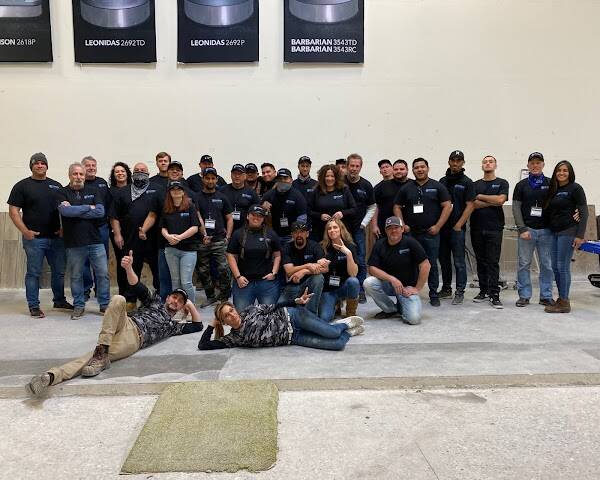 +3 photos
Concrete guys and pros

Seven Builders
Why: Strongest review activity in the last 90 days.

Ness Construction
Why: Specialist with a long local track record.
All General Contractors contractors in Nevada

