
Concord, NH Homeowner’s Guide to Hiring a General Contractor
Which eco-friendly materials are available for new builds in Concord?
In New Hampshire, quality craftsmanship sets the best contractors apart. In Concord, that craftsmanship pairs naturally with materials that stand up to long winters, freeze–thaw cycles, and spring rains off the Merrimack. Many builders here specify dense-pack cellulose or mineral wool insulation for high R-values that handle moisture swings common in older neighborhoods and on wooded lots. Triple-pane, cold-climate windows and well-detailed exterior insulation with a ventilated rainscreen help siding dry after nor’easters while keeping heating loads down. You’ll also see standing seam metal roofs, which shed snow cleanly and accept snow guards where sidewalks run close to eaves, and fiber-cement or locally sourced white-cedar shingles that hold up to Concord’s temperature swings. For structure and finishes, FSC-certified lumber from regional mills, reclaimed barn board, and New Hampshire granite for steps or stoops cut transport miles and add the kind of character that fits a New England streetscape. Low-VOC paints, HFO-blown spray foam for targeted air-sealing, cold-climate heat pumps, and ERVs round out systems designed for efficient, quiet operation through a Concord January.
How do general contractors estimate project costs in Concord?
Contractors in Concord start with a site visit, because local conditions drive the numbers as much as square footage does. Downtown infill lots can be tight to access, while parts of the city sit on or near granite ledge that changes excavation plans and may require redesign of foundations. Many homes here are capes, colonials, or Victorians with plaster-and-lath, balloon framing, and aging wiring—hidden conditions that responsible estimators flag with clear allowances and contingencies. A detailed scope follows, breaking out structural work, envelope upgrades for cold-weather performance, window and door packages suited to New England winters, and mechanical options like cold-climate heat pumps versus hydronic systems. Subcontractor walk-throughs and written quotes are gathered next, and material lead times—especially for custom windows and metal roofing—are built into the schedule to avoid mid-winter delays. Reputable Concord GCs also discuss seasonal logistics such as temporary heat for curing and snow management, which affect labor and timeline. The final proposal will spell out inclusions, exclusions, unit prices for likely add-ons, and a realistic schedule that accounts for City of Concord review timelines without guessing at fees.
How to inspect storm-damaged structures before renovation in Concord?
After a nor’easter or a heavy wind event, start by making the site safe and calm—if you have water inside or downed lines nearby, shut off utilities and wait for qualified help. From the ground, look for racked roof planes, displaced ridge lines, missing flashing around chimneys, and metal roofing panels or asphalt shingles lifted by gusts that often funnel along Concord’s tree-lined streets. Check exterior walls for sheathing movement and siding pulled off on the windward side, then walk the foundation to spot new cracks, mortar displacement in old stone or brick, or sill rot that shows up on older capes and colonials. In the attic, note wet insulation, sheathing stains, and daylight at eaves that signals ice-dam damage; on homes near the Merrimack or low-lying areas, move to the basement to look for seepage lines and pressure against foundation walls. Document everything with dated photos and keep a list of rooms with musty odors or cupped flooring that hint at hidden moisture. Before planning the renovation scope, bring in a structural engineer for any shifted framing, and have a licensed electrician evaluate panels and wiring if there was water intrusion. Stabilize with tarps or temporary shoring as directed by your contractor so you can dry the building down and avoid compounding damage while the permanent fix is designed.
What documentation should a contractor provide after final inspection in Concord?
At closeout, you should receive a comprehensive package that proves the work passed its final inspection and gives you everything needed to operate and maintain the upgrade. Expect written confirmation of the city’s final sign-off for the permitted work, along with copies of all inspections completed during the job and a notice of permit closure; for habitable additions or new builds, that typically includes a certificate of occupancy when applicable. Your contractor should hand over product manuals, warranty registrations, paint and finish schedules, appliance and equipment serial numbers, and any maintenance guidelines tailored to Concord’s climate, such as seasonal roof and drainage checks after freeze–thaw cycles. As-built drawings or marked-up plans are invaluable in older homes where walls don’t always match early records, and energy details like insulation locations and air-sealing notes help with future improvements. Financially, you’ll want a final invoice, a change-order log that matches the completed scope, and unconditional lien waivers from all subcontractors and major suppliers so your title remains clear. A signed punch-list completion document rounds it out, and many Concord homeowners keep a digital copy with dated photos in case they sell or plan the next phase. Trust local experts in New Hampshire for honest, reliable contracting solutions. Book a project planning session in New Hampshire.
Top Rated General Contractor Contractors in Concord
Based on verified ratings, recent review activity and license standing. How we pick
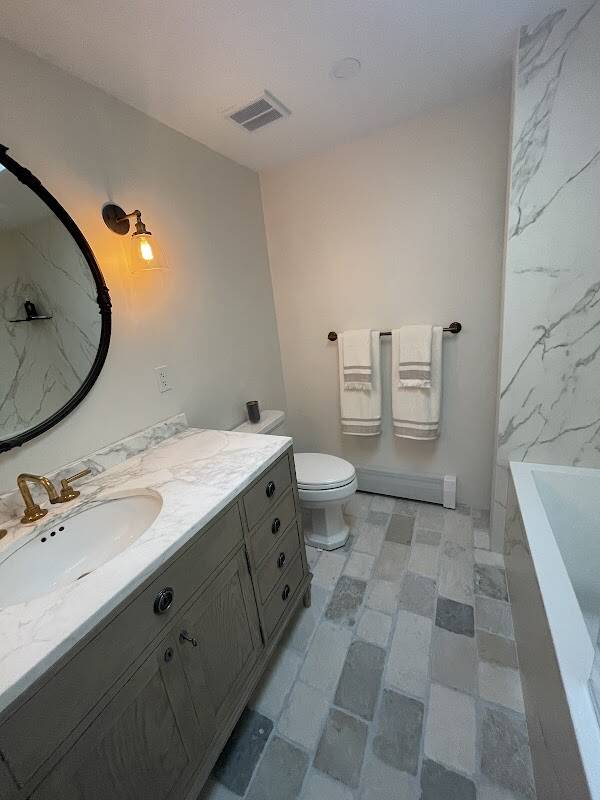 +3 photos
Tile & Stone, Inc. – Concord, NH – Masonry
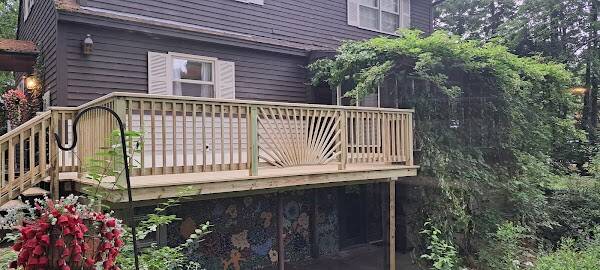
New Hampshire Niche
Why: Strongest review activity in the last 90 days.
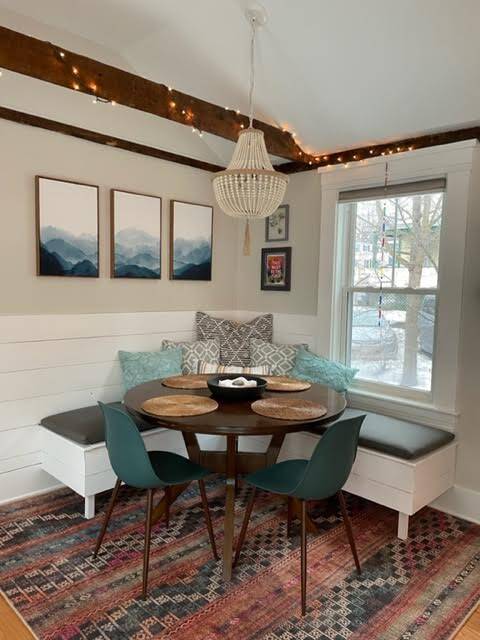
Milrod Home Improvement
Why: Specialist with a long local track record.
All General Contractors contractors in New Hampshire

