
Albuquerque Homeowner’s Guide to Choosing the Right General Contractor
Which materials and finishes suit Albuquerque’s dry climate and sun exposure?
In New Mexico, the right contractor protects your investment. Albuquerque’s high-desert climate brings intense UV exposure, low humidity, wide day–night temperature swings, and seasonal winds, so durable, sun-stable materials matter. For exteriors, contractors in the Duke City often favor stucco systems paired with high-quality elastomeric coatings to resist hairline cracking and UV fade around parapets and sun-baked walls. Fiber-cement siding, masonry, and metal accents perform well because they handle dry air without the warping that can affect some natural woods. Reflective, light-colored finishes on roofs and trim help reduce heat gain, while low-E, thermally broken windows limit solar load without sacrificing Sandia views. Indoors, sealed concrete, porcelain or natural stone tile, and engineered flooring stand up to tracked-in sand and fluctuating indoor humidity better than solid wood. Finishes that nod to Burque style—such as smooth plaster, beam accents, and earthy palettes—can be specified with modern sealers and UV-stable stains so they hold up in the long run.
How do GCs handle flat roofs and drainage in Albuquerque?
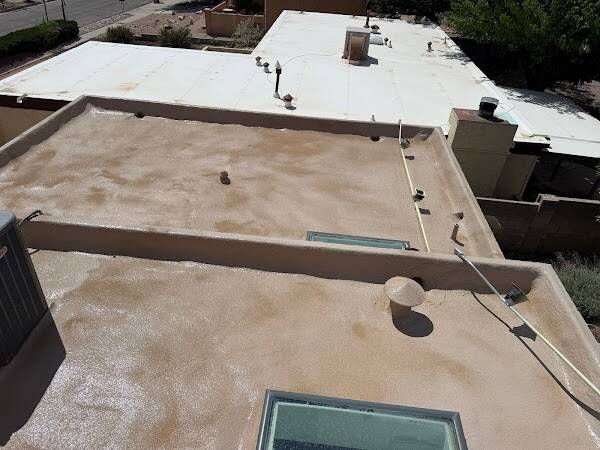
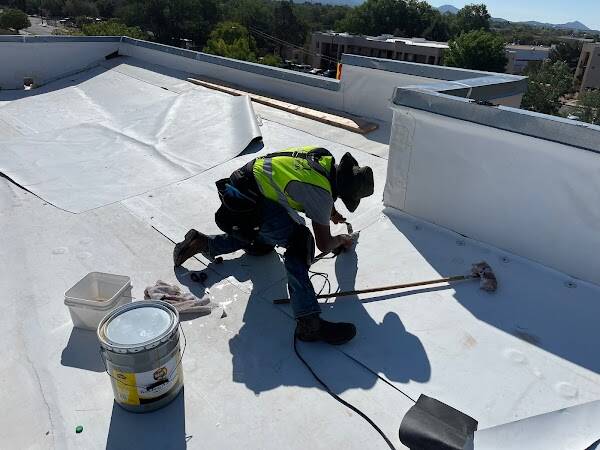
Flat and low-slope roofs are common across ABQ’s Pueblo- and Territorial-influenced homes, and they require skillful water management despite the dry climate. General contractors typically specify tapered insulation or crickets to move water toward drains, along with scuppers and canales at parapets to prevent ponding during summer monsoon cloudbursts. Membrane choices often include modified bitumen, TPO, or high-quality coatings, selected based on foot traffic, reflectivity goals, and maintenance preferences. Detailing at parapet caps, penetrations, and skylights is critical to resist the rapid freeze–thaw cycles that can occur on clear winter nights. A reliable GC will plan seasonal maintenance—clearing debris at canales, checking sealants, and confirming positive drainage—before the first big storm rolls off the mesas. Mechanical equipment and solar arrays should be mounted with careful load distribution and sealed curbs to avoid compromising the membrane. In older neighborhoods from Old Town to the North Valley, retrofits commonly add overflow scuppers and improved slopes to bring legacy roofs up to modern performance expectations.
“A contractor who understands Burque’s flat roofs and monsoon downpours can save a homeowner from leaks, ponding, and costly interior repairs.”
How does a general contractor coordinate permits and inspections in Albuquerque?
In the most populous city in New Mexico, a seasoned GC coordinates with the City of Albuquerque and, where applicable, Bernalillo County to align scope, drawings, and timelines with local requirements. The contractor assembles a clear plan set—architectural, structural when needed, and mechanical/electrical/plumbing—so reviewers can verify life-safety and building standards without delays. Permit applications are typically handled by the GC, who tracks review comments, addresses clarifications with the design team, and posts permits at the jobsite once approved. During construction, the contractor schedules required inspections at logical milestones, such as foundation, framing, rough-in of building systems, insulation, and final. Good recordkeeping—photographs, inspection tags, and updated as-builts—helps keep the project moving even when weather or trade sequencing shifts. For historic homes or neighborhoods with design guidelines, the GC coordinates any additional approvals before permit submission to prevent rework. Clear communication with neighbors and safe site practices further support smooth inspections in established Burque blocks.
When is a structural engineer required for remodeling in Albuquerque?
Albuquerque’s housing stock spans centuries—from early adobe forms near Old Town to mid-century bungalows and newer Westside builds—so structural needs vary widely. A structural engineer is typically required when removing or altering load-bearing walls, sizing beams for open-concept spaces, or modifying roof framing for larger skylights, rooftop equipment, or solar arrays. Foundation concerns, differential settlement, or retaining walls along sloped foothill lots are other triggers for engineered design and calculations. Older adobe, CMU, or hybrid construction benefits from an engineer’s assessment to validate lintels, connections at parapets, and reinforcement strategies that respect original materials. Heavy finish upgrades—like stone tile on upper floors or a new clay tile roof—also merit structural review to confirm load paths in Albuquerque’s dry, sometimes windy environment. When plans are stamped by a licensed engineer, a GC can pull permits more efficiently and build to a clear, verifiable specification. This extra step helps safeguard Burque homes and aligns inspections with documented structural intent.
Frequently Asked Questions About general contractors in Albuquerque, New Mexico
-
What exterior paint or coating stands up best to Albuquerque’s UV and wind?
Homeowners often see the longest life from high-quality elastomeric coatings on stucco and UV-resistant exterior paints on trim and fascia. A GC can match coatings to exposure—south- and west-facing walls near the Sandias usually need the highest UV protection and careful prep to prevent premature fading and hairline cracks.
-
Which flat-roof membrane lasts longer in Burque’s monsoon season—TPO or modified bitumen?
Both systems perform well when properly designed with tapered drainage, scuppers, and sealed penetrations. The best choice depends on traffic, reflectivity goals, and maintenance preferences; a local GC can compare warranties and detailing options for the specific home and neighborhood.
-
Do Albuquerque remodels need HOA or neighborhood approval before city permits?
Many subdivisions and townhome communities require design or architectural review before submitting to the City of Albuquerque. A GC typically coordinates these approvals in parallel so the permit application, drawings, and any neighborhood guidelines remain consistent.
-
Is it safe to remove a wall in an older North Valley or Nob Hill home?
Only after a structural assessment confirms whether the wall is load bearing and what size beam or support is needed. Engaging a structural engineer for calculations allows the GC to obtain permits and build the opening safely without compromising the home’s integrity.
Avoid overruns and delays with routine project reviews in New Mexico. Contact us for emergency repairs in New Mexico.
Top Rated General Contractor Contractors in Albuquerque
Based on verified ratings, recent review activity and license standing. How we pick
 +3 photos
TBC General Contracting, LLC
Apex Concrete Albuquerque
Why: Strongest review activity in the last 90 days.
CLI Construction
Why: Specialist with a long local track record.
All General Contractors contractors in New Mexico

