
Astoria Homeowner’s Guide to Hiring a General Contractor
What should a general contracting agreement include in Astoria?
In New York, quality craftsmanship sets the best contractors apart. A strong contract in Astoria should clearly define the scope of work with drawings, specifications, and product allowances spelled out to avoid surprises, especially in prewar co-ops and older wood-frame homes common across the neighborhood. It should assign responsibility for NYC Department of Buildings filings, required inspections, and coordination with any co-op or condo board so building rules, elevator reservations, and hallway protection are handled in advance. Timelines must include realistic milestones that consider material lead times and weather allowances for waterfront conditions along the East River, where wind, salt air, and storm schedules can affect deliveries and exterior work. The agreement should also lay out a change-order process in writing, warranty terms, site protection methods for shared hallways and stairwells, and debris removal logistics suitable for Astoria’s dense blocks near Long Island City and Sunnyside. Payment terms, lien waivers with every progress draw, and proof of insurance naming the homeowner (and building, when applicable) as additional insured should be attached. Homeowners who want to compare detailed proposals from vetted, licensed pros can use American Home Quotes (AHQ) to request side-by-side bids tailored to Astoria properties.
Which red flags indicate poor contractor communication in Astoria?
Communication breakdowns often start with vague estimates that lack line items, brand names, or allowances, which can balloon costs midstream. Another warning sign is reluctance to discuss permits or building management requirements, a must for many multi-family buildings between Woodside and East Elmhurst. If a contractor cannot outline a cadence for updates—such as weekly check-ins, photo logs, or on-site walk-throughs—schedule risk increases, especially in older units where hidden conditions are common. Evading questions about protecting common areas, work hours that respect neighborhood quiet periods, or dumpster staging on narrow streets suggests limited local experience. A contractor who cannot provide recent Astoria or Queens references, or who sidesteps discussing long-lead items like windows and custom millwork, may struggle to keep a project on timeline. Residents comparing communication habits can request multiple quotes through American Home Quotes (AHQ), which helps highlight who documents clearly and responds promptly.
- Ask for a sample daily or weekly project update to see how progress and issues will be reported.
- Request a contact tree with names, roles, and response times for the superintendent, project manager, and office.
- Require written confirmation of building rules (elevator booking, lobby protection, delivery windows) before work starts.
- Set a standing check-in slot—same day and time each week—to catch small issues before they become big ones.
What payment schedule protects homeowners during renovations in Astoria?
In Astoria, a staggered schedule tied to clear milestones helps maintain momentum and safeguards the budget. Many owners keep the initial deposit small and release subsequent draws only after specific benchmarks, such as permit issuance, completion of rough-ins, and passing inspections typical for New York City projects. Requiring supplier receipts or joint checks for big-ticket, special-order items—like custom cabinets or windows—adds transparency and reduces risk from delays that can ripple across busy Queens corridors. A modest retainage (often 5–10%) held until punch-list completion keeps finish quality high, especially for prewar trim and tile details common in the neighborhood. Each payment should be paired with signed lien waivers from the general contractor and any known subs to protect against surprise claims. All terms belong in the contract, along with a written change-order procedure that states pricing, timeline impact, and homeowner approval before any extra work proceeds.
What are the warning signs of unlicensed or uninsured contractors in Astoria?
Red flags include an inability to provide active New York City license or registration details and a current certificate of insurance for general liability and workers’ compensation. If the business name on insurance paperwork does not match the contract, caution is warranted. Requests for cash payments, pressure to sign quickly, or claims that homeowners should “pull the permit” to skip filings suggest avoidance of responsibility. A lack of recent Queens references, unmarked vehicles, and no physical business address can indicate limited accountability for work in dense, multi-family settings. Contractors who resist adding a homeowner or building as additional insured also raise risk, because many Astoria co-ops and condos require that protection. Verification directly through official NYC resources is prudent, and comparing multiple vetted pros through American Home Quotes (AHQ) can further reduce exposure to unqualified operators.
A well-managed project delivers both structural integrity and design satisfaction. Book a budget review in New York.
Frequently Asked Questions About general contractors in Astoria, New York
-
How can Astoria residents verify a contractor’s NYC license and insurance quickly?
Request the contractor’s full legal business name and license or registration details, then confirm them through official New York City portals. Ask for current certificates of insurance and check that policy dates, limits, and named insured match the contract and project address.
-
What documents help a prewar co-op renovation get board approval in Astoria?
Boards typically expect a detailed scope, drawings, proof of insurance, a work schedule, and a plan for protecting common areas and elevators. Including delivery logistics, debris removal methods, and contact information for the site lead can speed review.
-
What communication plan keeps a Queens remodel on schedule?
A weekly standing check-in supported by photo updates and a shared task list helps surface issues early. A single point of contact for the contractor, plus written change-order procedures, keeps decisions consistent and traceable.
-
How should progress payments and retainage be structured for small condo or townhouse projects?
Tie each draw to milestones such as permit issuance, rough-in completion, inspections passed, and substantial completion. Hold a reasonable retainage until the punch list is finished, and collect lien waivers with each payment to protect against later claims.
Top Rated General Contractor Contractors in Astoria
Based on verified ratings, recent review activity and license standing. How we pick
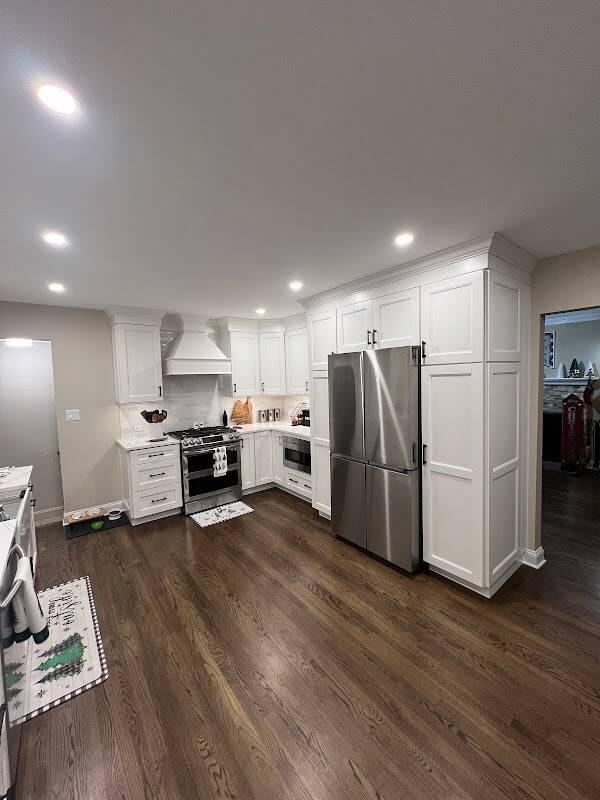 +3 photos
Ceko Contracting Inc.
Kiani Restoration Inc.
Why: Strongest review activity in the last 90 days.
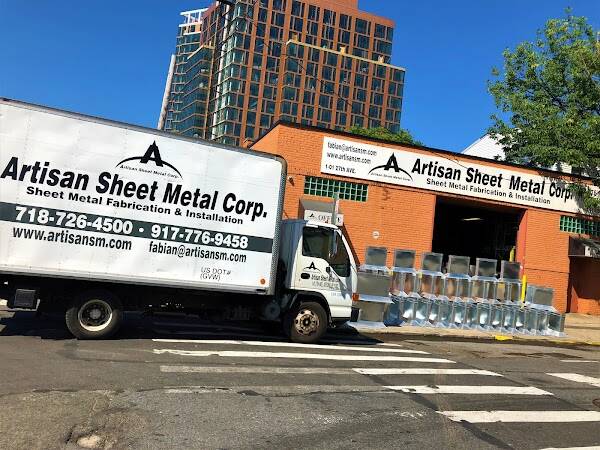
Artisan Sheet Metal Corp.
Why: Specialist with a long local track record.
All General Contractors contractors in New York
General Contractors contractors in other New York cities
- Borough Park
- Amherst
- Bronx
- Yonkers
- Brooklyn
- Washington Heights
- Buffalo
- Upper West Side
- Bushwick
- Syracuse
- East Flatbush
- Sunset Park
- East Harlem
- Staten Island
- East New York
- Sheepshead Bay
- Elmhurst
- Rochester
- Gravesend
- Queens County

