
Trusted Guidance for Hiring and Managing General Contractors in Bismarck, North Dakota
In Bismarck, what payment schedule protects homeowners during renovations?
In North Dakota, experience matters when choosing a contractor. On homes around Bismarck—from mid‑century ranches to newer builds on the city’s growing edges—a clear, milestone-based payment plan reduces risk and keeps craftsmanship on track. A seasoned contractor will propose a modest mobilization payment tied to ordering long-lead materials, followed by progress draws connected to measurable checkpoints rather than vague calendar dates. Each installment should align with visible work completed and, when applicable, passed inspections by the City of Bismarck’s Building Inspections division.
Structure the draws around definable deliverables. That might be demolition completed and hauled off, framing and rough-ins ready for inspection, drywall hung and taped, or cabinetry set and templated for counters. Homeowner tip: insist on signed, conditional lien waivers with every payment to protect against supplier or subcontractor claims. Retain a holdback until the punch list is fully closed and final inspection is complete. This approach rewards quality, signals clear expectations, and prevents paying ahead of performance—especially important during shoulder seasons when freeze–thaw cycles can slow exterior phases.
- Deposit: limited, tied to material procurement with a documented order.
- Interim draws: triggered by passed inspections or photo‑verified milestones.
- Final payment: after substantial completion, punch‑list signoff, and lien waivers.
Make sure the written agreement defines what “complete” looks like for each phase, how change orders are authorized, and how weather delays will be handled. In a compliance-conscious plan, both sides understand the sequence, the quality standards, and the evidence required before funds move.
Which retrofitting options improve home resilience in Bismarck?
Bismarck’s climate demands upgrades that respect freeze–thaw stresses and strong prairie winds. A durable retrofit plan starts by tightening the building envelope, managing water, and then right‑sizing mechanical systems.
Begin with an energy and moisture assessment to locate air leaks at rim joists, attic hatches, and around older windows typical of established neighborhoods near the Capitol. Air seal first, then add insulation where it performs best—such as dense attic layers and targeted rim‑joist treatment—to reduce ice-dam risk. Improve water management: upgrade eave protection under roofing, extend gutters and downspouts, and ensure grading sheds meltwater away from foundations. Foundation retrofits may include interior drain channels, sump upgrades, or exterior waterproofing when access allows. On walls, use a continuous drainage plane and proper flashing at windows and doors to accommodate seasonal movement. For mechanicals, consider sealed combustion appliances and balanced ventilation to control humidity through cold snaps. Door and window replacements should prioritize tight installation—back dams, sill pans, and head flashing—over brochure R‑values alone. Finally, verify each step through the contractor’s quality controls and, when required, city inspections to document that details were executed as specified.
How local programs support energy-efficient building in Bismarck?
Energy efficiency projects can feel complex, but Bismarck homeowners are not on their own. As North Dakota’s capital and second‑most populous city, Bismarck benefits from active utility guidance and contractor know‑how shaped by steady regional growth. The result is a practical path: plan upgrades, document performance, and leverage available incentives without guesswork.
Start by requesting an energy evaluation from a qualified professional who can prioritize envelope sealing, attic work, high‑efficiency equipment, and balanced ventilation. Local utilities and co‑ops commonly publish rebate options for efficient furnaces, water heaters, smart thermostats, and weatherization work; program availability changes, so contractors typically provide current forms and installation documentation (model numbers, commissioning data, and photos) to help homeowners apply. Federal tax credits may also apply to heat pumps, envelope improvements, and windows; reputable teams coordinate product selections to meet listed criteria without overselling. The City of Bismarck’s Building Inspections office can advise when permits are needed for mechanical or electrical upgrades, helping ensure work is inspected and properly recorded. The key is sequence: scope the project, confirm eligibility, install to manufacturer specs, and compile paperwork before final payment. This approach delivers comfort improvements, predictable utility savings, and a compliant record that supports future resale—no surprises, just methodical improvement.
How does project scheduling differ between large and small renovations in Bismarck?
Scope drives schedule. In Bismarck, a small bathroom refresh moves differently than a full addition or gut remodel, and the calendar must account for seasonal weather and city inspections.
- Permits and inspections: Smaller interior updates often require fewer inspections and can be sequenced tightly—demo, rough-ins, close-in, finishes. Large projects add plan review, multiple trade inspections, and sometimes utility coordination. A local pro builds float time around review cycles and books inspections early, reducing idle days.
- Procurement and lead times: For small jobs, long‑lead items (a custom vanity top, a special-order window) define the critical path. For large projects, structural components, windows/doors, and mechanical equipment drive the schedule. Contractors in Bismarck typically order early and store materials responsibly to avoid weather impacts and supply interruptions.
- Weather windows and freeze–thaw: Exterior work is phased to avoid damage from rapid temperature swings, especially on masonry, concrete, and roofing details. Crews prioritize dry‑in before deep cold and shift to interior trades during cold snaps, protecting finishes and ensuring adhesives, coatings, and concrete cure within manufacturer-recommended ranges.
Communication cadence also differs. A powder room refresh may run on a one- to two-week look‑ahead plan, while an addition calls for a master schedule with weekly updates, risk logs, and phased inspections. In both cases, a clear critical path and defined milestones keep the team aligned. This is particularly valuable in a fast-growing market like Bismarck—recognized by Forbes in 2014 for its rapid expansion—where coordinated scheduling separates smooth projects from stop‑and‑start frustrations.
What materials and finishes stand up to Bismarck’s freeze–thaw cycles?
Durability in Bismarck comes from assemblies that move, drain, and dry. On exterior walls, fiber‑cement or well-detailed engineered wood siding performs when paired with a continuous weather barrier, properly lapped flashing, and back‑primed cut ends. Trim and fasteners should be corrosion‑resistant to handle winter moisture. At the roof, robust underlayments—especially at eaves and valleys—help manage melt‑refreeze conditions that can force water upward under shingles. Ridge and soffit ventilation, combined with disciplined attic air sealing, reduces the temperature differential that feeds ice dams.
Masonry and concrete benefit from attention to joints and drainage. Walks and drives last longer when water is directed away and expansion joints are honored, helping surfaces survive repeated freeze–thaw. Windows and doors with stable frames (composite or quality vinyl) and warm-edge spacers resist seasonal movement; performance hinges on installation: sloped sills, sill pans, and head flashings prevent water entry as materials expand and contract. Inside, moisture-tolerant backer boards and high-quality sealants protect tub and shower areas through winter humidity swings. Finishes should be selected for serviceability—washable paints, durable floor surfaces—and detailed with transitions that accommodate minor movement. Attention to these craft details ensures materials work with the climate, not against it, preserving fit and finish through Bismarck’s long winters and brisk springs.
Frequently Asked Questions About general contractors in Bismarck, North Dakota
-
What is a fair down payment on a remodeling contract in Bismarck?
Reasonable deposits are typically tied to ordering materials rather than paying for future labor. Protect payment cadence by using milestones—passed inspections, documented deliveries, or verified completion stages—and collecting lien waivers with each draw. Holding a small retainage until punch‑list completion keeps quality front and center.
-
How can a homeowner prevent ice dams and winter leaks during a renovation?
Start with air sealing at the attic and rim joists, then add properly installed insulation to reduce heat loss that drives ice dams. Pair that with upgraded eave protection, correct roof ventilation, and careful flashing at penetrations. Managing drainage away from the foundation also helps during rapid thaws.
-
Where should Bismarck homeowners look for energy-efficiency incentives?
Check current offerings from local utilities or co-ops and review federal tax credits for qualifying equipment and envelope improvements. A contractor can align product selections and provide documentation (model numbers, commissioning photos) needed for applications. Always confirm eligibility before installation to avoid missing benefits.
-
How long does a small bathroom update take compared to a full addition?
A focused bathroom refresh can often be scheduled in a tight sequence once materials are in hand. A full addition involves plan review, multiple inspections, and more procurement steps, so it runs on a longer master schedule with weather contingencies. Clear milestones and weekly updates help both scopes stay predictable.
-
Which exterior materials hold up best to Bismarck’s freeze–thaw conditions?
Fiber‑cement or engineered wood siding installed over a continuous weather barrier, with meticulous flashing and corrosion‑resistant fasteners, performs well. Roofing with robust eave protection and proper ventilation also resists winter stresses. Quality installation is the difference-maker, allowing assemblies to move and drain as temperatures swing.
-
What documents should be collected with each contractor payment?
Request a detailed invoice tied to the contracted milestone, conditional lien waivers from the general and key subs, and proof of passed inspections when applicable. Keeping this paper trail protects the property and supports resale with clear records of compliant work.
Stay ahead of issues with regular project updates in North Dakota. Ask about project management in North Dakota.
Top Rated General Contractor Contractors in Bismarck
Based on verified ratings, recent review activity and license standing. How we pick
 +3 photos
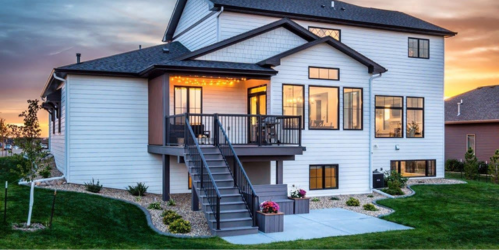
Vantage View Decks
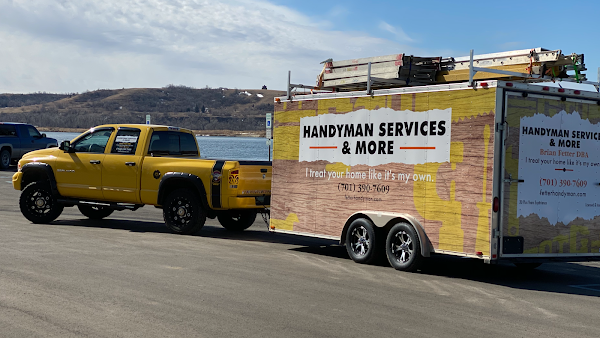
Fetter Handyman services
Why: Strongest review activity in the last 90 days.
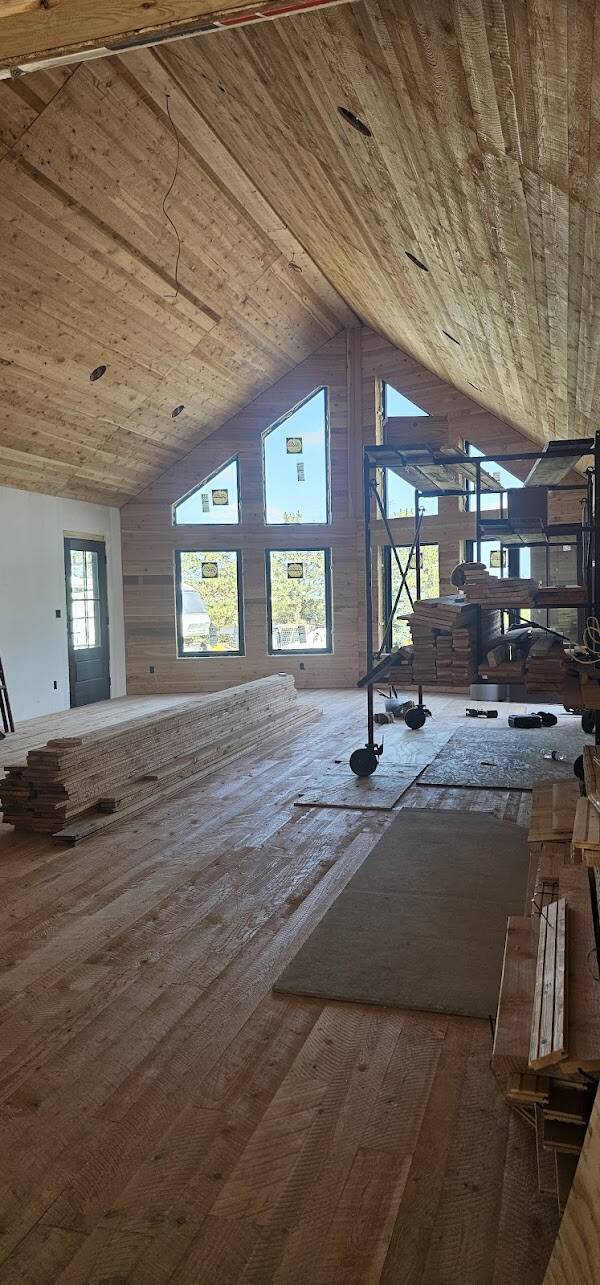
Trophy’s Home Improvement LLC
Why: Specialist with a long local track record.
All General Contractors contractors in North Dakota

