
Lakewood, Ohio General Contractors Guide: Permits, Bids, and Best Practices
From kitchen remodels to new builds, Lakewood contractors handle it all. Set on the southern shore of Lake Erie and established in 1889, Lakewood’s dense, streetcar-era neighborhoods present unique construction conditions—tight lots, mature structures, and seasonal weather swings that challenge exterior work. With a 2020 population of 50,942 and status as the third largest city in Cuyahoga County behind Cleveland and Parma, coordination and compliance drive successful projects here.
What should be included in a contractor’s bid in Lakewood?
A complete bid clarifies scope, cost, and compliance so there are no surprises during construction. The more precise the document, the smoother the permitting, scheduling, and inspection process will be in a busy, lakefront city like Lakewood.
A strong bid should define a detailed scope of work (demolition, structural, mechanical, finishes) tied to plan sheets and specifications, with named materials, model numbers where applicable, and allowances for selections not yet finalized. Pricing must break out labor, materials, equipment, disposal, and any contingency. In Lakewood’s older housing stock, bids should address site protection for tight lots and neighboring structures, dust control in occupied homes, and weather provisions for freeze–thaw and lake-effect conditions. The schedule needs start and completion targets, permit acquisition responsibilities, required inspections, and lead times for custom items. Exclusions and assumptions must be spelled out (e.g., unforeseen conditions within walls), along with a clear change-order process and hourly rates for extra work. Insurance and bonding proofs, warranty terms, and subcontractor lists should be attached. To support permit review, include code-reference notes on drawings as appropriate, product data sheets, and a plan for safe utility disconnects and reconnects. Finally, the payment schedule should be milestone-based and aligned with inspections or deliverables, never front-loaded.
Which construction techniques make homes more storm-resistant in Lakewood?
Start at the roof. A sealed roof deck with proper sheathing fastening, an ice-and-water barrier at eaves and valleys, and well-integrated flashing reduces wind-driven rain and ice dam risks common along Lake Erie. Specify architectural shingles or other roof coverings installed per manufacturer guidelines, with ridge and soffit ventilation balanced to manage moisture and winter condensation.
Next, harden the exterior shell. Robust housewrap, carefully taped seams, and pressure-managed rainscreen details behind siding help shed wind-driven moisture during storms. Windows and doors should have flashed openings with back dams and pan flashings; low-expansion foam and sealants complete the air seal without distorting frames. At grade, manage water with gutter capacity sized for intense rainfall, oversized downspouts, and downspout extensions that discharge away from foundations. Foundation drainage, sump pumps with backflow protection, and backup power options add resilience during outages. Tie the structure together with properly sized anchor bolts, hurricane clips or straps where specified, and continuous load paths from roof to foundation to resist uplift and racking. Reinforced garage doors can be a critical upgrade because they are large openings exposed to wind. Finally, design for operations: specify door sweeps, threshold seals, and weatherstripping that can be easily replaced, and ensure mechanical penetrations are flashed and sealed. Regular maintenance—clearing gutters, checking sealants, and inspecting roof edges—keeps these systems effective season after season.
What local programs support energy-efficient building in Lakewood?
Owners in Lakewood typically combine municipal guidance, regional utility offerings, and federal incentives to reduce energy use. The most effective approach is to plan upgrades around a diagnostics-first assessment and then align improvements with available rebates or credits.
Begin with an energy audit conducted by a qualified professional using tools like blower doors and infrared scans to pinpoint air leaks and insulation gaps common in streetcar-era homes. This data-driven plan helps prioritize air sealing at the attic plane, targeted insulation, and duct sealing or right-sizing. Regional utilities often provide rebates for measures such as insulation, smart thermostats, and high-efficiency HVAC, while federal tax credits can support heat pumps, windows, and envelope improvements; a licensed contractor can document equipment ratings and commissioning to meet program rules. For whole-home upgrades, third-party verifications—such as duct leakage tests—help qualify for incentives and ensure measurable results. Coordination with the local building department supports proper permitting for mechanical replacements and envelope work where required, and contractors can phase improvements to limit seasonal disruption during Lake Erie winters. Financing and timing matter, too: pairing incentive milestones with construction draws keeps cash flow predictable and prevents delays in ordering high-efficiency equipment. Close out with documentation: final invoices, model numbers, and test results packaged for rebate and credit submissions.
How long does it take to get a building permit approved in Lakewood? (explained for local homeowners)
Timeframes vary by scope, complexity, and the completeness of the application. Simple, interior-only projects with clear plans tend to move faster, while additions, structural changes, and multifaceted renovations take longer due to additional reviews.
Plan completeness and clarity: Well-documented drawings, specifications, and product data speed review. When plans clearly address structural changes, mechanical layouts, and site considerations for dense lots, fewer clarifications are needed, reducing back-and-forth. Zoning and site factors: Projects that adjust footprint, height, or setbacks require zoning checks. In Lakewood’s compact neighborhoods, clarity on lot coverage, access, and site protection can influence the review sequence and inspection scheduling. Responsiveness during review: If the city requests revisions or clarifications, quick, precise responses by the design–build team keep momentum. Scheduling inspections in a logical sequence and coordinating with neighboring properties for access can also prevent post-approval delays. Homeowners can further streamline the process by choosing a contractor accustomed to Lakewood’s review flow, submitting digital plans as required, and planning around seasonal constraints—winter conditions can affect exterior work even after permits are approved.
How do Lakewood’s older homes influence remodeling scope and cost?
Streetcar-era homes offer character—solid framing, distinctive trim, and thoughtful layouts—but that vintage charm often requires careful planning. In dense neighborhoods near Lake Erie, access, staging, and protection of adjacent properties also influence scope and logistics.
Expect discovery. Opening walls can reveal conditions that drive decisions: original plaster, past modifications, or aging components that warrant upgrades during construction. A prudent budget sets aside contingency for such findings and targets key risk areas first, like weather-exposed exteriors and attic air sealing. Detailing matters, especially where new systems meet old materials; transitions at floors, stairways, and window openings benefit from field-measured fabrication and mockups. Moisture management is a major theme in a lake climate: exterior flashing repairs, improved ventilation, and foundation drainage reduce long-term maintenance. Because lot lines are tight, contractors should plan material deliveries, dumpster placement, and temporary fencing to keep sidewalks clear and neighbors comfortable. Inside, phased work allows occupants to remain in place while controlling dust and noise. Documentation—photos of concealed conditions, daily logs, and change-order write-ups—keeps everyone aligned and helps preserve the home’s architectural integrity while meeting modern performance goals.
What should Lakewood homeowners check before signing a construction contract?
Contracts should translate the proposal into a clear, enforceable agreement that protects the home and the project. In Lakewood’s active market, careful review before signing prevents disputes and keeps work aligned with permitting and inspections.
Verify credentials: confirm the contractor’s business registration, required trade licenses for specialized work, and current general liability and workers’ compensation insurance. Request certificates naming the property owner as certificate holder. Check scope and documents: ensure plans, specifications, allowances, and finish schedules are attached and referenced in the contract body. The payment schedule should be milestone-based—not front-loaded—and linked to deliverables such as rough-in or final inspections. The contract must define a change-order procedure, including pricing, approvals, and impact on schedule. Require lien waivers with each progress payment to protect title. Look for warranty terms in writing, jobsite safety and cleanliness standards suited to tight Lakewood lots, and responsibility for permits and inspections clearly assigned. For schedule realism, include lead times for special-order items and weather contingencies relevant to Lake Erie winters. Homeowner tip: ask for a pre-construction meeting agenda covering access, parking, work hours, and neighbor notifications—small logistics prevent big headaches. Finally, establish dispute-resolution steps and a communications cadence, such as weekly progress updates with photos and next-step checklists.
Frequently Asked Questions About general contractors in Lakewood, Ohio
-
How can a homeowner compare two remodeling estimates fairly in Ohio?
Normalize the scope first by ensuring both estimates reference the same plans, specifications, and finish levels. Then compare line-item pricing, exclusions, allowances, and schedule milestones, and ask both contractors to explain contingency handling and change-order rates. Request sample invoices and closeout packages to see how each firm documents progress and inspections.
-
What roof upgrades help against lake-effect snow and wind near Lake Erie?
Specify a sealed roof deck with an ice-and-water barrier at eaves and valleys, plus correct flashing at all penetrations. Balanced attic ventilation, reinforced shingle installation per manufacturer guidance, and routine maintenance of gutters and edges further reduce winter damage risks. Where appropriate, add structural connectors to improve load paths.
-
Where do homeowners find rebates for insulation or heat pump upgrades around Lakewood?
Most owners start with their regional utility’s efficiency programs and pair those offers with federal tax credits for eligible equipment and envelope measures. A qualified contractor can coordinate required documentation, testing, and commissioning to meet program criteria. Energy audits help prioritize upgrades likely to qualify.
-
What causes permit delays for additions in Cuyahoga County suburbs?
Incomplete plan sets, unclear structural details, and unresolved zoning questions are common culprits. In dense neighborhoods, site access, lot coverage, and neighbor impacts can also trigger extra review steps. Fast responses to reviewer comments and clear documentation typically shorten timelines.
-
What proof of insurance should a general contractor provide before work starts?
Request a current certificate of insurance showing general liability and workers’ compensation coverage, with the homeowner listed as certificate holder. Confirm policy limits are appropriate for the project size and ask for endorsements upon request. Keep copies with the contract and require updated certificates if the project extends over policy renewal dates.
Trust local experts in Ohio for honest, reliable contracting solutions. Schedule a contractor interview in Ohio.
Top Rated General Contractor Contractors in Lakewood
Based on verified ratings, recent review activity and license standing. How we pick
 +3 photos
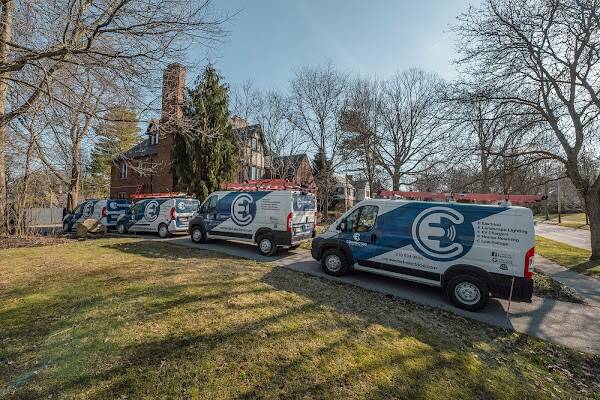
Connected Electrical
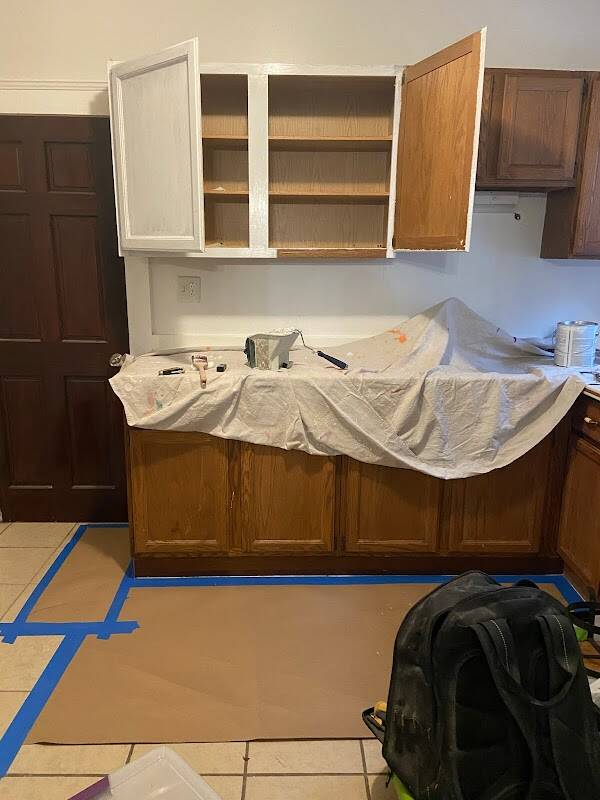
JB Restoration And More
Why: Strongest review activity in the last 90 days.
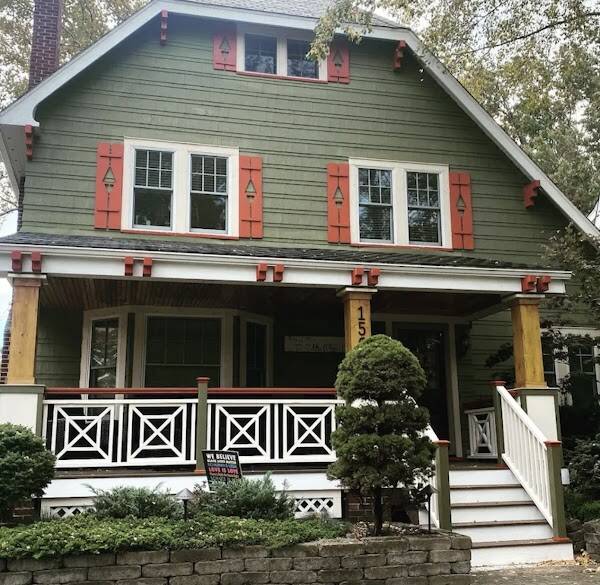
Practical Renovations, Inc.
Why: Specialist with a long local track record.
All General Contractors contractors in Ohio
General Contractors contractors in other Ohio cities
- Akron
- Canton
- Cincinnati
- Cleveland
- Columbus
- Dayton
- Elyria
- Hamilton
- Kettering
- Lorain
- Parma
- Springfield
- Toledo
- Youngstown

