
Springfield, Oregon Homeowner’s Guide to Hiring and Working With a General Contractor
How does a general contractor coordinate permits and inspections in Springfield?
In Oregon, contractors coordinate all trades for seamless results. On a Springfield project, that starts with a clear scope, stamped plans when design work is required, and a properly completed permit application submitted to the local building department serving the property address. A seasoned general contractor assembles product data, engineering where needed, and site plans that reflect Springfield’s Southern Willamette Valley conditions—especially detailing for coastal humidity and storm-driven moisture. Submittals typically include structural, mechanical, electrical, and plumbing details so the City or County reviewer can confirm compliance. However, chasing speed by filing incomplete documents often triggers correction cycles that cost more time than a careful first pass.
Once permits are issued, the contractor builds an inspection roadmap: foundation, framing, rough-in MEPs, insulation, and final. Each inspection is scheduled around trade availability so work is ready when the inspector arrives—no guesswork, no rework. Because Springfield is the second-most populous city in the Eugene–Springfield metro area, calendars can fill quickly, so an attentive contractor books key inspections days in advance and keeps contingency time in the schedule. Jobsite housekeeping, labeled plans on-site, and accessible attics and crawlspaces help inspections go quickly. The contractor then closes the loop by addressing comments, documenting approvals, and updating homeowners so decisions are made with full context.
In Springfield, how should multiple subcontractors be managed during large renovations?
Large renovations succeed on process. A strong general contractor begins with a detailed scope matrix that assigns each task to a trade—demolition, structural carpentry, roofing, exterior envelope, plumbing, electrical, HVAC, insulation, drywall, finishes, and cleanup—so nothing is double-covered or missed. Next comes a realistic calendar built on lead times for Springfield-area suppliers and trade availability, then a preconstruction meeting where each sub signs onto sequencing, site rules, and communication standards. For example, when opening a kitchen to the backyard, framing must finish shear work before electrical rough-in, and exterior weather barriers should be ready before cabinets are delivered.
Critical path scheduling and trade sequencing
Good builders identify a project’s critical path and protect it. Tasks that can float (like some trim items) are scheduled around tasks that cannot slip (inspections, window delivery, utility shutdowns). Daily logs track progress, photos, and any conflicts. Moisture management is a Springfield must, so envelope work is planned around forecasted storms and protected with temporary flashing and covers. Site logistics—material staging, dumpster access, and safe egress—are mapped to keep Interstate 5 corridor traffic realities and neighborhood constraints in mind. Clear change-order procedures prevent scope creep; if a homeowner decides midstream to add a covered patio, the contractor issues a written cost/schedule impact before any work begins. Weekly coordination meetings and a single point of contact for homeowners keep decisions moving and the job clean, safe, and on schedule.
Which retrofitting options improve home resilience in Springfield? (explained for local homeowners)
Resilience in Springfield starts with moisture control and structural continuity. For exteriors, high-quality flashing at windows and doors, upgraded housewrap with well-detailed laps, and rain-screen battens behind siding help manage coastal humidity and storm-driven moisture. Roof upgrades—ice- and water-resistant underlayment at eaves and valleys, securely fastened shingles or panels, and tightened penetrations—reduce wind-driven rain intrusion. Gutters sized for seasonal downpours, full-length downspouts, and splash blocks or drains routed away from the foundation keep water where it belongs.
Structurally, many homes benefit from improved load paths: anchor bolts or retrofit plates between sill plates and foundations, properly nailed shear panels, and hold-downs at critical corners. Crawlspace improvements—continuous vapor barriers and insulated, air-sealed rim joists—help stabilize interior humidity and protect framing. Upgrading attic ventilation while air-sealing ceiling penetrations reduces condensation risk and improves comfort. For mechanical systems, backdraft dampers, sealed ductwork, and appropriately sized bath and kitchen exhaust ensure that humid indoor air exits the home rather than the wall cavity. As an example, when replacing siding on a Springfield residence, a contractor may add a rain screen, reflash windows, and tie new shear panels into the framing to strengthen walls while the exterior is open. These targeted retrofits, timed with planned maintenance or remodels, deliver strong value without major disruption.
How should Springfield homeowners verify a contractor’s license and insurance?
Verification should be simple and formal. A reputable contractor will provide a current Oregon CCB license number and proof of insurance without hesitation.
Homeowners can confirm the CCB license status on the Oregon Construction Contractors Board website, checking for active license, bond, and any disciplinary history. Liability insurance should be evidenced by a certificate from the carrier that lists coverage limits and policy dates; for larger projects, ask to be listed as certificate holder. If workers will be on-site, verify workers’ compensation coverage as applicable. Request written confirmation that all subcontractors carry their own CCB licenses and insurance, and require site-specific waivers of lien with each progress payment. References from recent Springfield projects, with addresses if possible, help confirm local performance. Comparison tools like American Home Quotes (AHQ) can also help homeowners gather multiple bids from licensed contractors in the area while keeping credentials transparent. Keeping these checks in writing protects budgets, timelines, and peace of mind.
Frequently Asked Questions About general contractors in Springfield, Oregon
-
Do Springfield remodels require different weatherproofing steps than other Oregon cities?
Yes—Springfield sits in the Southern Willamette Valley with coastal humidity and storm-driven moisture, so envelope details matter. Contractors often emphasize improved flashing, rain-screen gaps, and careful roof underlayment to handle wind-driven rain. Scheduling exterior work around storms and protecting open walls prevents costly rework.
-
What can homeowners do to avoid inspection delays on a Springfield project?
Have complete plans and product specs ready, and keep the site clean with easy access to inspection areas. An experienced contractor books inspections early and sequences trades so work is ready when inspectors arrive. Clear labeling of plans and prompt responses to correction notes keeps projects moving.
-
How can overlapping trades be coordinated so a kitchen remodel doesn’t stall?
A contractor should publish a trade-by-trade schedule, hold weekly coordination meetings, and protect the critical path. For example, framing and rough-in inspections should precede cabinet delivery, with drywall and priming completed before countertops are templated. Defined change-order procedures keep additions from derailing the timeline.
-
Is structural retrofitting worth it during siding or roof replacement in Springfield?
Combining exterior replacements with targeted retrofits delivers strong value. While walls or roofs are open, contractors can add shear panels, improve anchorage, upgrade underlayment, and correct flashing—work that’s far harder later. These steps boost durability against storm moisture and improve overall performance.
-
What documents prove a Springfield contractor is properly licensed and insured?
Look for an active Oregon CCB license, a current liability insurance certificate from the carrier, and workers’ comp where applicable. Request written confirmation that all subcontractors carry their own coverage, and collect lien waivers with payments. Online tools like AHQ can help compare licensed contractors and confirm credentials.
Keep your home protected with regular contractor check-ins in Springfield. Call now for expert contractor help in Springfield.
Top Rated General Contractor Contractors in Springfield
Based on verified ratings, recent review activity and license standing. How we pick
 +3 photos
Emerald Bath Works
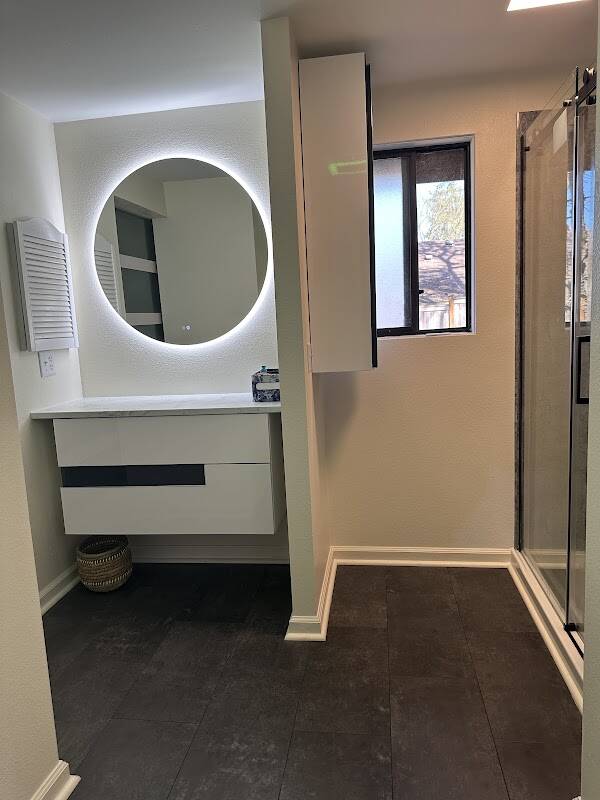
Mixon Bros. Construction LLC
Why: Strongest review activity in the last 90 days.
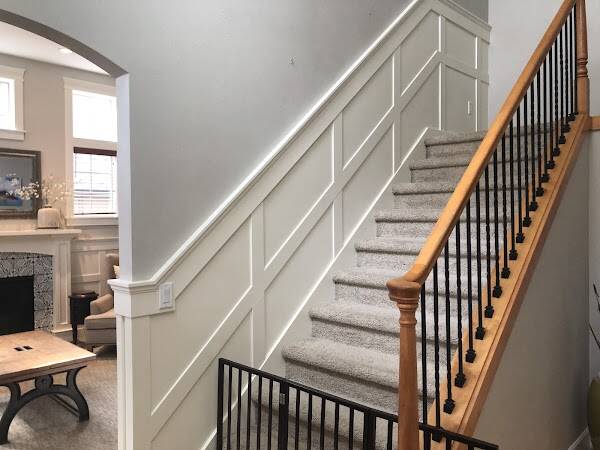
From The Ground Up Construction LLC
Why: Specialist with a long local track record.
All General Contractors contractors in Oregon

