
Bethlehem Homeowner’s Guide to Hiring a General Contractor
How payment schedule protects homeowners during renovations in Bethlehem?
From small updates to major renovations, Bethlehem contractors deliver. A clear payment schedule is what keeps that delivery on target and protects the homeowner’s budget. The goal is simple: pay for real progress, not promises.
A practical, protection‑forward schedule in the Lehigh Valley starts with a modest deposit to secure the calendar, followed by progress payments tied to visible milestones—demolition complete, framing passed, rough‑in inspections signed, and finishes installed. Each draw should be contingent on walk‑through verification and lien waivers from the general contractor and major subcontractors. In Bethlehem, where seasonal weather can stretch timelines and supply deliveries, it is wise to include a retainage (a small portion held until the final punch list is complete) so workmanship and details receive full attention. Put change orders in writing before work proceeds, with scope, cost, and added days clearly stated; this avoids mid‑project confusion common in older homes along the Lehigh River that may reveal hidden issues. A weekly payment/milestone tracker keeps both parties aligned when rain days or inspection schedules nudge dates. Require proof of insurance and confirm the company name on invoices matches the signed contract. If material lead times slip—a reality during busy Lehigh Valley building seasons—shift the payment for those items to delivery, not order date. This step‑by‑step approach balances cash flow for the contractor with protection for the homeowner, reduces friction if weather causes delays, and ensures money follows measurable progress rather than optimistic projections.
In Bethlehem, how to inspect storm-damaged structures before renovation in Bethlehem?
Start with safety. If there is suspected structural movement, downed lines, or gas odors, keep everyone out and contact the utility and emergency services. Once the site is safe, a methodical exterior‑to‑interior check helps document issues common after Lehigh Valley wind, hail, or freeze‑thaw events. Roof first: look for missing shingles, bent flashing at chimneys and dormers, and soft roof decking at eaves where ice can back up. Siding and masonry next: check for impact cracks in brick or stucco and displaced mortar joints. On the interior, scan ceilings at outside walls for fresh stains, bubbled paint, or sagging drywall. In basements and crawlspaces, note damp bands on foundation walls after heavy rain and examine sill plates for moisture or insect damage that a storm might have revealed.
Photograph problems in daylight from multiple angles and record locations by room. Temporary protection—tarping, plastic sheeting, or gentle dehumidification—prevents additional damage before a contractor mobilizes. In Bethlehem’s seasonal swings, hidden moisture is the enemy; use a moisture meter or request one in the contractor’s initial assessment. For questionable framing, a licensed general contractor can coordinate a structural engineer’s evaluation so repairs meet professional standards before finishes go back up.
- Shut off power to wet areas until a qualified pro checks wiring and panels.
- Save loose materials (shingles, flashing) for matching and insurance review.
- Mark water lines on walls to track drying progress and spot recurring leaks.
- Ask for a written scope separating emergency stabilization from permanent repairs.
In Bethlehem, what should homeowners expect from a licensed general contractor in Bethlehem?
Expect clear leadership from pre‑construction through the final punch list. A licensed general contractor should provide a written scope with allowances, a milestone‑based schedule, and a product list that fits Bethlehem’s climate—ice‑resistant roofing details, durable exterior claddings, and sealants that hold up to humidity in summer and cold snaps in winter. The contractor typically coordinates permits with the city, schedules inspections, and manages vetted trades for framing, mechanicals, and finishes. Insurance certificates and references from recent Lehigh Valley projects should be easy to supply. Homeowners should also see proactive site protection plans for established neighborhoods—dust control for plaster homes, floor protection for narrow hall layouts, and parking coordination on tighter streets near the historic core.
Communication is a deliverable. Weekly updates, photo check‑ins, and change‑order approvals keep surprises from derailing cost or timeline. Warranty terms and care instructions (paint cure times, grout sealing, roof maintenance) should be provided at handoff. However, speed has trade‑offs: fast‑track schedules can raise costs or limit material choices if local suppliers do not have items in stock. A seasoned Bethlehem contractor will be straightforward about these trade‑offs and offer options—adjust scope, extend schedule slightly, or select readily available equivalents—so the project stays realistic and durable.
Which eco-friendly materials are available for new builds in Bethlehem?
Eco‑friendly options that fit Bethlehem’s four‑season climate focus on durability, indoor air quality, and energy performance. For envelopes, cellulose or mineral wool insulation performs well in exterior walls and attics, while air‑sealing membranes reduce drafts that are noticeable along the Lehigh River’s winter winds. Low‑VOC primers, paints, and adhesives improve indoor air during both humid summers and closed‑window months. Recycled‑content steel, responsibly sourced wood, and engineered lumber minimize waste while achieving design spans common in modern open plans. On the exterior, fiber‑cement siding, masonry veneers, and metal roofing provide long service life with modest maintenance. High‑performance windows suited for Pennsylvania’s seasonal swings help with comfort, and permeable pavers can ease runoff on sloped lots.
Pros: long lifespans, fewer repaint cycles, healthier indoor air, and lower energy use across hot‑cold extremes. Cons: higher upfront costs for some products, and occasional lead times that may influence schedule during busy Lehigh Valley building periods. To choose wisely, ask the contractor to price “good/better/best” options and to discuss embodied carbon versus operational energy for major selections like framing packages and roofing. A calm, phased approach works: prioritize air sealing and insulation, then windows and roofing, and finally finishes. This sequence usually delivers the best comfort gains for Bethlehem households without overwhelming the budget.
How do Bethlehem’s seasons and housing stock impact renovation timelines?
Realistic timelines in Bethlehem blend two factors: weather windows and the character of local homes. Spring and fall often provide stable temperatures ideal for exterior work, while deep winter can slow concrete curing and roofing, and summer storms can push back outdoor finishes. Older homes in established neighborhoods may reveal surprises once walls open—uneven framing, aged plumbing, or patched wiring—that add investigation and coordination days. Newer builds, by contrast, tend to move predictably, but material lead times and inspection schedules can still shift dates.
A contractor’s plan should sequence tasks to protect the schedule: design and selections early, long‑lead products ordered before demolition, and inspections timed so trades do not idle. For interiors, a few days of adjustment for drying compounds, floor acclimation, and paint curing are common; compressing these steps risks callbacks. Exterior upgrades along the Lehigh River corridor benefit from weather‑aware staging—tackling roofing and flashing ahead of seasonal storms and reserving detail painting for milder stretches. Homeowners set the pace by approving drawings and materials promptly and by keeping decision changes bundled rather than piecemeal. The right expectation is steady, milestone‑based progress with flexibility for conditions, not an unbroken line of perfect days. When the plan accounts for Bethlehem’s seasonal rhythm and mixed housing stock, timelines stay realistic and craftsmanship stays high.
Frequently Asked Questions About general contractors in Bethlehem, Pennsylvania
-
How should milestone payments be structured on a Lehigh Valley remodel?
Link payments to visible milestones such as demolition, rough‑in approvals, and finish installations, with a small retainage held until the punch list is complete. Request lien waivers at each draw and tie deposits to actual mobilization or delivery rather than order placement.
-
What should be checked right after wind or hail before calling a contractor?
Start outside with roofing, flashing, and siding, then look inside for fresh stains, soft drywall, or damp sill plates. Document everything with photos and stabilize the area with tarps or dehumidification until a professional assessment is scheduled.
-
How can homeowners verify a general contractor’s credentials in Pennsylvania?
Ask for licensing details, proof of insurance that matches the contract name, and recent local references. A reliable contractor also provides a written scope, milestone schedule, and clear change‑order process before work begins.
-
Are eco-friendly building materials worth it in Bethlehem’s climate?
Materials like cellulose or mineral wool insulation, low‑VOC finishes, fiber‑cement siding, and durable roofing perform well across hot summers and cold winters. Upfront costs can be higher, but the longevity and comfort gains often justify the selection over time.
-
When is the best time of year to start a renovation in the Lehigh Valley?
Spring and fall are typically the most predictable for exterior work, while interior projects can proceed year‑round with weather‑aware scheduling. Build in flexibility for inspections and material lead times, and sequence tasks to make the best use of stable weather windows.
A little planning goes a long way for Bethlehem renovations. Contact us for emergency repairs in Pennsylvania.
Top Rated General Contractor Contractors in Bethlehem
Based on verified ratings, recent review activity and license standing. How we pick
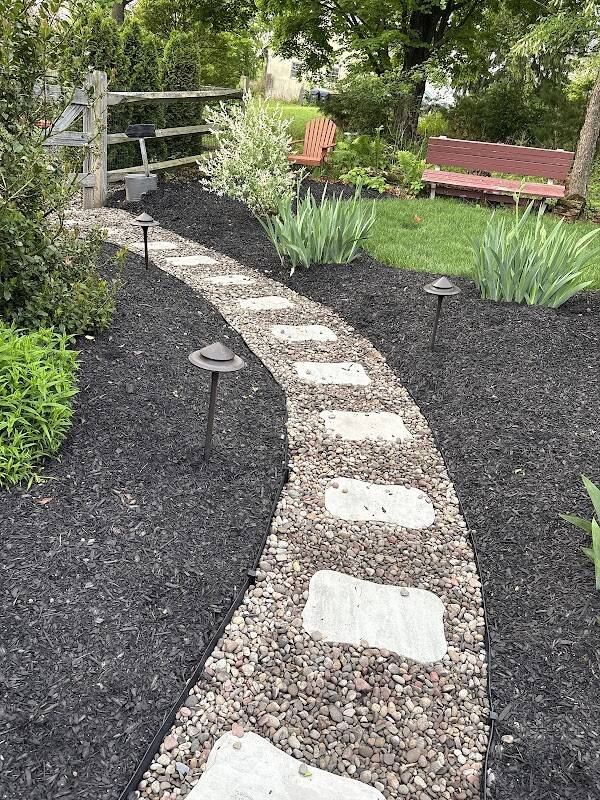 +3 photos
Turf Titans LLC
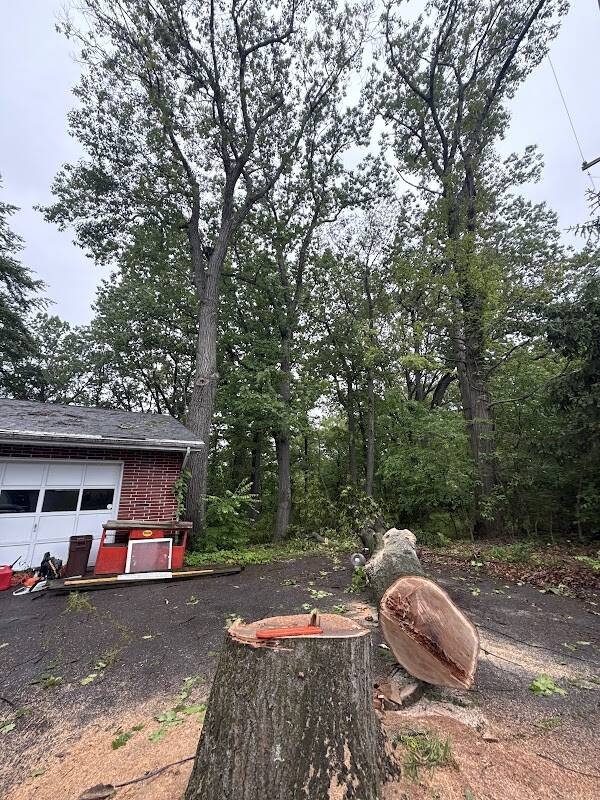
Superior Standards & Solutions Junk Removal & Demolition
Why: Strongest review activity in the last 90 days.
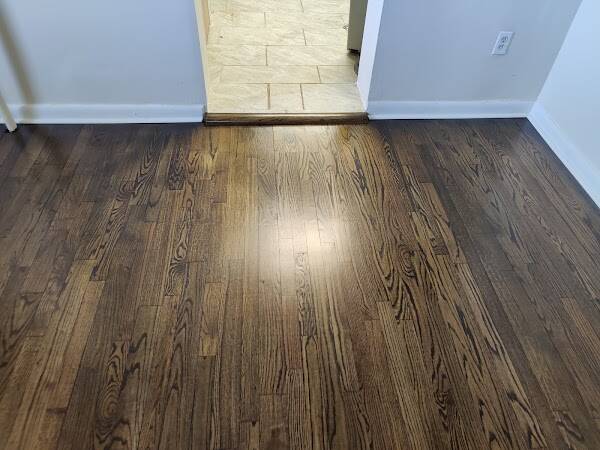
HC Hardwood Floors
Why: Specialist with a long local track record.
All General Contractors contractors in Pennsylvania
General Contractors contractors in other Pennsylvania cities
- Abington
- Allentown
- Bensalem
- Center City
- Erie
- Harrisburg
- Lancaster
- Levittown
- Philadelphia
- Pittsburgh
- Reading
- Scranton

