
Nashville General Contractors Guide: Craftsmanship, Compliance, and Local Insights
Which storm and wind considerations shape roofing and framing in Nashville? (explained for local homeowners)
In Tennessee, contractors coordinate all trades for seamless results. In Nashville, that coordination matters most when roofing and framing must stand up to spring storms, fast-moving wind events, and long stretches of humid summer weather. A thoughtful approach starts with a balanced roof system—decking, underlayment, flashings, and ventilation—integrated with a continuous load path in the framing so uplift forces have nowhere to exploit weak points. Local teams also plan around the city’s mature tree canopy and neighborhood density, where debris and branch impact are real risks during severe weather.
Roof deck and underlayment set the tone for durability. Contractors typically specify solid sheathing with tight fastening patterns and pair it with a high-quality, sealed underlayment at eaves, valleys, and penetrations to manage wind-driven rain. On older Craftsman bungalows or post‑war ranch homes common across East Nashville, Sylvan Park, and Donelson, careful integration of new flashing at chimneys, dormers, and parapets prevents leaks that often appear where original details meet new materials.
Framing connections and bracing are the backbone. Crews focus on a defined load path—from roof to wall to foundation—using properly sized framing members, metal connectors at critical joints, and anchored sill plates. This isn’t about overbuilding; it is about precision and consistency so that gusts do not peel back roof edges or rack gable walls. In neighborhoods with ongoing infill, consistent practices help new additions tie cleanly into existing structures without creating stress points.
Moisture and ventilation complete the picture. Balanced attic airflow limits heat buildup and protects shingles from premature aging. In the Cumberland River corridor and low-lying pockets that see heavy rain, detailing kick‑out flashings and step flashings reduces water intrusion. A reputable contractor in Davidson County will coordinate structural decisions with roofing, gutters, and site drainage so the envelope performs as a system from ridge to downspout.
How do contractors plan noise and dust control during Nashville remodels?
Remodels in Nashville often happen close to neighbors and within lived-in homes. Good contractors plan containment from day one and communicate the plan before demolition starts.
Expect a written site-protection strategy that outlines zip-wall barriers, door and duct sealing, and negative air machines with HEPA filtration to keep dust from migrating into bedrooms and HVAC returns. Crews use tool-mounted vacuums, tacky mats at thresholds, and daily wipe-downs to protect finishes—especially original hardwoods and trim that give older Nashville homes their character. Noise is managed with defined work hours, quieter demolition practices where feasible, and sequencing loud tasks to mid-day windows. On tight urban lots or townhomes, the team will coordinate dumpster placement, delivery timing, and parking so streets remain passable and relations with neighbors stay positive. Weather also shapes containment: during humid summers, dehumidifiers help keep dust from clinging to surfaces; in cooler months, pressure-balanced ventilation prevents drawing unconditioned air through gaps. A clear communication rhythm—pre-construction notices, weekly updates, and a single point of contact—keeps occupants informed when conditions or schedules change, which is common in a fast-growing metro where trades and inspections must be carefully timed.
Which red flags indicate poor contractor communication in Nashville?
Early signals usually appear before demo day. If timelines, scope, and points of contact are fuzzy on paper, they will be messier in the field.
Watch for missing or vague scopes of work, no written schedule, and a reluctance to outline how change orders, allowances, and selections will be tracked. Slow replies during bidding often predict slow replies during framing and finishes. Be cautious if a contractor downplays permits or never references coordination with Davidson County inspections or neighborhood guidelines, including historic overlays that affect many established areas. Another warning sign is the absence of a single accountable project lead. A solid team will propose weekly update formats—photos, punch lists, and a look-ahead schedule—so homeowners know what’s next. Homeowners can also use American Home Quotes (AHQ) to compare licensed contractors in the area, review responsiveness, and solicit multiple, apples-to-apples proposals. In a market with steady remodeling, clear, documented communication is as important to craftsmanship as any tool on site.
What local programs support energy-efficient building in Nashville? (explained for local homeowners)
Nashville homeowners have multiple paths to make homes more efficient, from utility-supported resources to federal incentives that apply locally. A knowledgeable contractor ties these opportunities to the city’s climate patterns—humid summers, variable shoulder seasons, and occasional cold snaps—so upgrades deliver real comfort and savings.
Utility-backed offerings: Many Middle Tennessee utilities provide home energy evaluations, weatherization guidance, and occasional rebates for measures like air sealing, insulation, efficient HVAC, and smart thermostats. Contractors familiar with local providers can help schedule evaluations and prepare documentation so homeowners receive available benefits without delays.
Federal incentives used locally: Tax credits and rebates for heat pumps, high-efficiency water heaters, windows, doors, and electrical upgrades can offset project costs. An experienced team will align equipment specs and installation methods with incentive requirements and prepare receipts and model numbers for straightforward filing at tax time.
Prioritizing upgrades for Nashville’s climate
For older bungalows and ranch homes, air sealing and attic insulation typically come first, followed by right-sized HVAC and balanced ventilation to manage humidity. Next, contractors look at duct sealing, window tune-ups or replacements, and advanced controls. In areas near the Cumberland River or shaded streets with mature trees, moisture management—proper bath and kitchen venting, sealed crawlspaces, and controlled make-up air—keeps comfort high and mold risk low. Tying these measures to a clear sequence lets work pass smoothly through permitting and inspections while maximizing any available incentives.
Frequently Asked Questions About general contractors in Nashville, Tennessee
-
What roofing materials hold up best to Nashville’s spring storms and summer heat?
Impact-rated shingles, well-fastened metal panels, and properly detailed underlayments perform reliably when paired with strong flashing and ventilation. The key is the assembly: sealed underlayment at vulnerable areas, quality ridge and eave details, and a continuous load path in the framing so wind has fewer points to lift. Contractors also weigh shade from mature trees and debris risk when selecting materials.
-
How can a remodel move forward on a small city lot without upsetting neighbors?
Clear communication and a site logistics plan are essential. Contractors schedule deliveries outside peak hours, manage parking, and place dumpsters to keep streets passable. Noise-intensive work is timed for mid-day, and dust is contained with barriers and negative air to avoid spreading debris beyond the property line.
-
What should a contractor’s weekly update include during a renovation?
Expect progress photos, a concise punch list, and a two-week look-ahead so homeowners can plan around inspections and material arrivals. Updates should flag any change-order decisions with costs and schedule impacts. A consistent format keeps projects aligned and reduces surprises in a fast-moving market.
-
Are there incentives for high-efficiency HVAC or insulation in Nashville?
Homeowners can typically combine federal tax credits with utility-supported programs that encourage audits, air sealing, insulation, and efficient equipment. A contractor who tracks eligibility rules can match equipment specs to incentive requirements and provide the documentation needed for filing. This coordination helps capture savings without delaying the build.
-
How far in advance should a general contractor be booked in Nashville’s growth cycle?
Lead times vary by scope and season, but early contact—well before design is final—helps secure trades and inspection windows. In busy neighborhoods with active remodeling, proactive scheduling reduces downtime and protects material pricing. Preconstruction planning also allows time to coordinate noise, dust control, and neighbor communications.
Trust local experts in Tennessee for honest, reliable contracting solutions. Book a site inspection for your Nashville property.
Top Rated General Contractor Contractors in Nashville
Based on verified ratings, recent review activity and license standing. How we pick
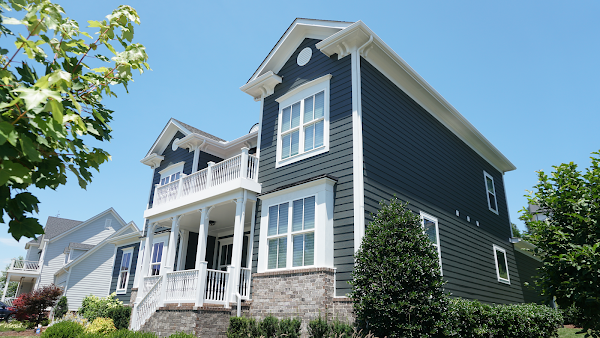 +3 photos
L&L Contractors
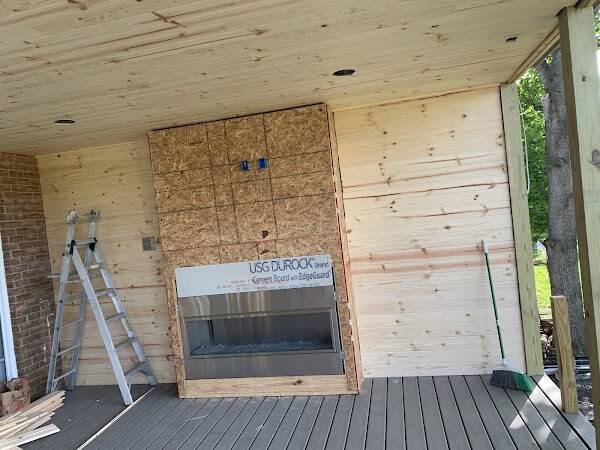
NextGen Home Improvement & Handyman Services
Why: Strongest review activity in the last 90 days.
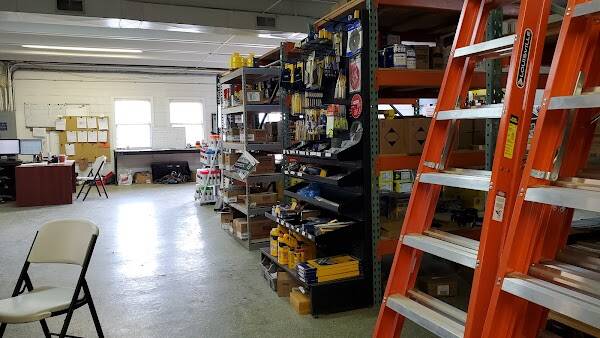
Elder Building Supply Inc
Why: Specialist with a long local track record.
All General Contractors contractors in Tennessee
General Contractors contractors in other Tennessee cities
- Bartlett
- Chattanooga
- Clarksville
- Cordova
- East Chattanooga
- Franklin
- Hendersonville
- Jackson
- Johnson City
- Kingsport
- Knoxville
- Memphis
- Murfreesboro
- New South Memphis

