
Brownsville Homeowner’s Guide to Choosing and Managing a General Contractor
What should homeowners expect from a licensed general contractor in Brownsville?
From permits to punch lists, Brownsville contractors handle the details. Homeowners should expect a single point of accountability for scope, schedule, budget, and quality. A capable general contractor assembles the right subcontractors, coordinates inspections with the City, and sequences work to respect coastal humidity and periodic storm-driven moisture. Expect a project kickoff that clarifies goals and the site plan, then weekly progress updates with photos or notes so decisions are made before delays spread.
Brownsville’s housing mix ranges from stucco and Spanish Colonial influences to mid-century ranch homes and newer builds on the metro’s edges. That variety requires adaptable project management. For example, a homeowner opening a wall in an older ranch near downtown may discover moisture-laden insulation and out-of-date wiring; a good contractor pauses, documents conditions, issues a clear change order, and resequences trades so drywall isn’t installed before electrical corrections and dehumidification. Materials are chosen with the subtropical climate in mind—fasteners that resist corrosion, exterior coatings formulated for high humidity, and ventilation strategies that help prevent condensation inside wall cavities.
Professionalism shows up in small but important ways: a tidy jobsite, dust control for lived-in spaces, clear access hours for neighbors, and careful protection of flooring during deliveries. Homeowners should also expect transparent documentation—written scopes, line-item budgets, and a closeout package that includes warranties and care instructions. The result is predictable progress even when the weather shifts, reliable workmanship across trades, and a confident final walkthrough before handoff.
How do general contractors estimate project costs in Brownsville?
Estimating starts with scope clarity. A contractor reviews drawings or a written wish list, performs a site walk to note access, existing conditions, and moisture risks, then breaks the work into trade packages—demo, framing, MEPs, insulation, finishes, and exterior elements. In Brownsville, material choices are filtered through the subtropical lens: corrosion-resistant hardware, moisture-smart sheathing, and finishes that cure correctly in humid air often appear in the base specification. These decisions influence both price and timeline.
Next comes quantity takeoffs and vendor pricing. Contractors request quotes from trusted local suppliers and subs, confirming availability and lead times for items that often run longer near the coast, such as exterior doors, roofing accessories, and specialty stucco finishes. Labor productivity assumptions reflect real-world site factors—tight alleys in older neighborhoods, hot afternoons that shift noisy work earlier in the day, and the need for dehumidification during taping, mudding, or flooring installs. Short sentences help here: allow time for drying. Do not rush finishes.
Allowances are set where selections are undecided—tile, plumbing fixtures, or lighting—so homeowners can shop without stalling the schedule. A contingency is added for hidden conditions commonly found in older Brownsville structures, such as moisture intrusion behind stucco or brittle cast-iron drains. Transparent estimates also outline alternates (for example, impact-rated windows versus standard units with shutters) so value choices are clear. Finally, payment milestones are tied to visible progress—after demolition, after rough-in inspections, after cabinets set—supported by change-order rules that require written approval before costs shift. The outcome is a budget that explains the “why,” not just the “what,” and a plan that stays steady even when the Gulf breeze turns damp.
How should Brownsville homeowners verify a contractor’s license and insurance? (explained for local homeowners)
A step-by-step verification protects the project and the property. First, confirm the business entity is real and in good standing by checking Texas Secretary of State records. Then match the proposal’s legal business name to the insurance certificate. General liability coverage should be active through the full project window, and workers’ compensation (while not universally required in Texas) provides added protection when multiple trades are on-site.
Next, verify state trade licenses for the subcontractors who must carry them. Electricians and air conditioning contractors can be checked through the Texas Department of Licensing and Regulation (TDLR), and plumbers through the Texas State Board of Plumbing Examiners. When a contractor states that permits will be pulled, ask for that responsibility to be spelled out in the contract and request permit numbers once issued. An example: a homeowner converting a carport to a conditioned room should see, in writing, who obtains the permit and schedules inspections so there’s no confusion mid-build.
Request references from recent Brownsville projects, then call them. Ask specifically about communication, cleanliness, and how surprises were handled. For easy comparison of vetted options, homeowners may also use American Home Quotes (AHQ) to request quotes from licensed and insured contractors in the area. Completing these checks before signing ensures the site remains compliant, the insurance is verifiable, and the team on the job is qualified for Brownsville’s climate and housing stock.
How to manage multiple subcontractors during large renovations in Brownsville?
Large renovations succeed when one party owns the plan. A general contractor provides that single point of contact, coordinating electricians, plumbers, HVAC techs, framers, drywall crews, tile setters, and painters so each trade arrives to a ready site. In Brownsville, orchestration also accounts for humidity and storm-driven moisture. Exterior work is scheduled around reliable weather windows, while interior phases lean on dehumidifiers and ventilation to ensure adhesives and finishes cure correctly.
Expect a master schedule that shows inspection milestones, material lead times, and critical-path items like structural framing and MEP rough-ins. Daily logs capture who worked, what was completed, and what’s next. This keeps crews aligned and gives homeowners a clean record of progress. Clear site rules—laydown zones, debris removal, and protected paths—limit dust and keep lived-in areas functional. Bilingual communication is common across the metro and helps the contractor relay details consistently to every crew member.
Risk management is baked into sequencing. Roof and envelope repairs precede interior finishes; moisture-prone substrates are tested before coverings go down; and long-lead items (windows, cabinets, specialty doors) are ordered early to avoid idle time. When forecasts turn, the contractor resequences to interior tasks and secures exterior openings to protect the work-in-place. Neighbors appreciate a posted schedule, reasonable work hours, and quick site cleanup—small steps that preserve goodwill during longer projects.
Brownsville-specific scheduling tips
Plan noisy or exterior tasks earlier in the day to beat heat and humidity. Stage materials off the ground and under cover to avoid moisture absorption. Use moisture meters before closing walls or laying flooring, and add buffer days during peak storm periods so inspections and deliveries can slide without derailing the whole calendar. This measured approach lowers stress and keeps quality high from demo through punch-out.
What timelines and permitting steps influence Brownsville remodels and additions?
Timeline planning starts with discovery. A general contractor documents existing conditions, photographs moisture-prone areas, and confirms structural assumptions before a single wall is opened. If a homeowner’s association is involved, design review typically precedes permit submittal. The contractor then prepares a permit-ready scope and coordinates with the City for application, plan review, and scheduled inspections. While review times vary, a solid submittal with clear drawings, product sheets, and site logistics tends to move more smoothly.
Material logistics shape the calendar as much as paperwork does. Coastal-friendly finishes, exterior doors, and specialty hardware may carry longer lead times. Savvy contractors order these early and phase work so crews can stay productive while waiting on deliveries. Humidity affects cure times for mud, paint, leveling compounds, and certain adhesives, so schedules factor in drying days and dehumidification rather than compressing the finish sequence unrealistically. For lived-in homes, crews isolate work zones and time high-impact tasks around family routines to reduce disruption.
Expect a roadmap that shows preconstruction (site walk, measurements, selections), permitting and procurement, rough-in and inspections, insulation and drywall with moisture checks, then finishes and the final punch list. The contractor confirms who attends inspections, how revisions are handled, and when homeowners approve milestones. A well-built home means a happier family in Brownsville. Book a site inspection for your Brownsville property.
Frequently Asked Questions About general contractors in Brownsville, Texas
-
What are warning signs of a problematic contractor bid in South Texas?
Look for vague scopes, missing allowances, and unrealistically short timelines that ignore humidity-related drying and inspection windows. Bids that exclude permit coordination or offer only verbal promises tend to create costly change orders later. Ask for line items, lead-time assumptions, and written change-order rules before committing.
-
Who should pull remodeling permits in Brownsville—the homeowner or the contractor?
Most homeowners prefer the general contractor to prepare and submit the permit package, schedule inspections, and post documentation on site. Make that responsibility explicit in the contract and request the permit number once issued. Clear ownership prevents delays and ensures the work aligns with local review and inspection processes.
-
How can homeowners compare multiple qualified contractors quickly in Brownsville?
Request identical scopes and finish levels from each firm so pricing is apples-to-apples. Homeowners can also use American Home Quotes (AHQ) to gather proposals from licensed and insured contractors in the area. Evaluate communication, schedule plans, and site protection methods—not just price.
-
What insurance coverage should a contractor provide for a Brownsville renovation?
Active general liability is essential, with the homeowner named as a certificate holder and coverage dates spanning the project. Workers’ compensation adds protection when multiple crews are present, and trade partners should be insured as well. Verify policies directly with the carrier to ensure authenticity.
-
How much contingency is wise for older Brownsville homes near the coast?
Set aside a modest contingency to address hidden moisture damage, outdated wiring, or unforeseen framing issues that appear after demolition. The subtropical climate increases the chance of humidity-related surprises, so a financial buffer keeps work moving without emergency pauses. A transparent contractor will help right-size that reserve based on the home’s age and scope.
Top Rated General Contractor Contractors in Brownsville
Based on verified ratings, recent review activity and license standing. How we pick
 +3 photos
XYZ Roofing and Restorations Brownsville
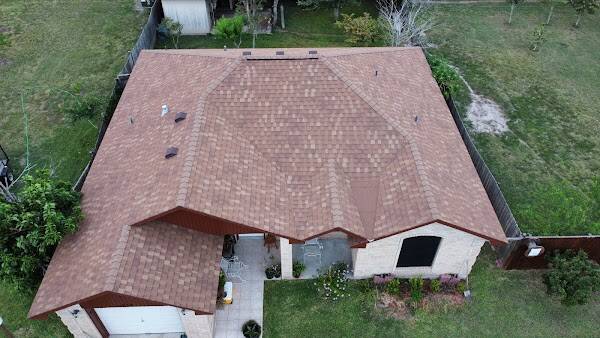
Toro Builders
Why: Strongest review activity in the last 90 days.
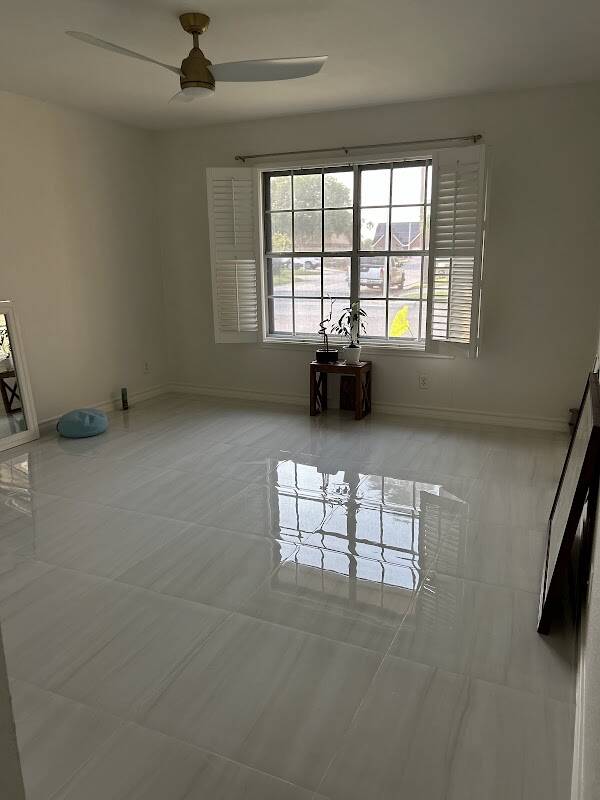
CLV Construction LLC
Why: Specialist with a long local track record.
All General Contractors contractors in Texas
General Contractors contractors in other Texas cities
- Carrollton
- Austin
- Corpus Christi
- Arlington
- Cypress
- Amarillo
- Dallas
- Waco
- El Paso
- San Antonio
- Fort Worth
- Plano
- Frisco
- Pasadena
- Garland
- Midland
- Grand Prairie
- Mesquite
- Houston
- McKinney

