
Houston Homeowner’s Guide to Hiring and Working with General Contractors
From kitchen remodels to new builds, Houston contractors handle it all. In a city that stretches across roughly 640 square miles and spans multiple counties, the right builder helps homeowners navigate neighborhood quirks, flood-prone parcels, and coastal humidity while keeping projects on schedule.
Which hurricane-resistant building codes apply in Houston?
Houston sits near the Gulf of Mexico, so local permitting emphasizes wind resistance, water management, and safe structural connections. While specific code editions change over time, homeowners can expect their contractor to design and build for uplift resistance at the roof, continuous load paths from rafters to foundation, and robust wall bracing. That often translates into roof-to-wall connectors (clips or straps), reinforced soffits and eaves, securely fastened roof decks, and attention to large openings like garage doors that can be pressure points during storms.
Permits are generally required for structural changes, most roofing replacements, window and door swaps, and mechanical, electrical, and plumbing work. Within Houston’s city limits, the City of Houston reviews plans and inspects at key milestones—typically foundation, framing, rough-in for systems, and finals—so contractors coordinate those inspections alongside the build schedule. Because Houston’s boundaries extend into Harris, Fort Bend, and Montgomery counties, homeowners in fringe areas should confirm whether city or county processes apply at their address.
Homes built decades ago may predate modern storm-focused standards, so upgrades during a renovation can significantly improve resilience. Think strengthened roof assemblies, secondary water barriers under shingles, and better anchorage for porches and patio covers. If a property sits near bayous or low-lying terrain, the contractor may also recommend drainage improvements to keep wind-driven rain and standing water away from the slab. Unpermitted structural work can jeopardize insurance claims and delay disaster assistance, so confirming the correct permit path before demolition begins is essential.
What are the ways to to restore and rebuild after flooding events in Houston?
Effective flood recovery in Houston starts with safety and documentation, followed by thorough dry-out and only then rebuilding. A reputable contractor will help secure utilities, photograph and inventory damage for insurers, and remove wet materials quickly—usually drywall, insulation, carpet, and lower cabinets—to prevent microbial growth. Dehumidification and air movement continue until structural moisture readings return to acceptable levels; skipping this step risks future odors and decay inside walls.
From there, selective structural repairs and system replacements come into play. Electrical components exposed to floodwater often require replacement, and HVAC equipment and ductwork may need evaluation or upgrades. Contractors can also incorporate mitigation while rebuilding—raising outlets, choosing flood-tolerant finishes on first floors, improving site grading, adding sump or backwater protections, and rethinking landscaping that traps water against the house. However, aggressive mitigation features can add cost and extend timelines, so a balanced plan should weigh risk reduction against budget and daily living needs.
In city limits, permits are typically required for mechanical, electrical, plumbing, and any structural repair, and inspections verify safe restoration. Expect a clear scope of work, a drying log or moisture reports, and line-item estimates that distinguish emergency work from permanent repairs. A good partner will also time the rebuild to Houston’s micro-conditions—coastal humidity and storm-driven moisture—by sequencing materials and finishes so they cure and perform as intended.
Which moisture-resistant materials reduce post-storm damage in Houston homes?
In Houston’s coastal humidity, materials that shed water, resist swelling, and dry quickly reduce long-term damage. For walls, moisture-resistant gypsum boards and cement backer boards outperform paper-faced drywall in damp zones. On floors, porcelain tile, sealed concrete, and certain rigid-core vinyl products are less prone to swelling than traditional hardwoods. Exterior details benefit from composite or fiberglass doors, PVC or fiber-cement trim, and stainless or coated fasteners that hold up to humid air and wind-driven rain.
Roof assemblies matter as well: a high-quality underlayment and well-fastened decking can help keep water out if shingles lift during gusts. For insulation, closed-cell foam can add racking strength and limit moisture absorption in select areas, while mineral wool retains thermal performance even when humidity rises. Well-detailed flashing at windows, doors, and penetrations, plus properly lapped housewraps, moves bulk water out and away from cavities. However, some moisture-tough materials cost more upfront or require installers with specific training, so contractor experience with these products often determines long-term value.
Quick pros and cons homeowners often weigh in Houston’s climate: Pros: improved durability, fewer callbacks after storms, better indoor air quality. Cons: higher material costs, longer lead times during regional demand spikes, and stricter installation requirements that can narrow contractor choices.
In Houston, how do general contractors estimate project costs?
Cost estimating in Houston starts with scope clarity, site conditions, and realistic scheduling. With a metro area that large and weather that can shift quickly, the best contractors build contingency into both time and budget while aligning selections to market availability.
Scope and design: Estimators translate drawings and a written scope into quantities and labor hours, then apply allowances for finishes if final selections are pending. Clear specifications for cabinets, windows, roofing, and fixtures prevent surprise costs and keep bids apples-to-apples.
Site and permitting: Access, drainage, and utility locations affect labor and equipment choices. Inside city limits, permit reviews and required inspections must be sequenced into the calendar; in fringe areas, jurisdiction checks avoid delays. Projects touching flood-prone parcels may require additional documentation, which the estimator accounts for in fees and time.
Market and schedule: Labor availability can tighten after regional storms, and materials may face lead-time swings. Estimators include contingencies and may propose phased work to reduce risk, such as ordering long-lead items early or setting escalation clauses that are fair to both homeowner and contractor.
Which permits and inspections should Houston homeowners expect during a renovation?
Most Houston renovations involve a combination of permits—commonly structural/building, electrical, plumbing, mechanical, and often roofing or window/door replacement. Inside city limits, the City of Houston typically reviews plans for changes to structure, life-safety systems, and utility work, and then inspects at milestones like foundation, framing, rough-in, and final. Homes near bayous or low-lying areas may trigger additional flood-related reviews, so contractors usually verify the property’s status early to set expectations.
Homeowners should anticipate documented scopes, plan sets when structure changes, and scheduled inspections that match the construction sequence. Where a property sits near the edges of Houston’s vast footprint, confirming whether city or county requirements apply helps avoid rework. A contractor who coordinates early with the permitting office can reduce idle days on site and keep trades moving in order. Clear scopes, permits, and scheduling protect budgets and timelines. Get a second opinion on your renovation in Houston.
Frequently Asked Questions About general contractors in Houston, Texas
-
Do general contractors in Houston need specific insurance before starting work on a home?
Reputable Houston contractors carry general liability and worker’s compensation or equivalent coverage appropriate to their crews. Homeowners can request certificates naming the property as additionally insured for the project dates. Verifying coverage before demolition protects both the household and the schedule.
-
How can homeowners prevent surprise change orders during a Houston remodel?
Detailed scopes, complete drawings, and written allowances for undecided finishes prevent gaps that lead to change orders. Including a contingency and documenting selections by brand, model, and lead time also reduces mid-project substitutions. Clear communication about site conditions discovered during demo helps align expectations.
-
What time of year is best to start a renovation in Houston’s climate?
Scheduling around peak storm season and high humidity can help finishes cure correctly and reduce weather delays. Many contractors front-load exterior work during drier stretches and reserve interior phases for periods of higher rainfall. Flexible timelines with weather buffers are a smart approach year-round.
-
How does Houston’s humidity affect material choices for kitchens and baths?
Persistent humidity favors moisture-resistant drywall, cement backer board, robust ventilation, and sealed or non-porous finishes. Cabinets with durable finishes and hardware resistant to corrosion hold up better over time. Proper air movement and dehumidification protect joints, adhesives, and sealants.
-
What should homeowners ask when interviewing Houston contractors for flood repairs?
Ask about moisture mapping, drying documentation, and experience sequencing rebuilds after mitigation. Request references for similar projects and confirm permitting and inspection plans. Clarify how the contractor coordinates with insurers without compromising code compliance.
Top Rated General Contractor Contractors in Houston
Based on verified ratings, recent review activity and license standing. How we pick
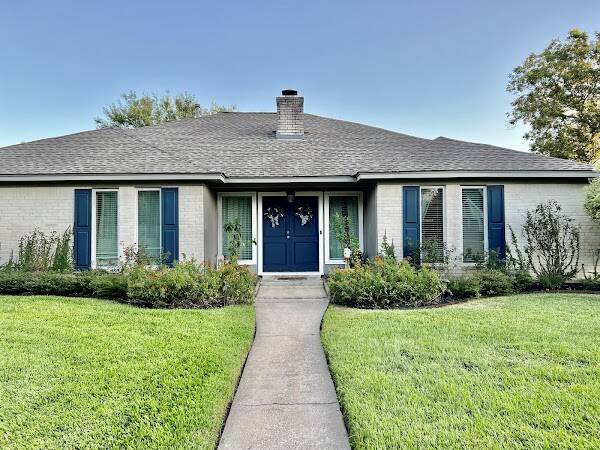 +3 photos
Cartonah Construction
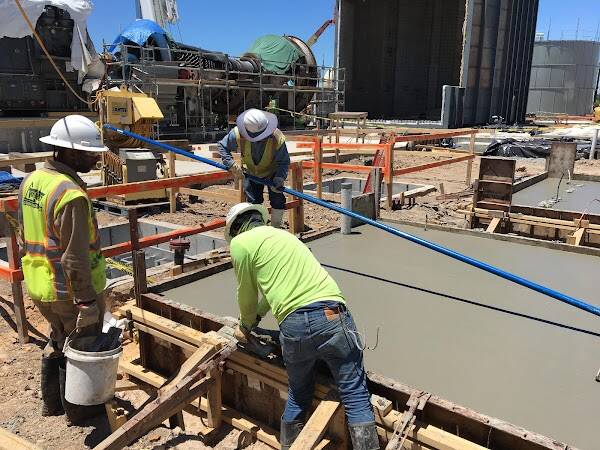
Procon Builders & Contractors Houston
Why: Strongest review activity in the last 90 days.
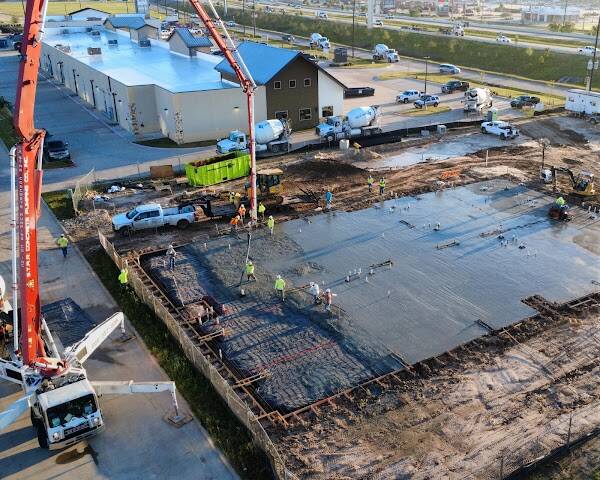
Right Choice Construction
Why: Specialist with a long local track record.
All General Contractors contractors in Texas
General Contractors contractors in other Texas cities
- Irving
- Grand Prairie
- Killeen
- Garland
- Laredo
- Frisco
- Lubbock
- Fort Worth
- McAllen
- El Paso
- McKinney
- Dallas
- Mesquite
- Cypress
- Midland
- Corpus Christi
- Pasadena
- Carrollton
- Plano
- Brownsville

